
Livraison le jour même ou le lendemain

Qualité garantie

Débloquez vos offres de bienvenue: Livraison GRATUITE | Jusqu'à -80 % | 30 jours d'essai gratuits à JoyPlus
Téléchargez l'application
From China to Vietnam to Thailand, Asian vermicelli is a culinary staple. But once you're in the aisle, the choice can be overwhelming: rice vermicelli, mung bean vermicelli, thin, thick... Each variety has its own unique texture and ideal use. This guide is here to help you make sense of it all and choose the perfect vermicelli to elevate your dishes, whether you're dreaming of a perfect bo bun, crispy spring rolls, or a comforting soup.
To make the right choice, there are three key points to consider: the base ingredient, the culinary use, and the package size.
This is what determines the texture, taste, and appearance of the vermicelli once cooked.
The diameter and length of the vermicelli are more than just an aesthetic detail.
These Chinese noodles and other vermicelli come in all sorts of sizes. Packages from 200?g to 500?g are perfect for typical family use. For large gatherings, Asian cuisine enthusiasts, or professionals, the value-sized 1?kg or 2?kg formats are a much smarter, more cost-effective option.
Our editors have vetted several top products to bring you this curated selection, based on ingredients, format, and the most common culinary uses.
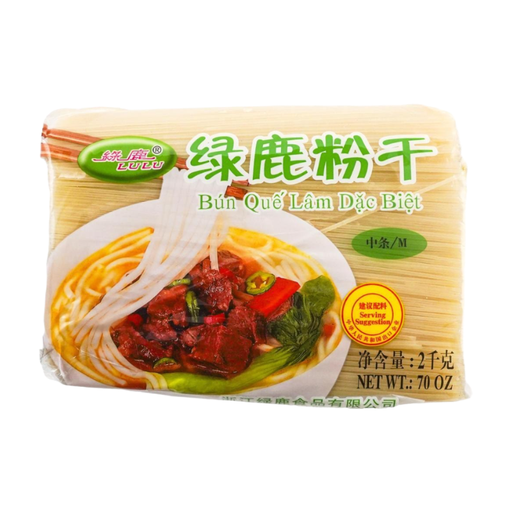
Highlights: What sets it apart? An ultra-simple ingredient list and unbeatable versatility. Made with 85% rice, this vermicelli offers a neutral flavour and delicate texture, typical of traditional rice noodles. Its 2?kg format makes it an excellent, budget-friendly choice for everyday cooking.
Its Strengths:
Who is it for? Families, frequent consumers of Asian cuisine, and restaurant professionals looking for a reliable and economical base product.
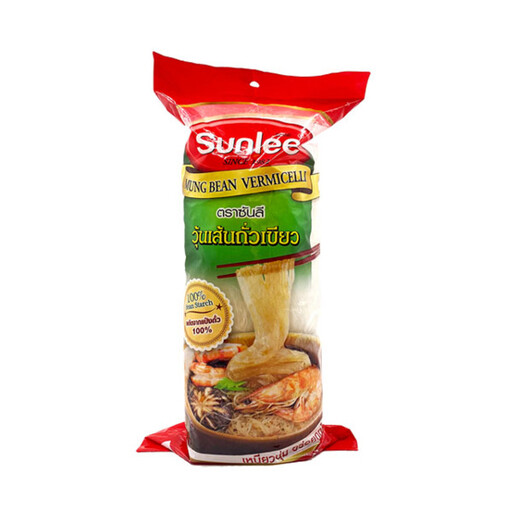
Highlights: Their secret? Purist ingredients: 100% mung bean starch. This gives them a transparent, smooth, and particularly elastic texture (that sought-after springy effect) highly prized in hot pots or "glass noodle" salads.
Its Strengths:
Who is it for? Fans of Chinese hot pot, woks, and "glass noodle" salads who want to replicate that signature texture.
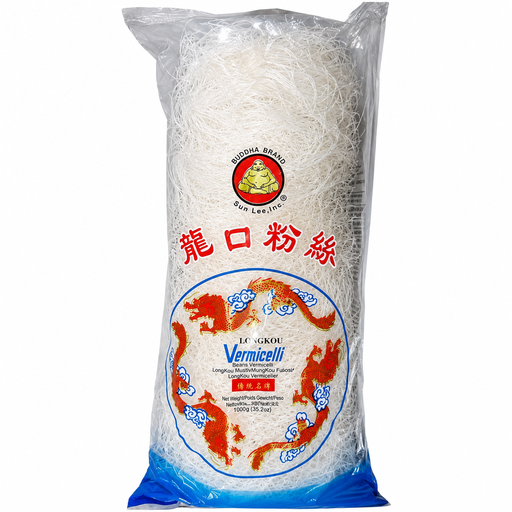
Highlights: Longkou vermicelli is a benchmark for quality. This version from the BUDDHA brand uses a blend of mung bean, pea, and corn starches. This winning trio delivers a smooth, clear texture that holds up exceptionally well during cooking, making it a reliable go-to in the kitchen. The 1?kg format is the perfect middle ground between home use and professional needs.
Its Strengths:
Who is it for? Those looking for an all-rounder vermicelli that is reliable and can adapt to a multitude of Asian recipes.
This selection is just a taste. The world of Asian noodles is a universe in itself, with its egg noodles, wheat noodles (ramen, udon...), and many other regional treasures.
To discover a wider range of rice noodles, noodles, and other Asian grocery products, feel free to browse our complete category.
Discover all our Asian pasta and noodles
This is the most common point of confusion! Rice vermicelli is made from rice flour; it's white, opaque, and soft after cooking. What is often incorrectly called "soy vermicelli" is actually mung bean vermicelli, made from the starch of this legume. It becomes transparent and elastic when cooked. Their uses are therefore quite distinct: rice for softness (bo bun, soups), and mung bean for elasticity (woks, fillings).
In theory, yes. Most vermicelli made from rice or mung bean starch are naturally gluten-free vermicelli. However, the key is to always check the ingredient list on the packaging. Some products may contain starch blends (like wheat starch) or be manufactured in facilities where cross-contamination with gluten is possible.
The good news is that dried vermicelli has a very long shelf life. Once the package is opened, it's best to transfer the noodles to an airtight container (like a plastic box or glass jar). Store them in a cool, dry place away from direct sunlight to preserve their texture and protect them from moisture.