
Livraison le jour même ou le lendemain

Qualité garantie

Débloquez vos offres de bienvenue: Livraison GRATUITE | Jusqu'à -80 % | 30 jours d'essai gratuits à JoyPlus
Téléchargez l'application
Standing in the Asian noodle aisle, the sheer number of choices can quickly become overwhelming. Rice vermicelli, mung bean vermicelli, sweet potato vermicelli... each package promises an authentic experience, but which one is truly meant for your ph?, your Chinese hot pot, or your fresh salad? The texture, cooking time, and even the nutritional value change drastically from one type to another.
This guide is here to shed some light. As a product recommendation expert at Joybuy, my mission is to decipher this abundant aisle for you. Whether you're a seasoned chef or just a curious foodie, you'll soon know how to make the right choice.
To find the perfect vermicelli, you only need three criteria: the base ingredient, the culinary use, and your dietary needs.
The raw material determines almost everything. Here are the four most common types:
The choice will depend directly on your recipe:
Good news for those with intolerances: most gluten-free Asian noodles are made from rice, mung bean, sweet potato, or konjac. They are an excellent alternative to traditional wheat pasta. A word of advice: always check the label to rule out any risk of cross-contamination, especially if you have celiac disease.
Watching your weight or following a ketogenic diet? Konjac vermicelli are made for you, with their negligible calorie count.
We have selected a few gems for you, available on Joybuy, each meeting a specific need.
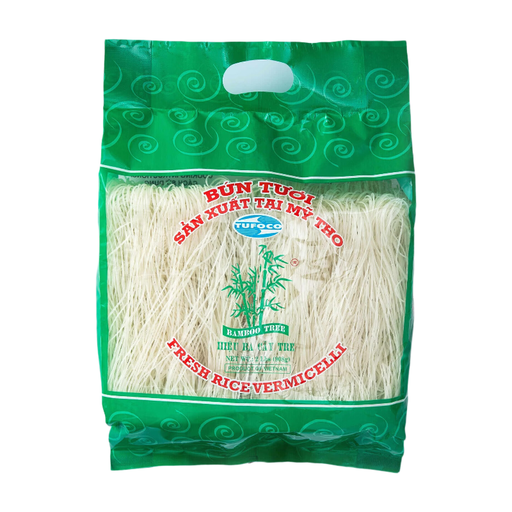
Why this product stands out A timeless classic of Vietnamese cuisine. Made from rice flour, its texture is both smooth and firm. It captures flavours without ever becoming mushy. The generous size is as practical as it is economical.
Advantages
Who is it for? For families and fans of Vietnamese cuisine who regularly make ph? and bún ch?. A reliable and budget-friendly staple to always have in your pantry.
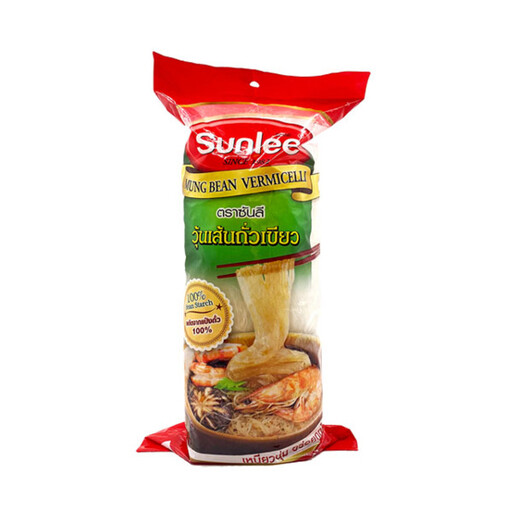
Why this product stands out 100% mung bean starch, and nothing else. That's the secret to these vermicelli achieving that famous "glass" texture—translucent and elastic. Naturally gluten-free and without any additives, it's a pure and authentic product.
Advantages
Who is it for? For those who love the light and airy texture of "glass noodles," whether in a hot pot, a soup, or a Thai salad. It's also the worry-free choice for people with gluten intolerance.
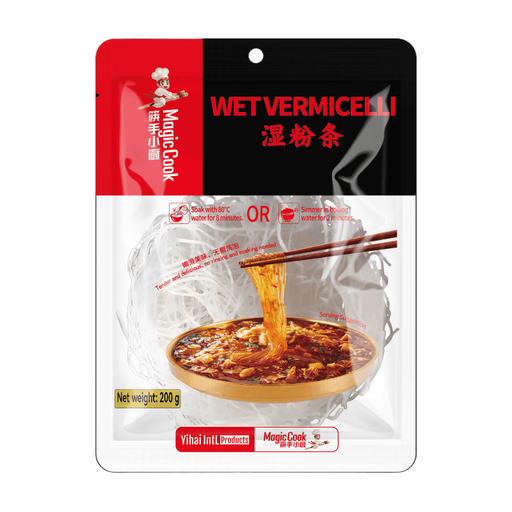
Why this product stands out Haidilao, the Chinese hot pot giant, applies its expertise to these fresh, pre-hydrated sweet potato vermicelli. Their secret? Vacuum-sealed packaging that makes them ready to use after a simple rinse. A precious time-saver in the kitchen.
Advantages
Who is it for? Ideal for Chinese hot pot fans who want to recreate the restaurant experience at home, with added simplicity. They also work wonders in stews and braised dishes.
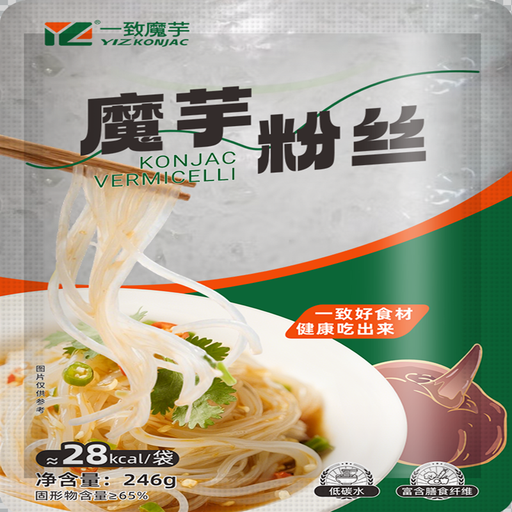
Why this product stands out Their star ingredient: konjac powder, famous for its near-zero calorie and carbohydrate content. The texture is firm, slightly gelatinous, and their neutral taste is a perfect blank canvas for soaking up the flavours of your dish.
Advantages
Who is it for? For anyone on a diet (low-carb, keto, low-calorie) who refuses to sacrifice the pleasure of a good noodle dish. The solution to indulge without the guilt.
If our selection doesn't cover all your needs or you're curious to discover other varieties, like vegetable-based vermicelli, take a look at our full range.
Discover our full range of vegetable vermicelli
It's all a matter of texture and appearance. Rice vermicelli are white and tender, while mung bean vermicelli become translucent, fine, and more elastic when cooked. The former are the kings of ph?, while the latter excel in clear broths, salads, and hot pots.
Yes, almost all vermicelli made from rice, mung bean, sweet potato, or konjac are naturally gluten-free Asian noodles. As a precaution, still check the ingredient list on the packaging. Some products may be made in facilities that also process wheat, posing a risk of cross-contamination for the most sensitive individuals.
The secret to vermicelli that never stick? Rinse them generously with cold water right after draining. This simple step instantly stops the cooking process and removes the excess starch that makes them sticky. For a salad, a drizzle of sesame oil after rinsing is the perfect finishing touch to keep them well-separated.
By our product expert at Joybuy