
Livraison le jour même ou le lendemain

Qualité garantie

Débloquez vos offres de bienvenue: Livraison GRATUITE | Jusqu'à -80 % | 30 jours d'essai gratuits à JoyPlus
Téléchargez l'application
It's easy to feel a little lost in the Asian noodle aisle: rice vermicelli, sweet potato noodles, mung bean threads... The options are endless, each with its own unique texture and ideal use. How do you know which ones to choose for the perfect ph? soup, crispy spring rolls, or your next stir-fry?
This guide is here to demystify the world of Asian noodles. We'll give you the keys to choosing the right package for your recipes and culinary goals.
By Joybuy, your shopping guide.
Making the right choice comes down to a few key points. Here are the three criteria to consider before you check out.
The composition of vermicelli directly influences how it holds up during cooking, its mouthfeel, and its flavour.
Each type of vermicelli shines in different culinary applications.
Good news for those with gluten intolerance: most of these vermicelli are for you! Made from rice, mung bean, or sweet potato, they are naturally gluten-free noodles. As a precaution, always check the label to rule out any risk of cross-contamination, especially in cases of severe intolerance.
Here are a few of our favourite products, each suited for specific culinary needs.
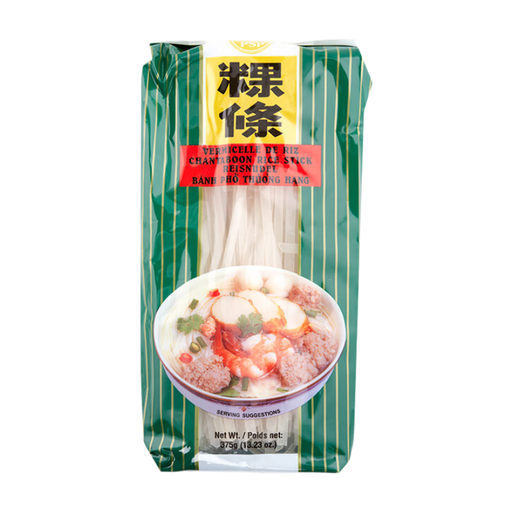
Why we love it?: With 90% rice flour, this vermicelli delivers a light texture and authentic flavour, staying true to tradition. Its medium size makes it incredibly versatile.
Key Features?:
Who is it for?? Anyone looking for a classic, all-purpose rice vermicelli. It's a reliable choice for beginners to Southeast Asian cooking or for perfecting your go-to dishes.
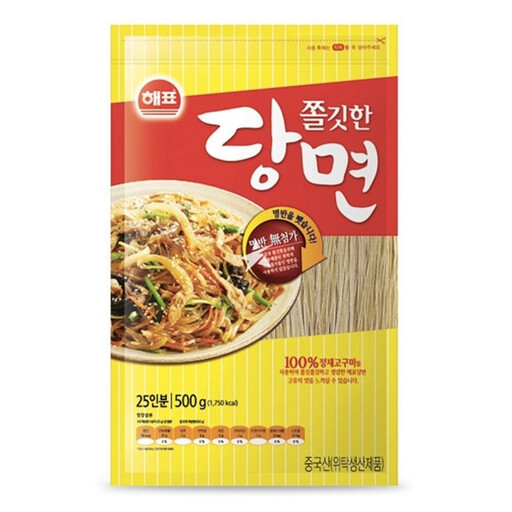
Why we love it?: Made from sweet potato starch, these Korean noodles have that characteristically addictive chewy (springy and soft) texture. It's the star ingredient in the Korean dish Japchae.
Key Features?:
Who is it for?? Fans of Korean cuisine and anyone who loves noodles with a satisfying bite. Ideal for stir-fries, stews, or even a Chinese hot pot.
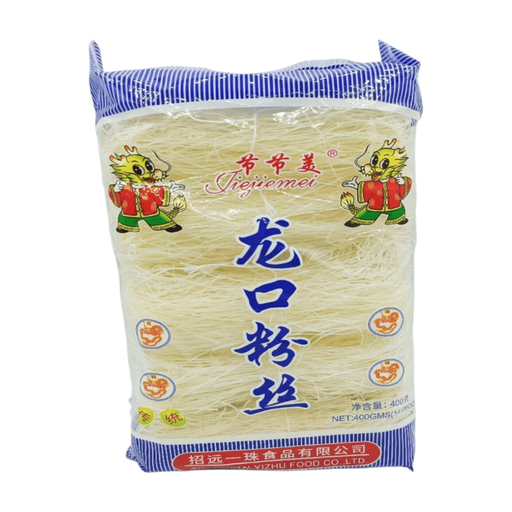
Why we love it?: These glass noodles, made from pea and mung bean starch, become translucent and silky when cooked, while still retaining a slight springy bite.
Key Features?:
Who is it for?? A must-have for hot pots, clear soups, or Asian salads. Their slippery texture and ability to capture flavours make them a valuable ally in the kitchen.

Why we love it?: With an ultra-simple ingredient list (sweet potato and corn starch), these vermicelli noodles guarantee a firm and pleasant chew. Naturally gluten-free and with no additives: a big thumbs-up from us.
Key Features?:
Who is it for?? For those who are health-conscious and looking for a healthy, fat-free option. Also perfect for fans of stews, stir-fries (chao fen), and hot pots, where noodle integrity is non-negotiable.
Vermicelli packages are often sold in family-sized formats. Once opened, how should you store the rest? Proper storage is essential to prevent moisture from getting in and altering their texture.
To keep your dry vermicelli, leftovers, or fresh vegetables for your next stir-fry, nothing beats airtight containers. Take a look at our selection of glass refrigerator storage containers: they're practical and will preserve the freshness of your food for much longer.
It's all in the base ingredient, which completely changes the texture! Rice vermicelli (opaque) is tender and soft, while mung bean vermicelli (the famous "glass noodles") becomes translucent and has a more elastic texture.
The secret to non-sticky vermicelli is to never overcook it. Follow the time indicated on the package, then drain and immediately rinse under cold water. This thermal shock stops the cooking process and removes excess starch. Pro tip: a drizzle of sesame oil will keep them separated if you're not serving them right away.
Rich in carbohydrates, vermicelli is primarily an excellent source of energy. Most types (especially those made from sweet potato or mung bean) are fat-free and serve as a great gluten-free noodle alternative. Of course, as with any pasta, the overall nutritional value of the final dish depends on the ingredients you serve with it.