
Livraison le jour même ou le lendemain

Qualité garantie

Débloquez vos offres de bienvenue: Livraison GRATUITE | Jusqu'à -80 % | 30 jours d'essai gratuits à JoyPlus
Téléchargez l'application
Woks, salads, spring rolls, ph?... Asian vermicelli are everywhere, but which ones should you choose? Standing in the aisle, it's easy to hesitate: rice vermicelli, soy vermicelli (the famous glass noodles), konjac noodles... Each package promises a different texture and use. Don't worry, this guide is here to clear things up and help you find the perfect match to elevate your dishes and suit your dietary needs.
To make the right choice every time, keep these three essential criteria in mind: the base ingredient, the culinary use, and your nutritional goals.
The main ingredient determines the noodle's texture, taste, and how it holds up during cooking.
The ideal type of vermicelli obviously depends on the recipe you have in mind.
When it comes to nutrition, Asian vermicelli have a few tricks up their sleeve.
To put theory into practice, here are three top-tier recommendations, each tailored to a specific need.
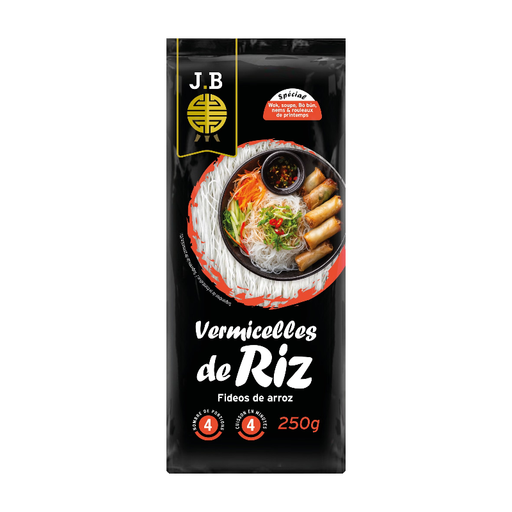
Editor's Take
This is the ultimate classic, the all-rounder of Asian cuisine. Made from 100% rice, these vermicelli guarantee an authentic base for your dishes. Their exceptional fineness is a major asset for the most delicate recipes.
Highlights
Who is it for? For Bò bún or Ph? purists, and anyone looking for an authentic, quick-to-prepare noodle base. It's also the easy choice for homemade spring rolls or a healthy meal on the go.
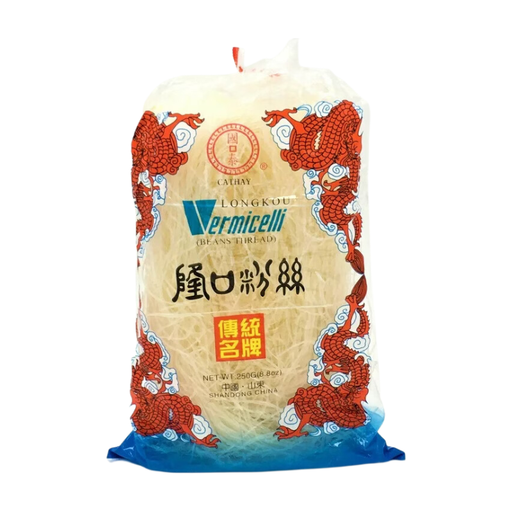
Editor's Take
If you love saucy dishes and woks, these glass noodles are a must-have. Their secret? A mung bean starch base that gives them their signature translucent and elastic texture. During cooking, they soak up sauces without ever falling apart.
Highlights
Who is it for? For fans of slow-cooked dishes and hearty woks. Their superpower? They capture flavours like nothing else, making them the secret ingredient to add a kick and an original texture to any dish.
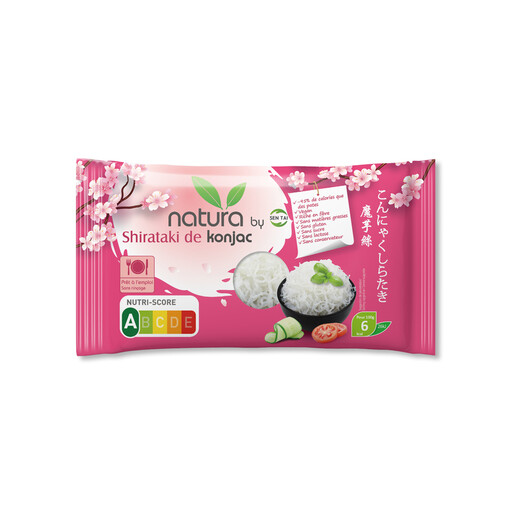
Editor's Take
Here's the miracle solution for noodle lovers on a diet. Konjac shirataki let you create delicious dishes while keeping total control over calories. At just 6 kcal per 100g, it's pure, guilt-free pleasure.
Highlights
Who is it for? For anyone watching their figure, following a low-carb diet, or simply looking to lighten up their meals without sacrificing enjoyment. They are a stunning substitute for traditional pasta in most of your recipes.
Our selection is just a taste. The world of Asian noodles is incredibly rich. To discover other types or brands, especially rice-based ones, feel free to browse our full collection.
? Discover our full range of 250g rice noodles
It all comes down to the ingredient and texture. Rice vermicelli (from rice flour) are soft and opaque. Soy vermicelli, or glass noodles (from mung bean starch), become transparent, glossy, and much more elastic when cooked.
No, but the vast majority are. Those made from rice, mung bean, sweet potato, or konjac are naturally gluten-free. However, be careful with wheat-based noodles like ramen or udon. The rule of thumb: always check the ingredient list on the package.
The secret is a cold shock! Plunge them into a large pot of boiling water. As soon as they're done cooking (usually just a matter of minutes), drain them and immediately rinse them under cold water. This stops the cooking process and removes the starch that makes them stick. To finish, a small drizzle of sesame oil will help keep them separated.
By the Joybuy Product Experts