
Livraison le jour même ou le lendemain

Qualité garantie

Débloquez vos offres de bienvenue: Livraison GRATUITE | Jusqu'à -80 % | 30 jours d'essai gratuits à JoyPlus
Téléchargez l'application
Looking to spice up your pre-dinner drinks and surprise your guests with unique flavours? Forget traditional wines and beers: Asian spirits open the door to a fascinating world of taste, where tradition meets modernity. Whether you're drawn to the finesse of a Japanese whisky, the freshness of a sparkling saké, or the fruity sweetness of a Korean soju, there's something for every palate.
To help you navigate this vast selection, we've broken down the main categories of spirits and handpicked a few gems that perfectly showcase the richness of these alcohols from Asia.
Does the world of Asian spirits seem intimidating? Don't worry. Here are a few key tips to find the perfect bottle for you.
How you plan to enjoy it will largely determine your choice.
Each type of Japanese or Korean spirit has its own unique taste signature.
The alcohol by volume (ABV) is an excellent indicator of the drink's character. A 12% soju will be light and refreshing, while a 40% whisky will offer a more intense and warming experience, inviting a more measured tasting.
To help you dive in, here are three standout bottles that wonderfully illustrate the diversity and quality of Asian spirits.
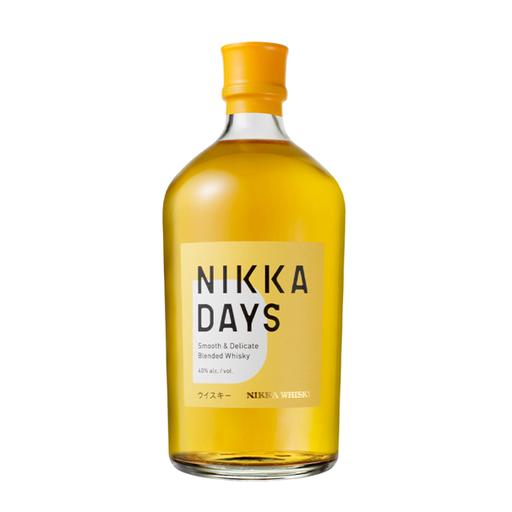
Why it stands out: Nikka Days is an excellent entry point into the world of Japanese whisky. A blend of whiskies from the famous Miyagikyo and Yoichi distilleries, it is a testament to exceptional craftsmanship. Its smoothness and fruity profile make it as approachable for newcomers as it is appreciated by connoisseurs.
Highlights:
Who is it for? For anyone looking for a gentle introduction to Japanese whisky, without immediately diving into overly peated or woody aromas. A high-quality all-rounder, equally at home as an aperitif or a digestif.
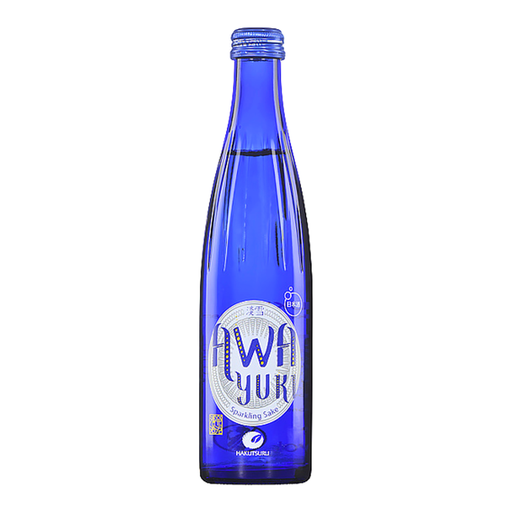
Why it stands out: This sparkling saké breaks the mould. With its very low alcohol content (5.5%) and delicate bubbles, it stands out as a festive and light alternative to champagne or prosecco. The Hakutsuru brewery even developed a special yeast to give it unique citrus aromas.
Highlights:
Who is it for? For anyone looking for an elegant, low-alcohol festive drink. It's the perfect bottle to introduce friends to saké in a fun and approachable way.
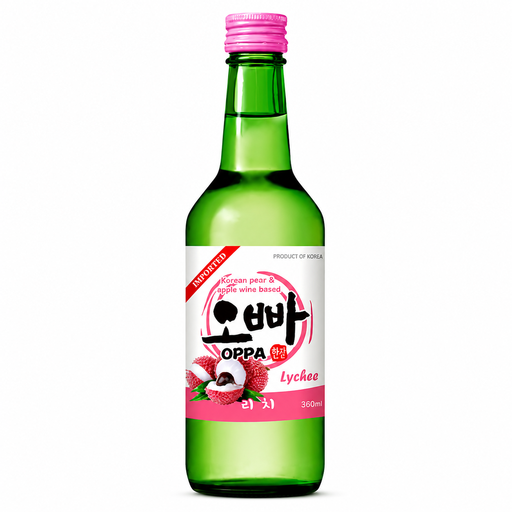
Why it stands out: Flavoured Korean soju is a true cultural phenomenon. This lychee soju version from the Oppa brand is a perfect example. It combines the smoothness of soju with the exotic and floral flavour of lychee for an ultra-approachable and deliciously indulgent result.
Highlights:
Who is it for? For lovers of sweet and fruity flavours. It's the perfect drink for evenings with friends, barbecues, or to balance a spicy Asian dish.
This selection is just a taste. Asian spirits represent a continent of flavours to explore, where every country, region, and producer offers gems worth discovering.
To discover a wider range of whiskies, sakés, sojus, and other specialities, explore our complete selection.
Discover All Our Spirits and Wines
Although they are often confused, their production methods are radically different. Saké is a Japanese alcohol made by fermenting rice (a brewing process, similar to beer), typically with an ABV between 14% and 18%. Korean soju, on the other hand, is a distilled spirit (from rice, sweet potato, etc.), which makes it more akin to vodka. Its popular flavoured versions are lighter, around 12-14% ABV.
There are no absolute rules! To appreciate its full complexity, it's best to taste it neat in a proper glass. A few drops of cool water can help to "open up" the aromas. But the most popular method in Japan is the Highball: a measure of whisky, plenty of ice, and chilled sparkling water. Simple and incredibly effective.
That is indeed the most social and traditional way to drink it in Korea, often accompanying a meal. But you don't have to! Soju, especially its flavoured varieties, is an excellent base for very simple cocktails: mix it with lemonade, fruit juice, or even an energy drink for a modern "Soju Bomb".
By the Joybuy editorial team