
Livraison le jour même ou le lendemain

Qualité garantie

Débloquez vos offres de bienvenue: Livraison GRATUITE | Jusqu'à -80 % | 30 jours d'essai gratuits à JoyPlus
Téléchargez l'application
The world of Asian spirits is fascinating, but it can also be intimidating. Between a robust Baijiu, a crowd-pleasing Soju, and a delicate Sake, it’s easy to get lost and end up with a bottle that doesn’t match your expectations. The result?? You’re left with a spirit that’s too strong, a confusing flavour, or a drink that’s completely wrong for the occasion.
As a product expert at Joybuy, my role is to guide you through this complex landscape. This guide is here to demystify the options and give you the keys to choosing with confidence, whether it's for a meal, a tasting, or a gift for the Mid-Autumn Festival.
To avoid these pitfalls, just keep a few key points in mind. They will act as your compass to find the perfect bottle for your taste and the occasion.
Identifying the alcohol category is fundamental. Here are the main families?:
Distilled Spirits (High in Alcohol)?:
Fermented Beverages (Lower in Alcohol)?:
The alcohol content (often indicated as ABV, Alcohol by Volume) is the most direct indicator of a drink's strength.
To illustrate these differences in a concrete way, here are a few gems from our selection, each tailored to a specific type of enthusiast.
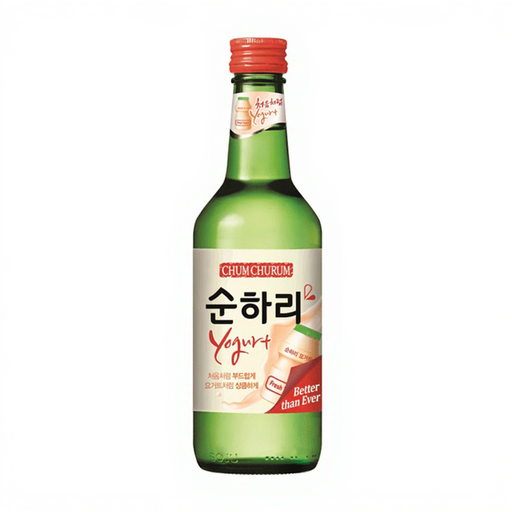
Why we love it : Perfect for a fun and delicious introduction to the world of Korean alcohol. Its sweet and tangy taste, reminiscent of yoghurt drinks, makes it very accessible, even for uninitiated palates. Perfect for an aperitif with friends.
It avoids the "unexpected strength" pitfall. Its low alcohol content and clearly advertised flavour eliminate any risk of a bad surprise. It's a gentle entry point into the world of Asian spirits.
A unique taste and incredible smoothness. Its immense popularity in Korea is a testament to its accessibility. Serve chilled for the best experience.
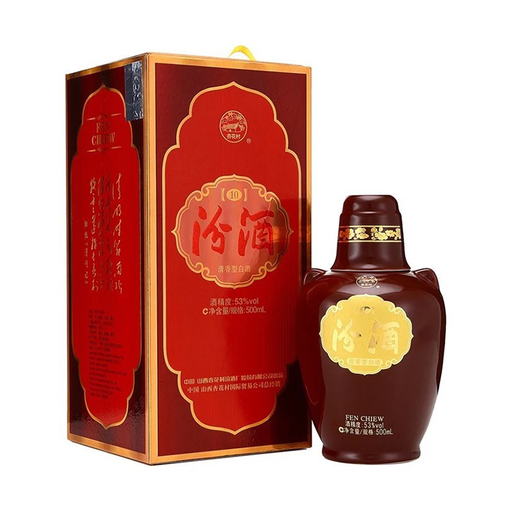
Why we love it : For an authentic and prestigious gift, especially for the Mid-Autumn Festival. Fenjiu is a renowned "light aroma" Baijiu with a thousand-year history. Its elegant bottle and status make it a first-rate choice to mark a special occasion or accompany a banquet.
It avoids the "wrong context" pitfall. This is not an everyday alcohol, but a spirit for tasting and celebration. Its premium positioning is crystal clear, making it a meaningful gift.
A pure and elegant aromatic profile with a very clean finish. It embodies a classic and respected style of Baijiu, while remaining approachable for those new to the category.
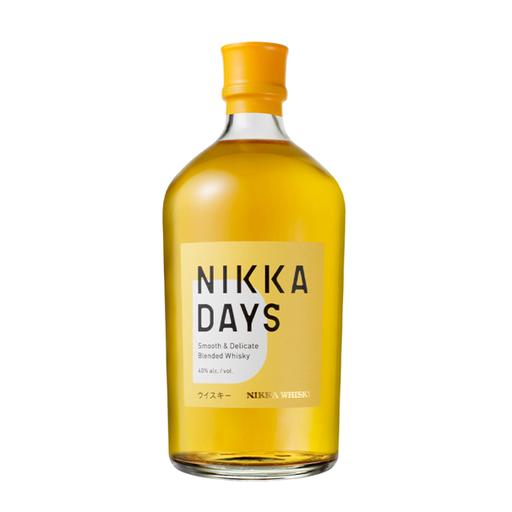
Why we love it : For whisky lovers curious to discover Japanese finesse. Nikka is a benchmark distillery. This fruity and smooth blend is very versatile and enjoyable, whether you are a novice or a connoisseur.
It is rooted in a familiar category (whisky) while offering a new experience. There's no room for confusion : the codes are well-known, but the distinctive Japanese touch makes all the difference.
A superb balance between fruity (pear, citrus) and malty notes. Its versatility is a real plus : it can be enjoyed neat, on the rocks, or in a cocktail.
We have curated a complete selection of products that meet our selection criteria and current regulations.
It all depends on the type of alcohol. High-proof spirits like Baijiu or Japanese Whisky keep for a very long time. Simply reseal the bottle tightly and store it upright, away from light and heat. In contrast, fermented beverages like Sake or Makgeolli are much more fragile. Once opened, they should be kept in the refrigerator and consumed within a few days (for Makgeolli) to a week (for most sakes) before their taste deteriorates.
No, they are two very different drinks. Soju is a distilled Korean alcohol, making it a spirit. Its taste is generally more neutral, and its alcohol content varies from 16% to 25%. Sake, on the other hand, is a Japanese "rice wine," obtained through fermentation (like grape wine). It is not distilled, its alcohol content is closer to that of wine (around 15%), and its aromatic palette is much broader and more complex.
It's best to use a dedicated cooking wine, like Chinese rice wine from Shaoxing. These wines are specifically designed for cooking?: they often contain salt and spices to enhance the flavour of dishes, tenderise meats, and neutralise certain odours. Using a drinking-grade sake or another rice alcohol meant for consumption would not only be more expensive, but the taste result would not be what you expect.