
Livraison le jour même ou le lendemain

Qualité garantie

Débloquez vos offres de bienvenue: Livraison GRATUITE | Jusqu'à -80 % | 30 jours d'essai gratuits à JoyPlus
Téléchargez l'application
Eager to dive into the world of Asian spirits but feeling a bit lost in the sea of bottles?? Between Korean soju, powerful Chinese baijiu, and sweet Japanese umeshu, it's hard to know where to begin. The selection is vast, and the labels are often enigmatic.
Don't worry, this guide is here to help you navigate it all. We'll break down the flavours and traditions so you can choose the perfect Asian spirit for your palate and for any occasion: pre-dinner drinks with friends, a formal dinner, or even creating original cocktails.
Before we get to our top picks, here are a few key pointers to help you make the right choice.
Asian spirits are classified into several major families, each with its own unique production method and aromatic profile.
The occasion is arguably the best criterion to guide your decision.
The strength of an Asian spirit can vary dramatically. A flavoured soju typically has an alcohol by volume (ABV) of 12% to 17%, making it very approachable. At the other end of the spectrum, a baijiu like Moutai can reach up to 53%, putting it in the same league as fine whiskies or cognacs. Always check the label to avoid any surprises.
We have chosen three iconic bottles, each representing the richness of Asian flavours and selected for its authenticity.
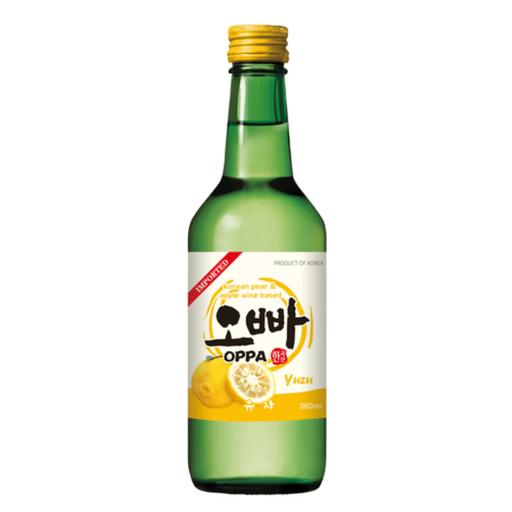
What sets it apart
This soju stands out with its apple and pear alcohol base, which gives it a natural sweetness. The infusion of yuzu, a citrus fruit with a highly recognisable aroma, adds a vibrancy that perfectly balances the spirit. At 12% ABV, it's the ideal entry point into the world of Korean alcohol.
Highlights
Who is it for?
For lovers of fruity and zesty flavours, fans of Korean culture looking to recreate the atmosphere of a Seoul barbecue, and, of course, budding mixologists in search of an original and light cocktail base.
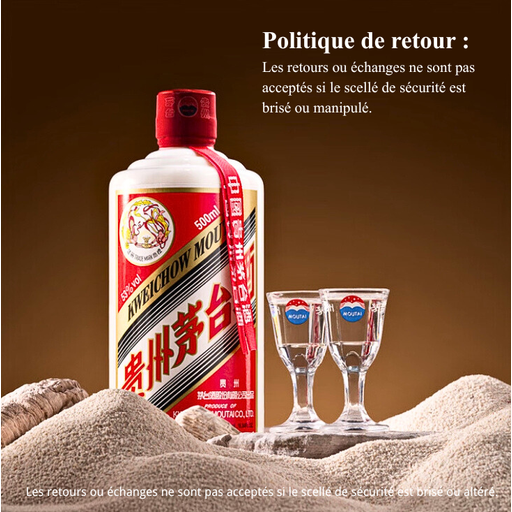
What sets it apart
Moutai is much more than a spirit; it's a true institution in China, served at the most prestigious state banquets. This baijiu is renowned for its unique aromatic profile, the famous "sauce fragrance" (jiangxiang). Made from sorghum and wheat, it undergoes an extremely complex fermentation and distillation process that spans several years.
Highlights
Who is it for?
For spirit connoisseurs and adventurous palates who aren't afraid of powerful and complex flavours. It's also the perfect choice to mark a special occasion or for anyone curious to explore the quintessence of Chinese alcohol.
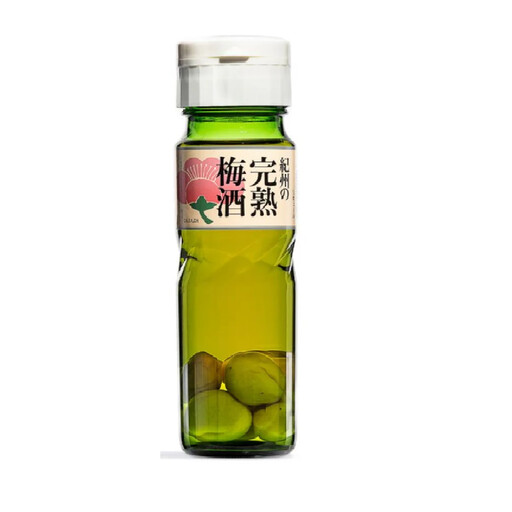
What sets it apart
This umeshu from the House of Ozeki is unique in that it's made with whole plums, which you can see in the bottle. These plums continue to infuse and enrich the liqueur over time. The result is a plum liqueur that is simultaneously sweet, fruity, and tangy, with beautiful complexity. Its perfect balance between sugar and the fruit's acidity makes it irresistible.
Highlights
Who is it for?
For anyone who loves fruity liqueurs and sweet flavours that are still perfectly balanced. It's an ideal gateway to the world of Japanese spirits for those who are put off by the dryness of traditional sake or intimidated by the strength of distilled spirits.
Our selection is just a taste of the treasures the Asian continent has to offer. To explore other flavours, from exceptional sakes to more niche liqueurs, feel free to browse our complete collection.
Discover our collection of premium Asian spirits
Classic soju has a relatively neutral taste, often compared to a smoother, less potent vodka with a slightly sweet finish. The flavoured versions (yuzu, grapefruit, peach, etc.) are dominated by the taste of the fruit, making them very approachable and delicious.
It all depends on the spirit! Soju is traditionally drunk neat and chilled, in small glasses. Baijiu is savoured at room temperature in small sips to appreciate its full complexity. Umeshu, on the other hand, is excellent served chilled, on the rocks, or topped with sparkling water.
Yes, baijiu is a very potent spirit. Most bottles have an ABV between 40% and 60%. Tasting it is an intense experience, so it's advisable to enjoy it in moderation, preferably during a meal to accompany the dishes.
Alcohol abuse is dangerous for your health. Please drink responsibly. Consuming alcoholic beverages during pregnancy, even in small amounts, can have serious consequences for the child's health.