
Livraison le jour même ou le lendemain

Qualité garantie

Débloquez vos offres de bienvenue: Livraison GRATUITE | Jusqu'à -80 % | 30 jours d'essai gratuits à JoyPlus
Téléchargez l'application
Long the preserve of insiders, the world of Asian spirits is now captivating Western palates. From Korean Soju to prestigious Chinese Baijiu and delicate Japanese Sake, shelves are filled with fascinating bottles. But this abundance can quickly become overwhelming, leading to disappointing purchases. Our mission ? To guide you through this jungle so you can make the right choice, far from the siren song of marketing hype.
Before you dive in, here are the two classic beginner mistakes:
To unearth a true gem, forget the pretty labels for a moment and focus on three essential criteria.
This is the number one criterion, the one that determines the strength and flavour profile of your drink.
It's the base ingredient that gives each spirit its soul and character.
The alcohol by volume (ABV) is a reliable indicator of how and when to enjoy your bottle.
Rather than aiming for a single "perfect" product, the goal is to find the bottle that matches your taste and the occasion.
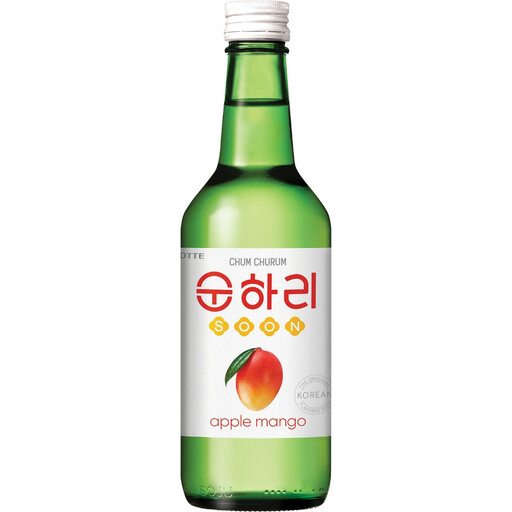
Why this choice: It's the perfect gateway into the world of Korean spirits. Its fruity profile and low alcohol content make it very approachable for a first tasting or a casual get-together.
There's no pretence here. The promise is clear: a flavoured soju that's light and easy to drink. No unpleasant surprises on the horizon.
Its low alcohol content (12%) and flavours of apple and mango make it an ultra-refreshing drink, best served very cold, on its own, or in a simple cocktail.
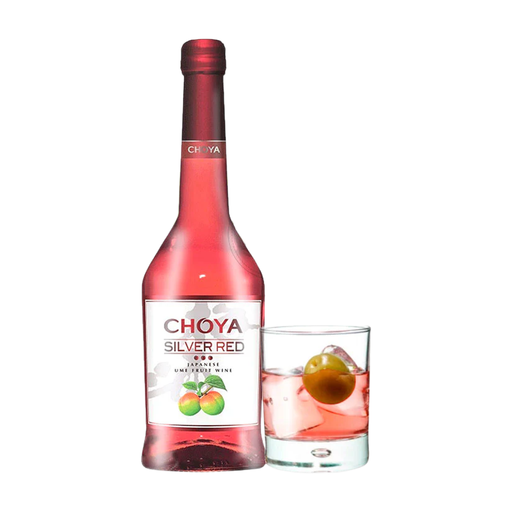
Why this choice: Perfect for those seeking a touch of originality for an aperitif or dessert. This Japanese plum wine is blended with red wine, creating a unique flavour that is both sweet and tangy.
The label is crystal clear: it's a drink made from red wine and ume plum juice. You know you're buying a fruity, light beverage at 10% alcohol, not a powerful spirit.
Its perfect balance of fruit and wine makes it a very versatile drink that pairs well with food or can be enjoyed on its own, well-chilled.
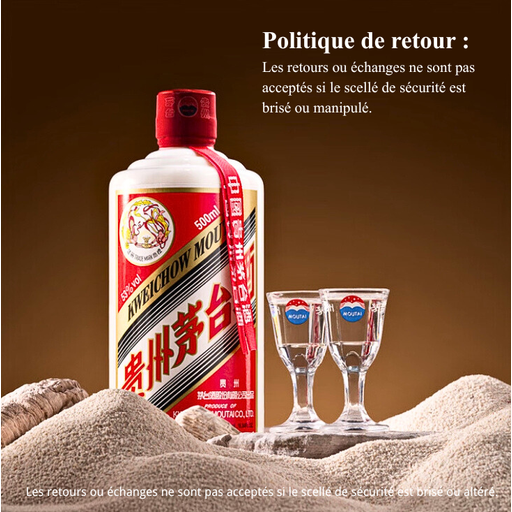
Why this choice: It needs no introduction: this is one of the most renowned and sought-after spirits in the world. Moutai is the ultimate choice for a business gift, a major celebration, or for a discerning collector of Asian spirits.
With Moutai, you're betting on the absolute gold standard of "sauce-aroma" Baijiu. There's no risk of overpaying for mediocre quality: its global reputation is built on unparalleled craftsmanship.
An incredibly complex aromatic profile (notes of soy, florals, fruits) and a memorable finish. Its 53% ABV demands a respectful and mindful tasting.
Whether you're looking for a unique gift or your curiosity has been piqued, our full selection is waiting for you.
To put it simply:
For high-proof spirits like Baijiu or traditional Soju (>20%), simply reseal the bottle tightly and store it upright, away from light and heat. They will keep for years this way. For fermented or lighter alcohols like Sake, Makgeolli, or Umeshu, they must be kept in the refrigerator after opening and consumed within a few days to a few weeks to preserve their freshness.
Technically, yes. But it's a very bad idea. Cooking wines (like some versions of Shaoxing wine) often have salt added for preservation, making them undrinkable on their own. For a true tasting experience, choose a bottle sold as such, like the Kuai Ji Shan 5-Year-Old, which offers an unparalleled gustatory experience.