
Same-day & Next-day Delivery

Quality Guaranteed

Unlock Your Welcome Offers: FREE Delivery | Up to 80% OFF | Free 30-day JoyPlus trial
Download the APP
The world of Asian soda is a promise of escape: colourful bottles, exotic flavours, and unique tasting experiences. However, venturing into the aisles of an online Asian grocery store can quickly become a headache. Between the alluring packaging and vague descriptions, it's easy to end up with a disappointing drink. As a product recommendation expert at Joybuy, I'm sharing my secrets to help you decipher these labels and make the right choice every time.
Before you fall for a tempting label, let's review the most common pitfalls and the essential criteria for finding the Asian soft drink you'll truly love.
To ensure you make the right choice, focus on a few key points. These indicators will help you see beyond the packaging and understand what you're really buying.
Not all bubbles are created equal. We can distinguish three main categories, each offering a different experience:
A quick glance at the label says a lot. Here's what to look out for:
To put theory into practice, here are our recommendations for every type of taster.
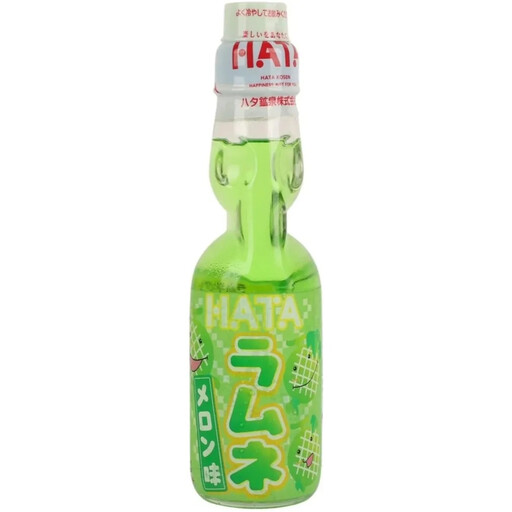
Why it's a great choice: Ideal for those who want the unique experience of a Japanese lemonade. The opening ritual with the glass marble is a real attraction, perfect for a first foray into the world of Japanese soda.
This product doesn't rely solely on its packaging. Its main selling point is its interactive format, a unique product feature that goes far beyond simple visual marketing.
The fun opening experience with the glass marble. A refreshing melon soda taste and a fine fizz. Note: it contains the E102 colourant.
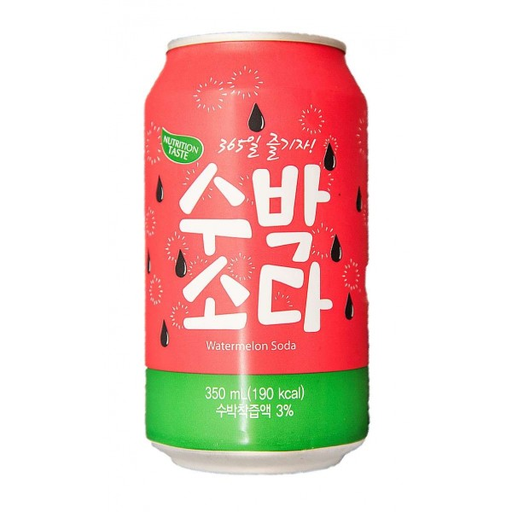
Why it's a great choice: Perfect for those looking for a direct, intense, and straightforward fruit flavour. This Korean soda is excellent with a Korean barbecue or simply to cool down with a bold watermelon soda taste.
It avoids the pitfall of confusing flavours by offering a clear watermelon aroma that's true to expectations. No unpleasant surprises upon tasting.
A pronounced and authentic watermelon taste. Convenient 350ml can format, more generous than Ramune bottles. Ideal for simple, direct enjoyment.
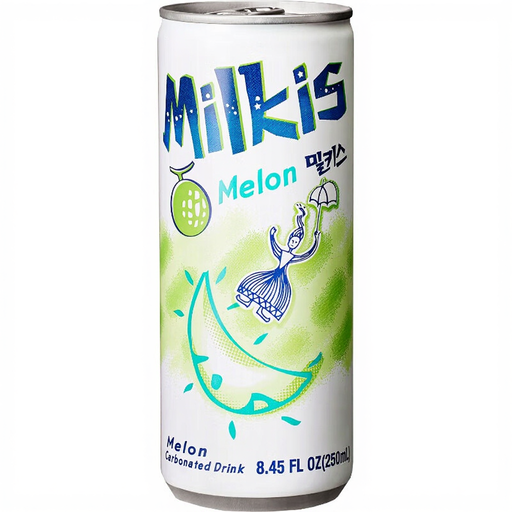
Why it's a great choice: For those who are tired of traditional sodas and are looking for a unique drink with a surprising texture. This Korean classic combines the creaminess of milk with the fizz of a melon soda.
It stands out dramatically from classic fruity sodas. By offering a creamy and fizzy texture, it creates its own category and avoids any misleading comparisons.
Unique texture that is both creamy and sparkling. Contains skimmed milk powder and soy polysaccharides. According to the manufacturer, it is enriched with vitamins A and D3.
Discover our full selection of products that meet our quality standards and current regulations.
Opening a Japanese lemonade is child's play, as long as you know the trick. Remove the plastic wrapper from the cap to release the small plunger. Place it on the glass marble that seals the bottle and press down firmly with the palm of your hand. The marble will drop into the neck of the bottle, releasing the carbonation. Don't be afraid of the little "pop"!
Without making a generalization, we can observe a few trends. Japanese soda is often associated with more subtle flavours and traditional formats like Ramune. Korean soda, on the other hand, is often more daring with very intense fruit flavours (grape, pear, watermelon) and unique textures like fizzy milk drinks.
Unsurprisingly, yes. Like most sodas, they contain sugar. The content varies from one product to another, but you can generally expect between 8 and 12 grams of sugar per 100ml. The best practice: check the label for nutritional information to make a choice that fits your diet.