
Livraison le jour même ou le lendemain

Qualité garantie

Débloquez vos offres de bienvenue: Livraison GRATUITE | Jusqu'à -80 % | 30 jours d'essai gratuits à JoyPlus
Téléchargez l'application
Asian snacks are hard to resist, with their exotic flavours, varied textures and handy formats that slip easily into a bag. Japanese biscuits, Korean snacks, Asian confectionery or Asian crisps: the range lets you put together an assortment that suits a solo break, a night in with friends or a grab-and-go treat.
But a colourful packet and a promise of flavour aren't enough to make the right choice. The ingredients, the size and the storage conditions can change the experience completely. Here are the points to check before you fill your basket.
A "matcha", barbecue, prawn or red berry flavour might sound tempting. Yet only the ingredients list tells you what the product actually contains. Some Oreo biscuits with original flavours, for example, contain wheat, soya or milk. Dried fruits can also be loaded with added sugar and acidity regulators.
So don't rely solely on the picture on the packet: take the time to check the ingredients and allergens before you place your order.
A 40–100 g bag can be perfect for an individual snack, while a 234 g pack, like an assortment of filled biscuits, is better suited to sharing. Basing your choice only on the price can therefore be misleading. Instead, look at the net weight, the number of portions and, where available, whether it comes in individual sachets.
Grilled seaweed quickly loses its crunch when exposed to moisture. Prawn crackers and Asian crisps can also go soft. Dried fruits, meanwhile, need to be sealed tightly to stop them drying out or absorbing ambient moisture.
A resealable packet or individual portions are real everyday advantages. That doesn't mean you can ignore the instructions on the pack.
In the UK, allergen labelling must be checked carefully. Depending on the recipe, the main ingredients to watch out for are:
Anyone with allergies should check the label on the product they receive, as recipes and trace mentions can change.
Nutritional values per 100 g make it easy to compare sweet and savoury snacks. Chocolate biscuits and confectionery often have a high carbohydrate and sugar content, while seasoned products can be particularly high in salt.
Also look out for sweeteners, flavour enhancers and preservatives. Some products, for example, mention aspartame and a source of phenylalanine – information to note for those affected. These products are, above all, treats to be enjoyed according to your own taste and habits.
For a rucksack or a desk drawer, go for a small format: Pocky, seaweed in portions or an individual wafer. For a family, assortments and multi-packs are more practical. Products that need quick preparation, like Korean tteokbokki, require a microwave or cooking according to the instructions.
Also check the best-before date, the country of origin stated, the storage temperature and any instructions to follow after opening.
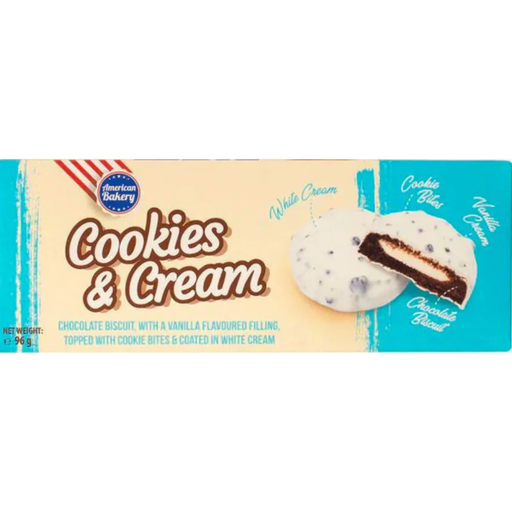
Why this choice suits this profile: At 96 g, this pack lets you try a chocolate sandwich biscuit without committing to a large format. It's ready to eat straight away, with no preparation needed.
The net weight is clearly stated, and storage after opening recommends an airtight container to keep the biscuit crunchy.
A crunchy biscuit, a filling stated at 29% and reduced-fat cocoa at 4.5%, according to the product sheet.
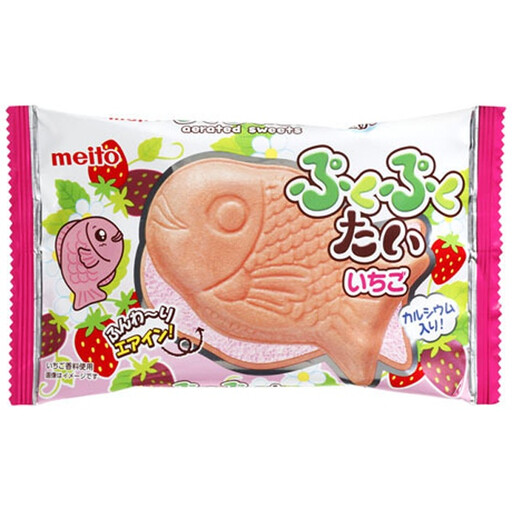
Why this choice suits this profile: This Japanese speciality combines a wafer with a strawberry chocolate coating, offering a more original tasting experience than standard biscuits.
The flavour profile is detailed in the ingredients list, notably with dried strawberry, rather than relying solely on a promotional image.
A texture that combines chocolate and wafer, with a stated portion of 16.5 g per unit in the Meito range.
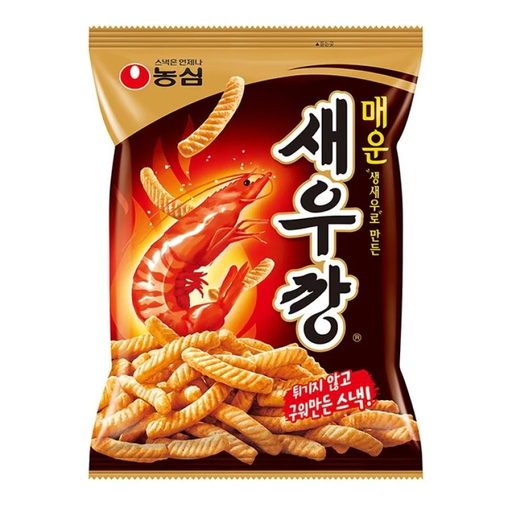
Why this choice suits this profile: Its spicy seasoning and 75 g format will delight fans of savoury snacks, whether enjoyed alone or shared during a night in.
The product sheet lists wheat, prawns, soya and milk, while also indicating possible traces to check before consumption.
A crunchy texture, 5.7% prawns in the recipe and a stated salt content of 1.45 g per 100 g.
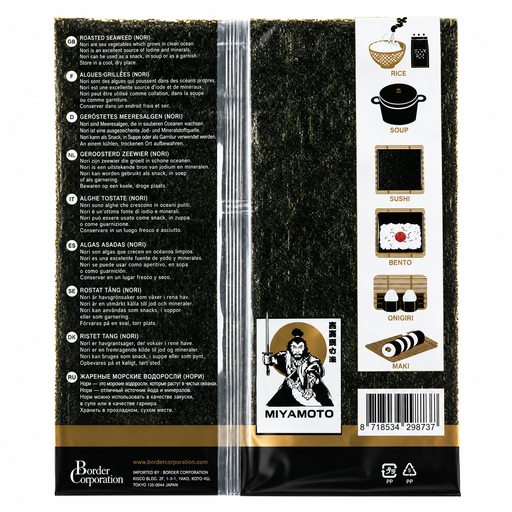
Why this choice suits this profile: These sheets can be eaten as they are, sprinkled over rice or used to make sushi. A handy format for small hunger pangs or quick meals.
The total weight of 12.5 g and the single ingredient stated make it easy to understand the product and avoid mistaking a garnish for a large sharing bag.
A product made from 100% seaweed according to the product sheet, to be stored in the fridge to preserve its texture.
We've put together a comprehensive, real-time updated list of products that fully meet these strict selection criteria and European safety regulations.
To vary textures and origins, combine several product families:
Different formats let you try several flavours without accumulating packs that are tricky to store.
Start with easy-to-enjoy flavours like chocolate biscuits, Pocky or dried fruits. Then add a savoury option, such as grilled seaweed or prawn crackers. Before buying lots of different products, make sure to check the allergens.
It depends on the product. Biscuits and crisps should generally be eaten quickly after opening and stored in a dry place. Seaweed, on the other hand, needs particularly effective protection from moisture. The date printed on the packaging applies to the unopened product: once the packet is open, the storage instructions take priority.
Some individual formats are handy for a lunchbox. However, you need to check the ingredients, allergens, spice level and texture. Young children should be supervised while eating, especially with hard pieces, seaweed sheets or very sticky products.