
Livraison le jour même ou le lendemain

Qualité garantie

Débloquez vos offres de bienvenue: Livraison GRATUITE | Jusqu'à -80 % | 30 jours d'essai gratuits à JoyPlus
Téléchargez l'application
Home-cooked Asian cuisine is captivating more and more households, drawing them in with its complex and exotic flavours. However, replicating the authenticity of a Korean, Chinese, or Thai dish can seem daunting. The key often lies in the Asian seasoning—a precise blend of spices, sauces, and aromatics. With an ever-expanding market, it's essential to know how to choose high-quality products that comply with European standards and offer a great balance between convenience and authentic flavour.
As a Product Recommendation Manager at Joybuy, my role is to help you navigate this market. I'm here to offer practical advice for making informed choices and a selection of products that make preparing flavourful dishes at home easier.
Navigating the aisles can be complex. Here are a few key points to guide your selection.
A good seasoning is defined by its composition. Opt for products with clear and understandable ingredient lists. For example, in a Korean bulgogi marinade, the presence of soy sauce, pear or apple purée, garlic, and onion is a good indicator. In accordance with EU regulations, all ingredients, including additives (identified by an E-number), must be listed. A shorter list with ingredients you recognise is often a sign of simplicity and natural quality.
For any product imported and sold within the European Union, the presence of an EU-based "responsible person" on the label is a legal requirement. This information guarantees that the product complies with current safety and labelling standards. It's a significant mark of trustworthiness that ensures the traceability of the product you are buying.
Asian seasonings come in various forms:
Here is a selection of products that cater to different needs, perfect for those who want to start their home-cooked Asian food journey with reliable foundations.
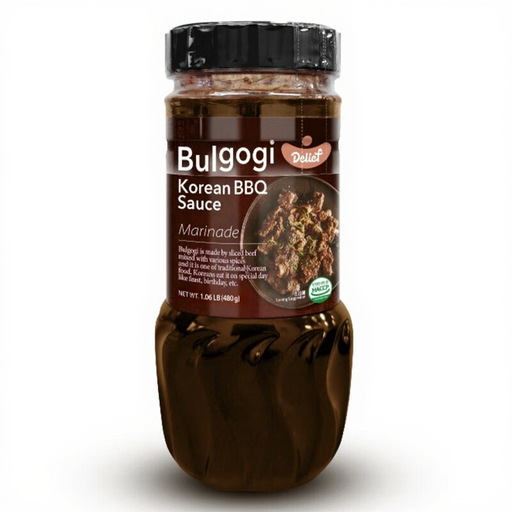
Why we recommend it This Korean bulgogi marinade from Delief is an excellent gateway to the flavours of Korean barbecue. Its recipe is based on traditional ingredients like soy sauce and pear purée, which adds natural sweetness and helps tenderise the meat. Its texture is perfect for coating thin slices of beef, but it also works very well with chicken or pork. It's a convenient solution for a quick and flavourful meal.
Pros
Who is this product for? For fans of Korean cuisine looking for a quick way to prepare authentic bulgogi, as well as families who enjoy mild and aromatic flavours.

Why we recommend it This Asian cooking kit from Hao Ren Jia is specifically designed for an iconic dish: Sichuan-style grilled fish. It stands out with its mala (麻辣) flavour profile, which combines the heat of chilli peppers with the unique numbing sensation of Sichuan peppercorns. The kit contains two sachets: a rich and aromatic sauce base made from broad bean paste and chillies, and a seasoning powder to prepare the fish. It's a well-designed product for those who want to venture into bolder flavours.
Pros
Who is this product for? For adventurous cooks and flavour enthusiasts who want to prepare an authentic Sichuan grilled fish seasoning without having to buy a dozen mala spices separately.
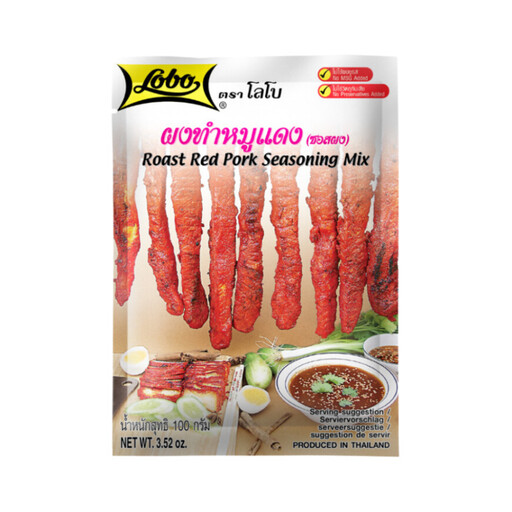
Why we recommend it Roast pork, or Char Siu, is a cornerstone of Cantonese cuisine. This roast red pork seasoning mix from the Thai brand Lobo greatly simplifies its preparation. As a powder, it just needs to be mixed with water to create a marinade that gives the meat its characteristic red hue and its instantly recognisable sweet and savoury taste, thanks to ingredients like star anise and cinnamon. It's a very convenient alternative to liquid char siu sauce.
Pros
Who is this product for? For anyone who loves roast pork and wants an easy way to prepare it in the oven or on the barbecue, as well as for those looking for a versatile dry seasoning.
While the specific flavours of bulgogi or roast pork are an excellent starting point, the world of Asian barbecue sauce is much broader. To explore a wider range of marinades and spices for your summer grilling, we invite you to browse our selection of Barbecue Ingredients. There you'll find other options to add variety and surprise your guests.
1. What is the difference between a marinade and an accompanying sauce? A marinade is used before cooking to infuse food with flavour and often to tenderise it. Meat, fish, or vegetables are left to soak in it for a certain amount of time. An accompanying sauce, on the other hand, is typically added during or after cooking, or served on the side for dipping.
2. How should I store Asian seasoning after opening? For liquid marinades and sauces, it is best to store them in the refrigerator after opening and consume them within a reasonable time, as indicated on the packaging. Powdered spice mixes should be kept in a cool, dry place, away from moisture, in their tightly sealed packaging.
3. Can these seasonings be used for vegetarian dishes? Absolutely. The bulgogi marinade is delicious with mushrooms or firm tofu. The roast pork mix can also be used to glaze seitan or thick slices of butternut squash before roasting. It's always a good idea to check the ingredient list to ensure it meets your dietary needs.