Finding authentic Asian sausages can sometimes feel like a treasure hunt. Between the different origins (Chinese, Japanese, Taiwanese…), flavours, and cooking methods, it's easy to get lost. Yet, whether you're looking to rediscover a childhood taste, perfect a Chinese hot pot, or simply elevate a rice dish, choosing the right sausage makes all the difference.
This guide is here to shed some light. We've broken down the characteristics of each type of sausage and selected benchmark products to help you buy Asian sausages online with confidence.
How to Choose the Right Asian Sausages
Before you start, here are the key points to consider to find the perfect sausage for your recipes.
1. Flavour Profile: Sweet, Savoury, or Spicy?
Taste is the most crucial element. Each region has its own speciality.
- Cantonese Sausage (Lap Cheong): This is the undisputed star of Chinese sausages. It's recognisable by its distinct sweet and savoury flavour, which comes from sugar, soy sauce, and sometimes rice wine. Once cooked, its texture is firm and dense.
- Sichuan Sausage: For those who love a kick! This spicy sausage is a must-try. Generously seasoned with chillies and Sichuan peppercorns, it delivers a complex, spicy, and slightly numbing flavour—the famous mala effect.
- Japanese Sausage: Milder in flavour, this sausage is most often smoked and pre-cooked. Its subtle taste and juicy, tender texture make it a popular all-rounder.
2. Culinary Use: Steamed, Pan-Fried, or Hot Pot?
Each sausage has its preferred cooking method.
- Steaming or Cooking in Rice: The Cantonese sausage reigns supreme here. When steamed, it releases a fragrant fat that elevates simple white rice or a homemade fried rice.
- Grilling and Pan-Frying: More robust, Sichuan or Taiwanese sausages hold up perfectly to high-heat cooking in a pan or on the barbecue, where they develop a delicious caramelisation.
- Chinese Hot Pot: Opt for pre-cooked or quick-cooking sausages. Cut into thin slices, they soak up the broth and are ready in an instant.
Our Recommended Asian Sausages
Here are the products that made our list, all available for home delivery.
Laweiju Spicy and Numbing Grilled Sausage (Beef)
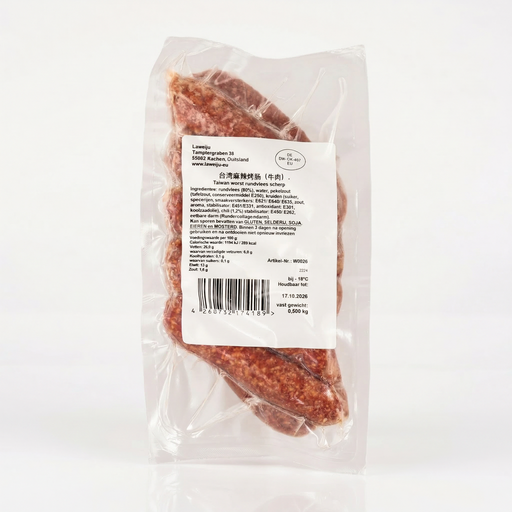
- Key Feature: A true immersion into the flavours of Sichuan. This beef Sichuan sausage offers the authentic mala experience: that unique, simultaneously spicy and numbing sensation that is the signature of this great regional cuisine.
- Advantages: Made with 80% beef, it has a rich texture and a powerful taste. Highly versatile, it transitions effortlessly from the grill to the pan and will add a bold kick to a Chinese hot pot.
- Who is it for? For discerning palates, lovers of bold flavours, and anyone who wants to cook an authentic Sichuan dish without the fuss of marination.
NH Foods Nipponham Japanese-Style Pork Sausages
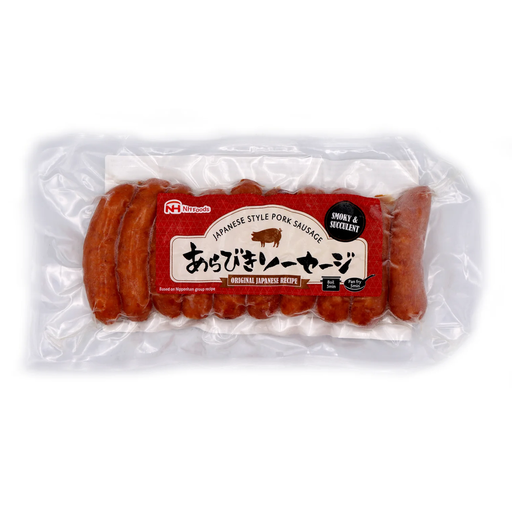
- Key Feature: The perfect blend of simplicity and deliciousness. Already cooked and smoked, this Japanese sausage is ready in a flash. Its delicately smoky flavour and juicy texture make it an incredibly accessible product.
- Advantages: Preparation is a breeze: 5 minutes in simmering water or in a pan, and it's ready. Its natural sheep casing gives it that pleasant little snap.
- Who is it for? A go-to choice for family meals, quick bento boxes, savoury breakfasts, or impromptu appetisers. It's the perfect gateway to the world of Asian sausages.
Meng Fu Black Pepper Pork Sausages (Taiwan)
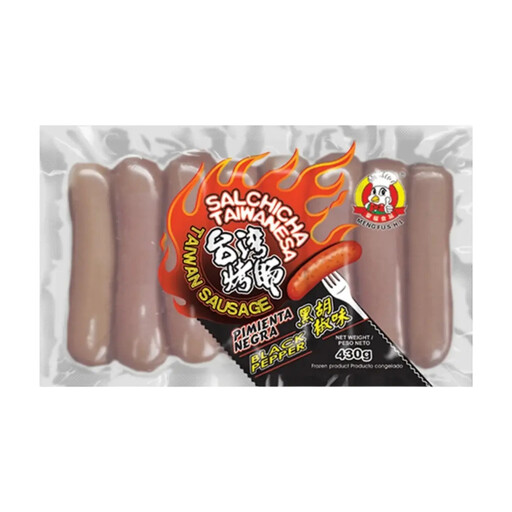
- Key Feature: Head to Taiwan with this characterful sausage, whose signature is a generous seasoning of black pepper (0.8%). The balance between the pork flavour and the aromatic heat of the pepper is perfectly executed.
- Advantages: Its recipe, based on pork (47%) and lard, ensures a very tender texture. It's a true workhorse: equally at home on a summer barbecue as it is in a vegetable stir-fry or a hot pot.
- Who is it for? For those who love robust flavour with a distinct peppery note, but without the fire of Sichuan chilli. The secret ingredient to jazz up everyday dishes.
Wanderfort Cantonese-Style Sausage
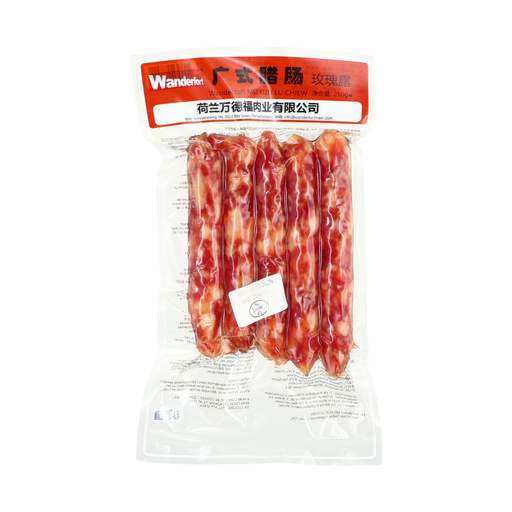
- Key Feature: The essential Cantonese sausage (lap cheong) in its most classic form. It features the characteristic sweet and savoury profile, here enriched with the deep notes of sorghum spirit.
- Advantages: Its high pork content (72%) guarantees a pleasant chew and an authentic taste. It's perfect steamed and sliced over a bowl of rice, but also works well in fried rice or an omelette.
- Who is it for? A must-have for Cantonese cuisine purists and anyone looking to find the key ingredient for an authentic clay pot sausage rice (Lap Mei Fan).
Want to Explore Other Flavours?
Our selection highlights pork and beef, but the adventure doesn't stop there. For those who prefer lighter meats, there are excellent poultry alternatives.
Discover our selection of poultry sausages.
Frequently Asked Questions About Asian Sausages
How do you cook dried Chinese sausages (Lap Cheong)?
Steaming is the gold standard. Simply place the whole sausages on a plate and steam for 15 to 20 minutes, until they become slightly translucent. The pro tip? Place them directly on top of the rice while it cooks. Once ready, just slice them thinly on a diagonal.
How should you store Asian sausages?
It all depends on the type of sausage.
- Dried sausages (Cantonese-style): These can be stored for several weeks in a cool, dry cupboard, away from light. Once the package is opened, move them to the refrigerator.
- Fresh or pre-cooked sausages (Japanese, Sichuan-style): These are most often sold frozen. Keep them in the freezer (-18°C) until the use-by date. Be careful, a thawed product should never be refrozen! Consume them quickly.
What is the difference between a Chinese sausage and a Japanese sausage?
They are almost polar opposites! The most common Chinese sausage (Cantonese) is dried, firm, and has a very powerful sweet and savoury taste. In contrast, Japanese sausage is typically pre-cooked, smoked, much more tender and juicy, with a mild flavour. Be aware that they are rarely interchangeable in a recipe: substituting one for the other could completely transform your dish.


