
Livraison le jour même ou le lendemain

Qualité garantie

Débloquez vos offres de bienvenue: Livraison GRATUITE | Jusqu'à -80 % | 30 jours d'essai gratuits à JoyPlus
Téléchargez l'application
Standing in the Asian condiments aisle can be overwhelming?: a jungle of bottles with indecipherable labels, all promising authentic flavours. How do you navigate it all to perfect your next wok sauce, Asian marinade, or simply level up a bowl of noodles??
As a product expert at Joybuy, my mission is to demystify it all for you. In this guide, we'll review the essential sauces, explain when and how to use them, and help you make the right choices for your kitchen. All without the jargon or marketing fluff.
Before you fill your cart, a few simple criteria can guide you to the right product for your needs.
There's a sauce for every dish! A light, thin soy sauce is perfect for a dipping sauce or a last-minute seasoning. Conversely, a thicker, sweeter sauce like oyster sauce is ideal for coating vegetables and meats in a wok. For a truly great Asian marinade, you need a base that not only tenderises the meat but also infuses it with deep flavour, such as a combination of soy sauce, garlic, and ginger.
These two are the cornerstones of many Asian cuisines.
The popularity of Asian cuisine is driving manufacturers to innovate for all dietary needs. Today, you can find excellent alternatives, like vegan oyster sauce. It perfectly mimics the texture and umami taste of the original using ingredients like mushrooms or soy protein. A smart choice for diversifying your Asian seasonings without any animal products.
Here are some tried-and-true picks to build your foundational kitchen toolkit.
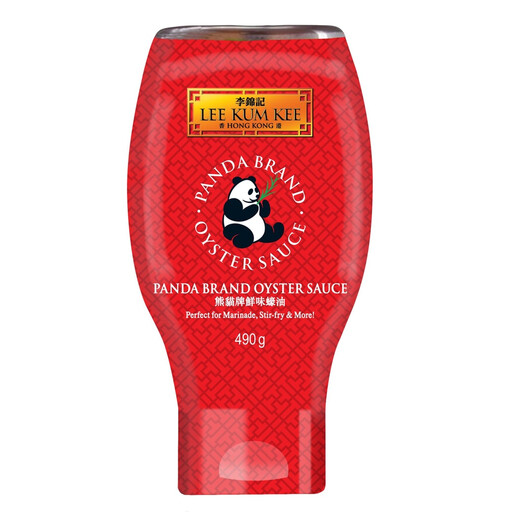
What makes it special??
The Lee Kum Kee brand is an institution in Chinese sauces. This version stands out with its squeeze bottle, which is incredibly convenient for precise, mess-free dispensing. Made from oyster extracts, it delivers a rich and well-balanced umami flavour.
Key Features
Who is it for??
For anyone looking for a reliable, easy-to-use oyster sauce for everyday cooking, whether for vegetable, beef, or chicken stir-fries.
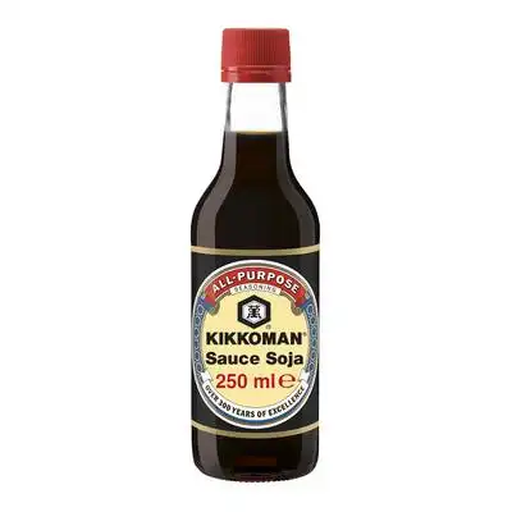
What makes it special??
Kikkoman sauce is THE global benchmark for Japanese soy sauce. Produced through natural fermentation, its recipe consists of just four simple ingredients?: water, soybeans, wheat, and salt. This traditional process gives it its amber colour and unique, complex aroma.
Key Features
Who is it for??
For anyone who wants a versatile, all-purpose soy sauce. It's the essential bottle to have in your pantry to get started with Asian cooking and beyond.

What makes it special??
The perfect solution for getting the rich flavour and coating texture of oyster sauce in a 100% plant-based version. To recreate that distinctive umami taste, Lee Kum Kee uses a blend based on soy protein and mushroom extracts.
Key Features
Who is it for??
For vegans, vegetarians, and anyone curious about reducing their consumption of animal products without sacrificing the flavour of their Asian dishes.
Asian cuisine is an infinite universe of flavours. Your next dish might call for a chilli sauce, sesame oil, a specific curry paste, or a low-sodium soy sauce.
To find the perfect gem that will elevate your recipe, explore our full selection.
Light soy sauce is thinner, saltier, and, as its name suggests, lighter in colour. It's used for general seasoning because it doesn't add much colour to food. Dark soy sauce, on the other hand, is aged longer. It often contains molasses, making it thicker, darker, less salty, and slightly sweet. Its main purpose is to add colour to dishes, such as braised meats.
Most Asian condiments, especially fermented ones like soy sauce, have a very long shelf life. However, to best preserve their flavours, it's recommended to store them in the refrigerator after opening. When in doubt, always follow the instructions on the label.
Although they both share that famous umami flavour, they are not interchangeable. Oyster sauce is thicker, sweeter, and has a very different flavour profile. Using it in place of soy sauce would radically change the texture and taste of your dish. It's best to use them for their respective purposes or combine them with a clear understanding of the outcome.
By the Joybuy Product Recommendations Team