
Livraison le jour même ou le lendemain

Qualité garantie

Débloquez vos offres de bienvenue: Livraison GRATUITE | Jusqu'à -80 % | 30 jours d'essai gratuits à JoyPlus
Téléchargez l'application
The Asian sauces aisle can quickly become overwhelming. Between bottles of soy sauce, very sweet preparations, chilli sauces and bases for Chinese hot pot, the differences in taste, ingredients and usage can be considerable.
In the UK, three common pitfalls keep cropping up:
To buy with confidence, it's best to match the sauce's ingredients to the dish you want to cook, rather than choosing based purely on the name or the look of the bottle.
Ingredients are usually listed in descending order of quantity. For a soy sauce, check for soya, wheat and salt. Anyone with allergies should also look out for mentions of fish, shellfish, peanuts and sesame.
For example, MONT ASIE Soy Sauce 500 ml contains water, soya beans, wheat flour, salt, sugar and potassium sorbate. LEE KUM KEE Premium Light Soy Sauce 500 ml also lists soya and wheat among its allergens.
More specialist sauces need extra attention:
The sweetness is far from a minor detail. A sweet soy sauce or a sweet chilli sauce can contain a significant amount of sugar. That's perfect for glazes and dipping sauces, but less suitable for a recipe where you want to control the seasoning precisely.
Thai Dancer Sweet Chilli Sauce, for instance, contains 52.2 g of sugar per 100 g and 3.23 g of salt per 100 g. It's therefore particularly well suited for use as a dipping sauce, in a marinade, or as a finishing touch.
Classic soy sauces are mainly valued for their salty intensity and umami contribution. Dark soy sauce also colours dishes very quickly. It's best to add it little by little, especially in stir-fried noodles, vegetables or marinated meats.
Texture also plays a role:
Before choosing a bottle, start by deciding its main purpose:
After opening, many products need to be kept in the fridge. Some, like Zab Mike fish sauce which is specifically intended for papaya salad, even recommend consumption within seven days. This detail can influence your choice of size, whether you're cooking for one, for a family, or in a professional setting.
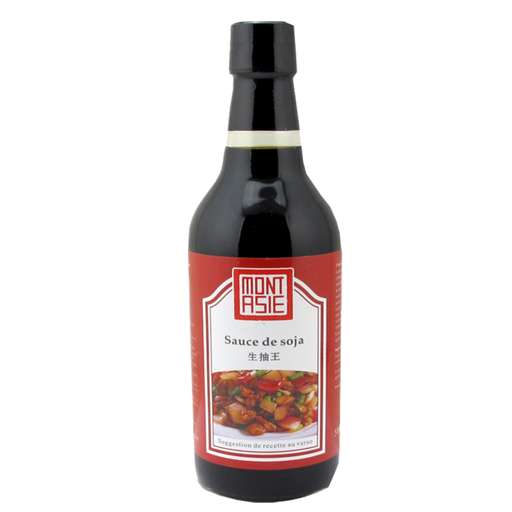
Why this suits this profile: A versatile staple for exploring Chinese, Japanese or Vietnamese cuisines without stocking up on multiple bottles.
The ingredients list and allergens are clearly stated. The sauce is described as suitable for stir-fries, marinades and dipping sauces.
A 500 ml bottle, fermentation mentioned on the product page, and storage at room temperature before opening.
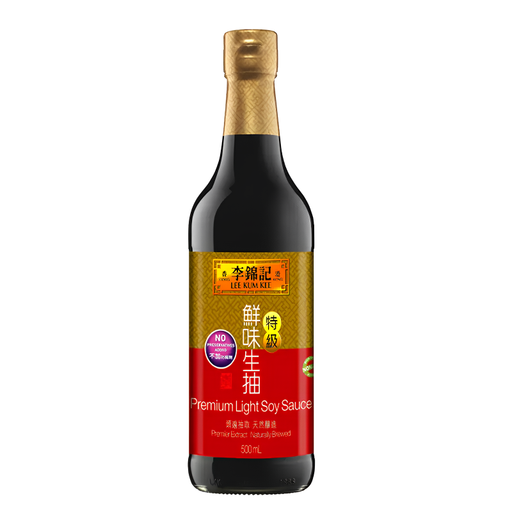
Why this suits this profile: A top choice for those seeking a light soy sauce for dishes where colour and dosage need to stay under control.
Its positioning as a light soy sauce prevents accidentally picking a dark one, which is mainly used to colour dishes and accompany slow-cooked preparations.
Ingredients based on soya and wheat, with 8 g of protein and 18 g of salt per 100 ml according to the product page.
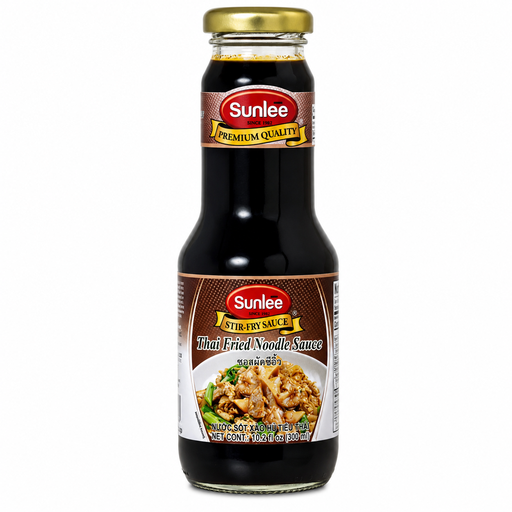
Why this suits this profile: A convenient solution for making stir-fried noodles and Pad Thai regularly at home or in a small professional kitchen.
It's designed for a specific recipe, with a dosage of two to three tablespoons and detailed preparation instructions.
A blend based on soy sauce, garlic and vinegar, sold in a 300 ml bottle and made in Thailand.
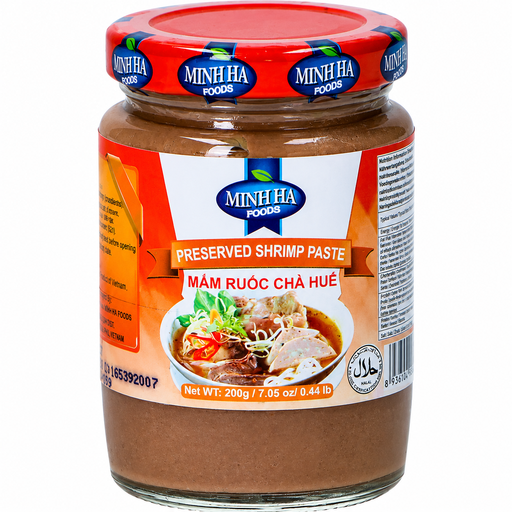
Why this suits this profile: This fermented shrimp paste is aimed at cooks who want to bring an intense Vietnamese note to very specific recipes.
The product page clearly states its strong smell, its 75% shrimp content and the presence of shellfish – its flavour profile is announced without any ambiguity.
A 200 g jar, made in Vietnam, with suggested uses for soups, noodles and certain traditional dishes.
We've put together a comprehensive, real-time updated list of products that meet these strict selection criteria and comply with European safety regulations.
A classic soy sauce is a versatile base for fried rice, vegetables, marinades and dipping sauces. You can then add a sweet chilli sauce or sriracha to spice things up, followed by a Pad Thai sauce if you regularly cook Thai noodles.
Always follow the instructions on the packaging first. Many sauces need to be kept in the fridge after opening, with the lid tightly closed. Fermented preparations, fish sauces and products containing sensitive ingredients may have a shorter shelf life once opened.
Sriracha sauce is generally hotter and often boosted with a good amount of garlic. Sweet chilli sauce focuses more on sugar and vinegar, with a milder kick. The first is great with noodles, dumplings and stir-fries, while the second pairs beautifully with fried foods, marinades and bite-sized dippers.