
Livraison le jour même ou le lendemain

Qualité garantie

Débloquez vos offres de bienvenue: Livraison GRATUITE | Jusqu'à -80 % | 30 jours d'essai gratuits à JoyPlus
Téléchargez l'application
An Asian sauce can transform a vegetable stir-fry, marinade or bowl of noodles in just a few minutes. You simply need to choose the right bottle. Light soy sauce is not used in the same way as dark soy sauce, while hoisin sauce or sweet chilli sauce will generally add more sweetness.
The risk when buying is ending up with a sauce that is too salty, too sweet or poorly suited to your recipes. If you cook regularly at home, it is therefore worth comparing the ingredients, size and usage advice before placing your order.
A dark sauce is not necessarily stronger in flavour. Dark soy sauce is mainly used to add colour and a touch of sweetness to slow-cooked dishes, marinades and braised recipes. Light soy sauce, on the other hand, is better suited to salting and enhancing food without significantly changing its appearance.
Used as the main seasoning, a dark sauce can therefore make a dish too dark or too sweet.
Asian sauces are often highly concentrated. Some product descriptions list more than 15 g of salt per 100 ml for soy sauces, while certain sweet and sour or hoisin sauces contain a significant amount of sugar. This is no reason to avoid them, but it is best to add them gradually.
A dish already prepared with oyster sauce, soy sauce and stock can quickly become too salty. For everyday recipes, take the time to check the nutritional table and start with a small amount before adjusting the seasoning.
Bottles of 700 to 900 g or ml are suitable for families, Asian food enthusiasts and professionals. For occasional use, a 150 to 300 ml size helps reduce waste and is easier to store.
Storage conditions vary from one product to another after opening. Several products recommend refrigerating the bottle, replacing the cap securely and observing the date shown on the packaging.
Start by deciding what you want from the sauce:
Soy sauces generally contain soya and wheat, meaning they contain gluten. Depending on the recipe and the risk of traces, some may also contain sesame, molluscs, celery or nuts.
Read the labelling carefully before buying, particularly if you have an allergy. DELIEF Kung Pao sauce, for example, states that it contains soya, sesame and gluten, with a risk of traces of milk, egg, peanuts and nuts. Healthy Boy oyster sauce, meanwhile, contains oyster extract, an allergen belonging to the mollusc family.
A squeeze bottle makes it easier to measure out wok sauce or glaze. A single 60 g sachet can be handy when preparing one dish, without having to store an opened leftover portion. For frequent use or catering, larger sizes reduce the need for restocking, provided that storage instructions are followed.
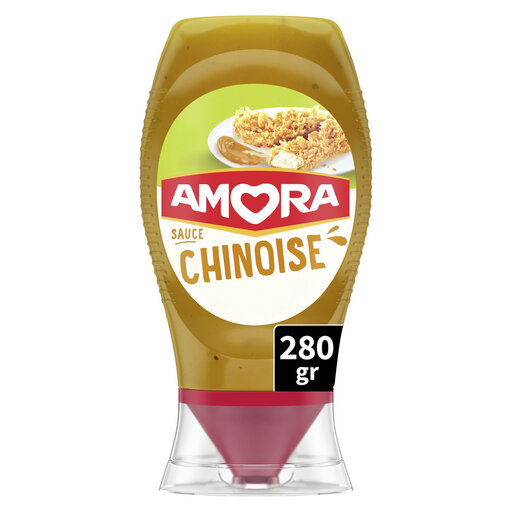
Why this choice suits this profile : Its squeeze bottle and 280 g size are ideal for your first homemade recipes, spring rolls and quick meals.
The product description states that it contains 30 % apricot purée and no flavour enhancers or colourings. Its fruity profile is therefore clearly identifiable.
A ready-to-use sauce for stir-fries, prawns, breaded bites and spring rolls.
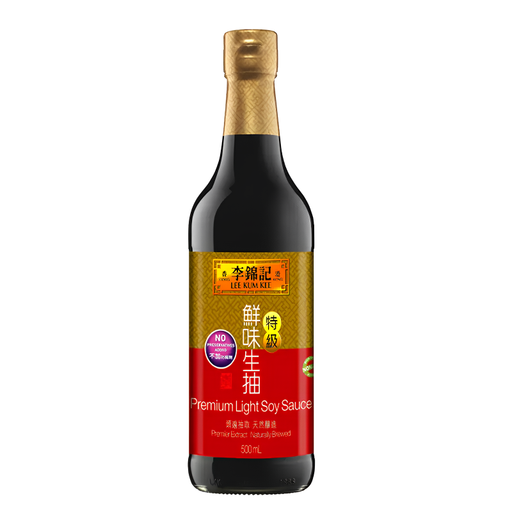
Why this choice suits this profile : This light soy sauce is ideal for anyone looking for a versatile base for seasoning, marinating and precise cooking.
The ingredients list includes defatted soya, wheat, salt, sugar and yeast extract. Allergens are clearly identified.
A 500 ml size, made in China as stated, and suitable for cooking, marinades and dipping sauces.
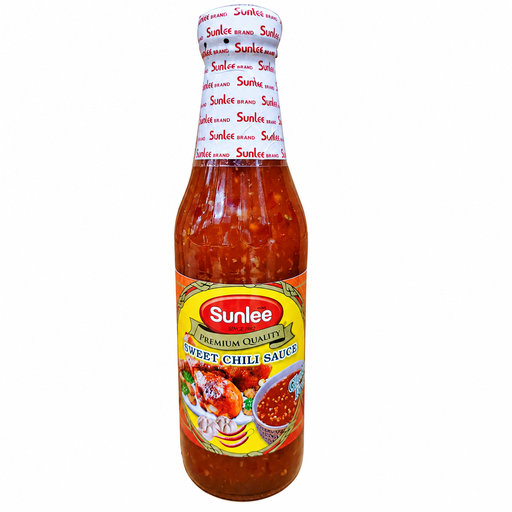
Why this choice suits this profile : This sweet chilli sauce can be served straight away with starters, grilled dishes, vegetables or seafood.
The recommended amount is specified for each use : one to two tablespoons in a wok, or served directly as a condiment.
A 300 ml bottle, a recipe made with red chilli and garlic, and genuine versatility for dipping sauces, marinades, stir-fries and glazes.
We have brought together a complete, real-time updated selection of products that meet these demanding criteria, as well as European safety standards.
Add sauces gradually, especially when they are high in salt. For a wok sauce, it is generally best to add it towards the end of cooking so that it coats the ingredients without burning. Char Siu sauce or hoisin sauce can be used as a marinade, but can also be brushed on during cooking.
Before opening, store bottles in a dry place away from light. Once opened, follow the label’s refrigeration instructions and use a clean utensil to prevent contamination.
Light soy sauce is a versatile base for vegetables, rice, noodles, fish and marinades. You can then add oyster sauce or sweet chilli sauce, depending on the flavours you are looking for.
Light soy sauce is mainly used for seasoning. Dark soy sauce adds more colour and is generally sweeter, particularly in braised dishes, marinades and certain Chinese sauces.
It depends on the recipe and the packaging. Check the date shown, close the bottle carefully and follow the refrigeration recommendations. Concentrated products should be handled with clean utensils and used sparingly.