
Livraison le jour même ou le lendemain

Qualité garantie

Débloquez vos offres de bienvenue: Livraison GRATUITE | Jusqu'à -80 % | 30 jours d'essai gratuits à JoyPlus
Téléchargez l'application
The world foods aisle can be intimidating: a wall of bottles with enigmatic labels, and the same question that always comes up. Light, dark, sweet, or salty soy sauce, fish sauce… How do you make sense of it all to nail your next Asian dish? Rest assured, this confusion is shared by all cooks, from beginners to the most seasoned pros.
Our mission at Joybuy is to help you see things more clearly. In this guide, we'll demystify the essential Asian sauces, explain their differences, and guide you toward the right choices so you can cook with confidence. No more guesswork! Here is a selection of essentials that will become the foundation of your entire recipe repertoire.
Before you fill your cart, a few key pointers are all you need to transform your cooking experience. Here are the key things to know when choosing your Asian cooking ingredients.
This is THE fundamental distinction in Chinese cooking. Although both come from fermented soybeans, their uses are very different.
A pillar of Southeast Asian cuisines (with Thailand and Vietnam leading the way), fish sauce is a condiment with a bold character. Known as nam pla in Thailand and nuoc mam in Vietnam, it's made from anchovies fermented in salt. Its aroma can be strong, but it mellows out during cooking to provide an unparalleled depth of salty, umami flavour. A quality sauce can often be identified by its high fish content and the absence of unnecessary additives.
To avoid making a mistake, rely on benchmark brands. Lee Kum Kee for Chinese sauces or Megachef for Thai fish sauce are sure bets. Recognised for their consistent quality and authenticity, they are favoured by families and chefs worldwide.
To build a solid foundation, there's no need to buy dozens of bottles. Here are three essential products that will open the door to a whole universe of recipes.

Why we chose it This dark soy sauce from the iconic brand Lee Kum Kee is a classic for a reason. It's specially formulated to bring a rich, deep caramel colour to your dishes. Less salty than its light counterpart, it adds a complexity and slight sweetness that is the signature of many braised dishes.
Highlights
Who is it for? Essential for those who love preparing stews, braised meats, or marinades that require a dark, rich colour. It's the secret ingredient for perfect soy sauce chicken or flawlessly glazed pork.
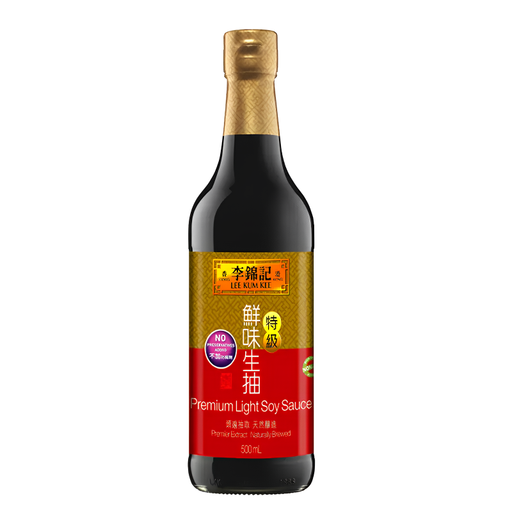
Why we chose it This is the ultimate all-purpose soy sauce. The premium light version from Lee Kum Kee is brewed from non-GMO soybeans. Its flavour is clean, salty, and full of umami, making it the go-to base condiment for seasoning almost anything, from stir-fries and soups to dipping sauces.
Highlights
Who is it for? Absolutely everyone. If you could only have one bottle of soy sauce in your kitchen, this would be it. It's fundamental for beginners and experienced cooks alike.
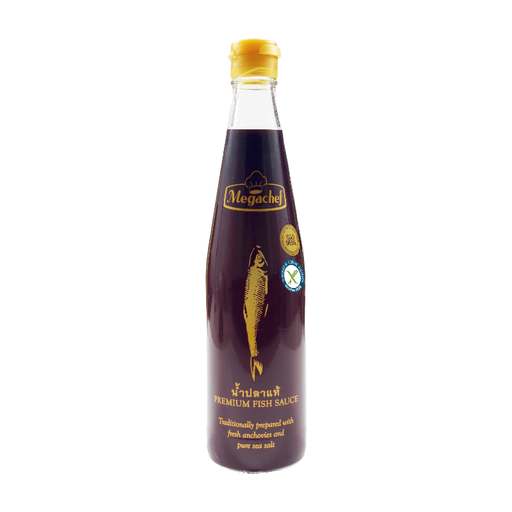
Why we chose itMegachef's fish sauce is a high-quality benchmark from Thailand. What sets it apart is its composition: 72% anchovy, with no added monosodium glutamate (MSG) or artificial colours. This high fish concentration gives it a pure, deep umami flavour that is essential for authentic Thai or Vietnamese cuisine.
Highlights
Who is it for? Fans of Thai dishes (curries, Tom Yum soup) and Vietnamese food (Ph? soup, nuoc cham dipping sauce for spring rolls). It's the perfect choice for those seeking an authentic, high-quality nuoc mam sauce.
These three sauces are a perfect foundation, but the universe of Asian condiments is infinite. Chilli pastes, sesame oils, rice vinegars, Korean barbecue sauces… Your culinary journey is just beginning.
? Explore our full range of Asian seasonings on Joybuy
1. Can you substitute light soy sauce for dark soy sauce? It's best to avoid swapping them. Using dark soy sauce instead of light will make your dish much darker, potentially too sweet, and it will lack the expected saltiness. Conversely, light soy sauce alone won't provide the amber colour or deep flavour typical of braised dishes. It's really ideal to have both on hand.
2. How should I store my Asian sauces after opening? Most sauces (soy, fish, etc.) can be stored in a cool, dry cupboard, away from sunlight. Once the bottle is opened, it's best to close it tightly and place it in the refrigerator to preserve its freshness and aromas, as indicated on the label.
3. Fish sauce has a very strong smell. Is that normal? Yes, that's completely normal. The powerful aroma comes from the anchovy fermentation process. Don't be put off: this smell mellows considerably during cooking and transforms into a complex, savoury umami flavour that is not at all "fishy". It's the secret ingredient that gives many Southeast Asian dishes their distinctive character.