
Livraison le jour même ou le lendemain

Qualité garantie

Débloquez vos offres de bienvenue: Livraison GRATUITE | Jusqu'à -80 % | 30 jours d'essai gratuits à JoyPlus
Téléchargez l'application
Navigating the Asian sauces aisle can quickly become overwhelming. Between the indecipherable labels, promises of "authentic flavours," and an avalanche of bottles, it's easy to make a mistake and go home with a disappointing product. As the Head of Product Selection at Joybuy, my role is to help you navigate this jungle so you can cook with confidence. Let's break down the common mistakes to avoid and the criteria that never fail.
Making the right choice is less about the brand and more about understanding the product. Here are the classic pitfalls that can ruin your recipes.
To avoid falling into the trap again, here are a few simple habits that speak volumes about the quality and intended use of an Asian condiment.
The ingredient list is your best friend. The basic rule: the first ingredient is always the most abundant.
Understanding the role of each major sauce family is the key to mastering your recipes.
Rather than searching for a do-it-all sauce, it's better to build a small arsenal of reliable basics. Trusted brands like Lee Kum Kee, Healthy Boy, or Amoy are sure bets. They offer specialised ranges for specific cuisines (Cantonese, Thai, etc.), which are easy to find in any good online Asian grocery store.
Here are a few products that tick all the boxes and meet specific needs.
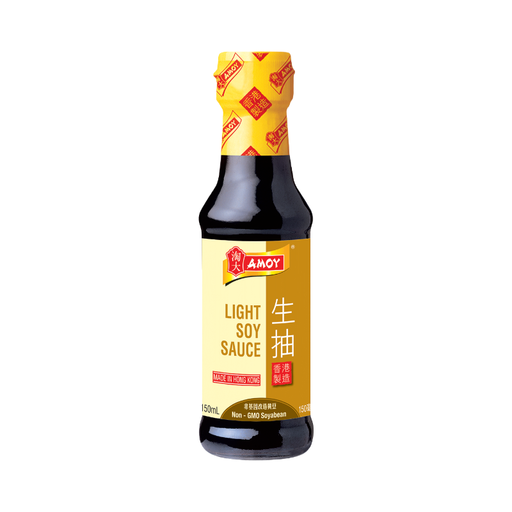
Why we chose it: It's the perfect starting point. This light soy sauce is a cornerstone for seasoning stir-fries, marinades, and dressings. It provides a clean umami flavour without overpowering other ingredients or darkening the dish.
It isn't marketed as a miracle sauce, but simply as what it is: a light soy sauce. Its ingredient list is clear, with soy listed right after water, which is standard for this type of product.
Its controlled versatility. It's the essential savoury and salty base for a myriad of Asian recipes, from Chinese to Japanese cuisine.
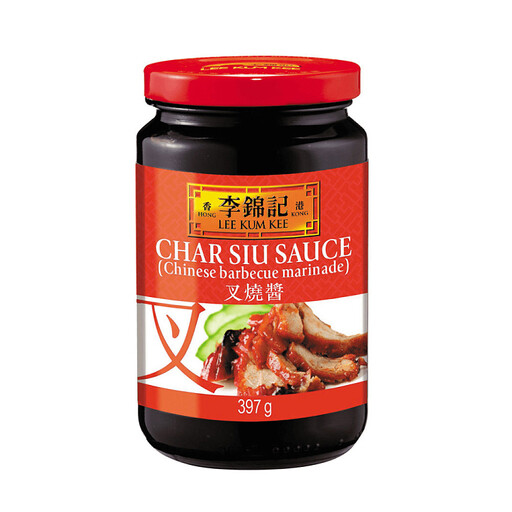
Why we chose it: To recreate the authentic taste of Cantonese BBQ pork (Char Siu) at home. Lee Kum Kee is THE global benchmark for Chinese sauces.
It's the antithesis of an "all-in-one" sauce. Its formula is designed for a single, iconic recipe, guaranteeing the characteristic sweet-and-salty profile and glazed texture.
Ready to use. It serves as both a marinade and a glazing sauce, which radically simplifies the preparation of a dish known for being complex.
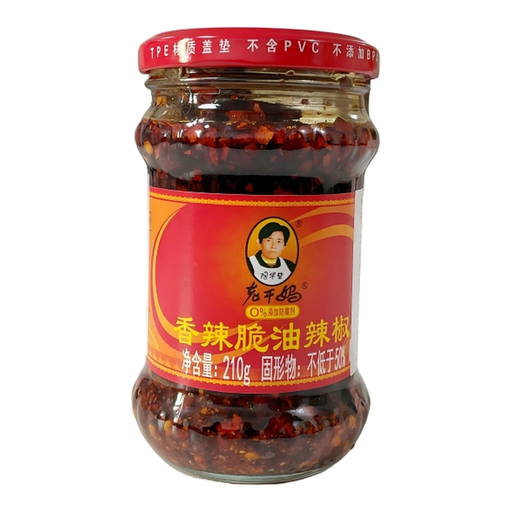
Why we chose it: For those looking for more than a sauce: a true experience. This iconic Chinese condiment delivers heat, deep umami, complex aromas, and above all, a completely addictive crispy texture.
It knocks out basic hot sauces (chilli + vinegar). Here, you get a complex blend of fragrant rapeseed oil, fried chillies, peanuts, and fermented soybeans for an explosion of flavour and texture.
Instant transformation. A single spoonful is enough to metamorphose a simple bowl of rice, noodles, fried eggs, or steamed vegetables. It's the Swiss Army knife of condiments, but with serious character.
We have put together a complete selection of products that meet our quality criteria and current regulations.
Light soy sauce is thin, quite salty, and amber in colour. It's the basic seasoning: it adds salt and umami without significantly darkening dishes (stir-fries, soups, dipping sauce for spring rolls). Dark soy sauce, on the other hand, is thicker, less salty, and has a sweeter, more caramelised taste thanks to molasses. It's used sparingly, mainly to give a beautiful mahogany colour to braised dishes and marinades.
Most soy- or fish-based sauces have a very long shelf life due to their high salt content. Once opened, they can last for several months in the refrigerator, sometimes even more than a year. For sauces containing fresh ingredients (garlic, chilli, herbs), it's best to consume them within 3 to 6 months. In any case, the best practice is to trust the instructions on the packaging and keep them refrigerated to preserve their aromas.
Yes, that's entirely possible, especially for quick marinades (30 minutes to 2 hours). So-called "wok sauces" are designed for fast cooking; they often contain sugar and starch, which helps to create a nice glaze. However, for a long marinade intended to tenderise meat, a simpler base (soy sauce, garlic, ginger, oil) will be more effective, as it will penetrate the fibres of the meat better.