
Livraison le jour même ou le lendemain

Qualité garantie

Débloquez vos offres de bienvenue: Livraison GRATUITE | Jusqu'à -80 % | 30 jours d'essai gratuits à JoyPlus
Téléchargez l'application
Overwhelmed by the Asian sauces aisle? Between fermented pastes, chilli oils, and umami-rich condiments, it's easy to get lost. Yet, these are the very treasures that transform an everyday dish into a true culinary experience, taking you on a journey to Japan, China, or Korea without ever leaving your kitchen.
Don't worry, we're here to guide you. Our product expert has done the legwork to help you choose the perfect condiments for your recipes and cravings, cutting through the marketing jargon and empty promises.
Before we get to our top picks, here are a few tips to ensure you make the right choice, whether you're shopping at an online Asian grocery store or in person.
The ingredient list is your best friend for judging a sauce's quality and flavour profile. Learn how to decode it.
You don't cook with a finishing sauce, and vice versa. Every condiment has its time to shine:
Often sold in large containers, these sauces have different storage requirements. A quick look at the label is essential. As a general rule, once opened, fermented pastes (gochujang, miso) and most sauces should be kept in the refrigerator to maintain their freshness and avoid any unpleasant surprises.
To whet your appetite, here are three gems that perfectly illustrate the diversity of Asian flavours, each serving a specific purpose in the kitchen.
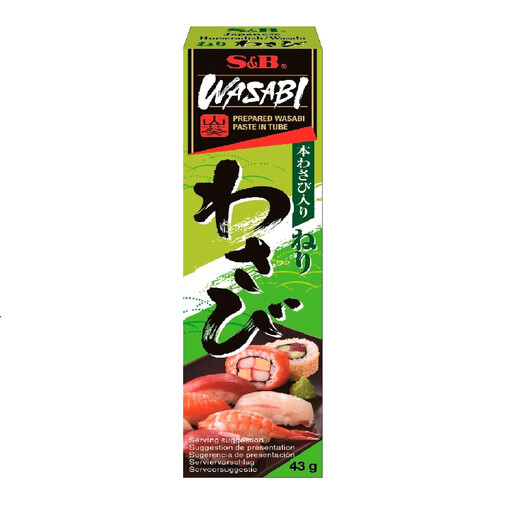
A staple of Japanese cuisine, this wasabi paste from the S&B brand is a classic for accompanying sushi, sashimi, or a bowl of soba.
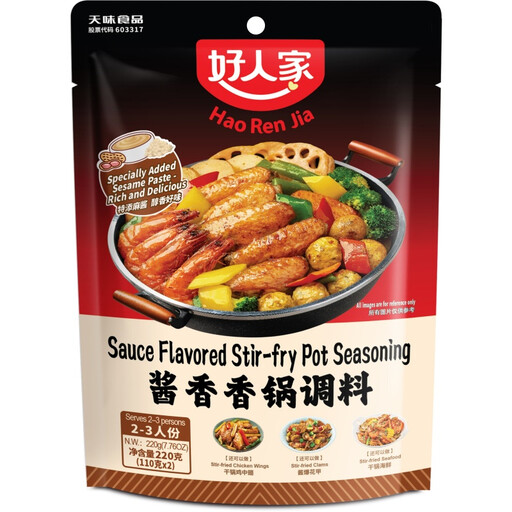
This stir-fry seasoning immerses you in the heart of Sichuan with its mala (麻辣) flavour profile, which is both spicy and numbing. It's the perfect base for making a "dry pot" (málà xiāngguō), a hugely popular stir-fried dish in China.
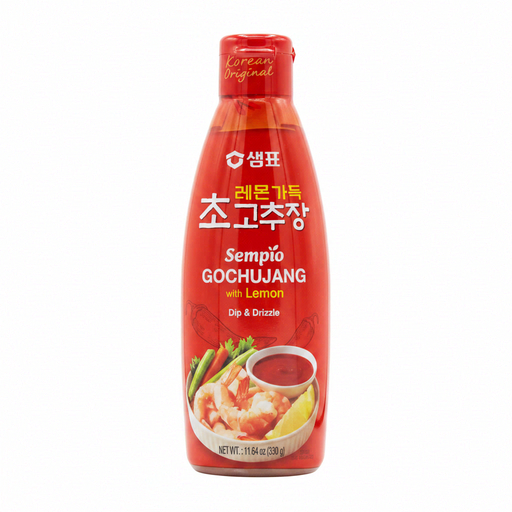
Gochujang is a pillar of Korean cooking. This version stands out with the addition of lemon, which brings a touch of freshness and acidity to the traditionally salty, sweet, and spicy flavour of this Korean chilli paste.
Our selection is just a taste of what's available. From chilli oils and premium soy sauces to rice vinegars and miso pastes, the treasures of Asian gastronomy are endless. Explore our full range to find your next favourite.
? Discover all our Asian condiments and sauces
Real wasabi comes from the grated stem of a plant, Wasabia japonica. It is rare, expensive, and has a delicate, fleeting flavour. Let's be clear: almost all "wasabi" pastes found in supermarkets are actually a mixture of horseradish, mustard, and food colouring. Their harsher, more direct heat has, for many consumers, become the standard.
Gochujang is a very concentrated paste, so it's rarely used pure. The key is to dilute it. For a quick marinade, mix it with sesame oil, soy sauce, garlic, and a touch of sugar or honey. You can also stir a spoonful into a broth to spice up a stew, or whisk it with rice vinegar and oil for an extraordinary salad dressing.
Not at all, and that's the real magic! The term "mala" (麻辣) describes two distinct sensations: "ma" (麻) is the slightly numbing tingle of the Sichuan peppercorn, while "la" (辣) is the heat of the chilli. A good mala sauce is the perfect balance between the two—a complex, addictive experience that's far more than just heat.