
Livraison le jour même ou le lendemain

Qualité garantie

Débloquez vos offres de bienvenue: Livraison GRATUITE | Jusqu'à -80 % | 30 jours d'essai gratuits à JoyPlus
Téléchargez l'application
The result can vary dramatically from one pack of Asian rice noodles to another. Thickness, ingredients and preparation method all play a decisive role. Noodles that are too thin may become soft in a wok, while a wider format can sometimes lack the flexibility needed for a light soup.
Another challenge for French shoppers is that packaging often highlights an origin or recipe without always clearly stating the soaking time, whether wheat is present or the quantity actually intended per serving. Before adding a product to your basket, it is therefore worth checking a few practical details.
Very fine rice vermicelli cooks quickly and works well in salads, spring rolls and soups. Formats from 2.5 to 10 mm offer more bite and are better suited to stir-fries. Using ultra-fine vermicelli for pad Thai can result in a texture that is too delicate, especially once the sauce has been added.
Rice is naturally gluten-free. However, this alone does not guarantee that a product contains no gluten: the recipe may include wheat starch, soy sauce containing wheat or other added ingredients. Gluten-free rice noodles should therefore be checked against the ingredients list and allergen declaration. For example, BAEKJE kimchi instant noodles contain wheat, soya, fish and crustaceans, meaning they are not suitable for a gluten-free diet.
Some noodles simply need rehydrating in hot water, while others must be cooked in a pan of boiling water. Cooking them for too long makes them mushy. Conversely, soaking them for too short a time can leave them stuck together and difficult to handle in the wok.
Fine Vietnamese rice noodles, such as Bun Tuoi, provide a delicate texture. Thai rice noodles measuring 5 or 10 mm will generally stand up better to thick sauces and handling in the wok. To avoid surprises, rely on the stated diameter rather than the packet photo alone.
A short recipe based on rice and water is easy to understand and suitable for many uses. The presence of tapioca, maize starch or additives is not necessarily a drawback: these ingredients can improve the noodles’ flexibility and ability to hold their shape.
If you have an allergy or follow a specific diet, check the relevant section on the packaging. Instant products may contain several sachets of sauce, oil or garnish, sometimes including soya, wheat, peanuts, sesame, crustaceans or sulphites.
A 200 to 250 g bag is suitable for a few meals, while a 375 to 500 g pack is more practical for a family or for preparing several portions. For a quick meal, Asian instant noodles in a bowl require very little equipment, but their seasoning can be particularly salty. Comparing the nutritional values per 100 g with the total pack weight makes it easier to compare formats objectively.
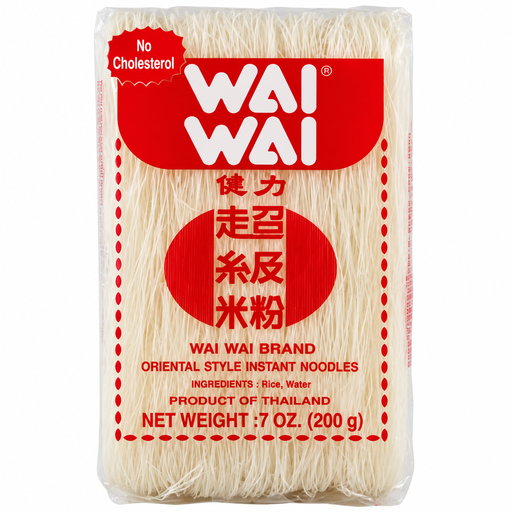
Why this product suits this profile: At 200 g, this pack is ideal for trying rice vermicelli without making a major commitment. The vermicelli cooks in boiling water in around two minutes and can also be used in a wok or soup.
The stated ingredients remain simple: 90 % rice and water, with no declared allergens. The instructions clearly specify a two-minute cooking time.
Fine vermicelli, listed as gluten-free on the product page, in a convenient 200 g pack that is easy to prepare.
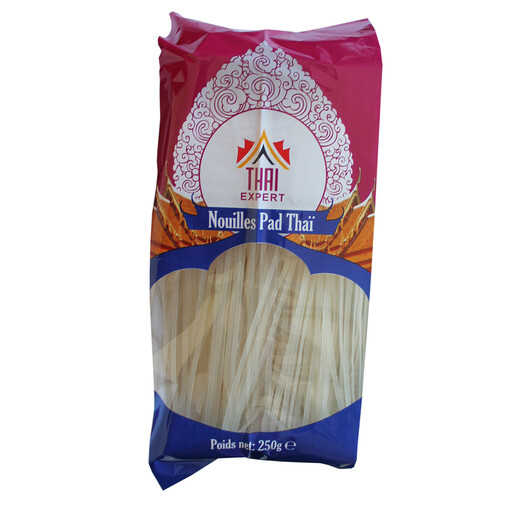
Why this product suits this profile: Anyone wanting to prepare authentic pad Thai noodles will find a format designed to absorb the sauce while standing up to being tossed with egg, tofu, prawns or beansprouts.
The recipe contains only rice and water, with no declared allergens. Soaking in hot water comes before cooking in the wok, reducing the risk of overcooking.
A 250 g pack, an origin stated as France and a format that is particularly well suited to saucy stir-fried recipes.
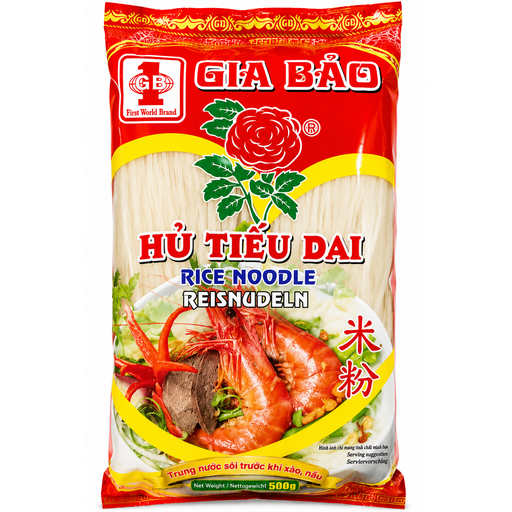
Why this product suits this profile: Its 2.5 mm diameter and 500 g pack make it suitable for families, batch cooking and recipes such as hu tieu, pho or wok dishes.
The diameter is clearly stated and the product is presented as suitable for soups, stir-fries and salads. The ingredients list contains no allergens.
A family-sized 500 g pack, a blend of rice flour and tapioca, and a stated fat content of 0 g per 100 g.
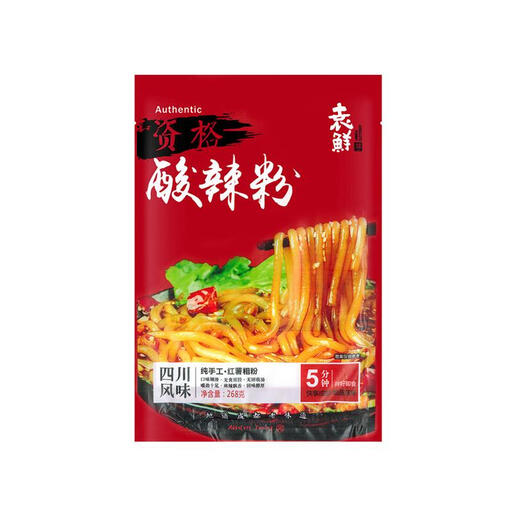
Why this product suits this profile: This instant vermicelli is ideal for busy days and for fans of hot and sour rice noodles. The separate sachets let you adjust the flavours to suit your taste.
The different sachets are clearly identified: sauce, vinegar, chilli oil and dehydrated vegetables. Peanuts and sesame are listed among the allergens.
Infusion-style preparation, a 268 g portion and an intensity that is easy to adjust by varying the amount of sauce and oil.
We have brought together a complete, real-time-updated selection of products that meet these demanding criteria and European safety regulations.
For rice noodles in soup, cook or rehydrate them according to the packet instructions, then add them to the broth fairly late to prevent them from breaking down. Formats intended for pho can be briefly rinsed before being added to the hot broth.
For rice noodles in a wok, soaking them beforehand generally produces better results. Drain them while they are still slightly firm, then finish cooking them with the sauce, vegetables and protein of your choice. This helps them retain their shape and texture.
Fresh noodles require a little more care: once opened, they should be kept in the fridge and eaten promptly, in line with the manufacturer’s instructions. Dried products can generally be stored in a cool, dry place away from moisture.
No. Noodles made solely from rice and water are generally presented as gluten-free, but some products contain wheat starch or seasonings based on soy sauce. Always check the ingredients list and allergen declaration before buying.
For pad Thai, a format of around 3 to 5 mm provides good stability in the wok. For pho, noodles measuring 1.2 to 3 mm are generally more suitable. However, the soaking time and cooking instructions on the packet remain decisive.
Seal the bag carefully or transfer the noodles to an airtight container, then store them in a dry place away from direct light. For fresh noodles and prepared instant products, follow the manufacturer’s instructions and eat them promptly after opening or preparation.