
Livraison le jour même ou le lendemain

Qualité garantie

Débloquez vos offres de bienvenue: Livraison GRATUITE | Jusqu'à -80 % | 30 jours d'essai gratuits à JoyPlus
Téléchargez l'application
Choosing a bag of Asian rice is about more than simply looking at the price. The variety, origin, texture and packaging all affect the result on your plate. Between the simple description “fragrant”, large bags and names such as Hom Mali, it is easy to pay more without choosing the rice that is genuinely suited to your recipes.
Before placing your order, three common mistakes are worth avoiding:
The length of the grain already gives you a useful indication:
The right choice depends as much on the recipe as on the rice’s origin and the consistency you want on the plate.
For one person or when trying a new variety, the 1 kg format reduces the risk of waste. A 5 kg bag is more suitable for a family or regular consumption. The 10, 18 or 20 kg formats are generally aimed at larger families, caterers, Asian food shops and restaurants.
To compare offers fairly, calculate the price per kilogram and take several factors into account:
A larger format is only worthwhile if the rice can be consumed and stored in suitable conditions.
In France and the European Union, check the essential information shown on the packaging:
Nutritional values may vary depending on the product and its packaging. It is therefore better to consult the product information and the label received rather than rely on a general claim associated with a particular variety.

Why this choice suits this profile : The 1 kg format lets you try Thai jasmine rice without committing to a large budget or taking up too much cupboard space.
The clearly displayed weight helps prevent you mistaking a small bag for a family-sized pack. The product information also states that the rice should be kept dry and resealed after opening.
Thai long-grain jasmine rice, with clearly stated ingredients and a practical 1 kg format.
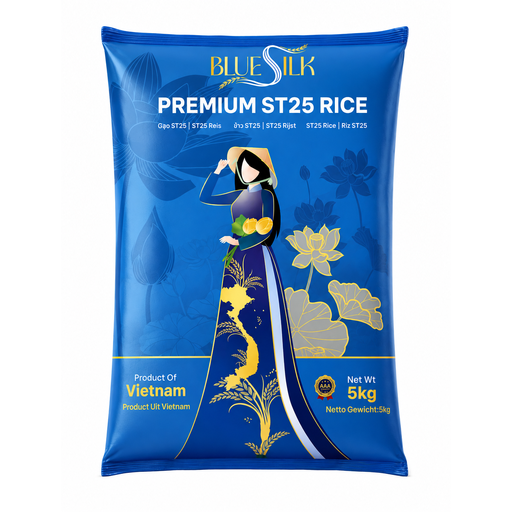
Why this choice suits this profile : The Vietnamese ST25 variety and 5 kg bag are aimed at enthusiasts looking for a more distinctive aromatic experience in family cooking.
The product information clearly identifies the variety, Vietnamese origin, net weight and the rinsing and resting steps after cooking.
100% Vietnamese rice in a 5 kg bag, with precise instructions to use one measure of rice to one and a quarter measures of water.
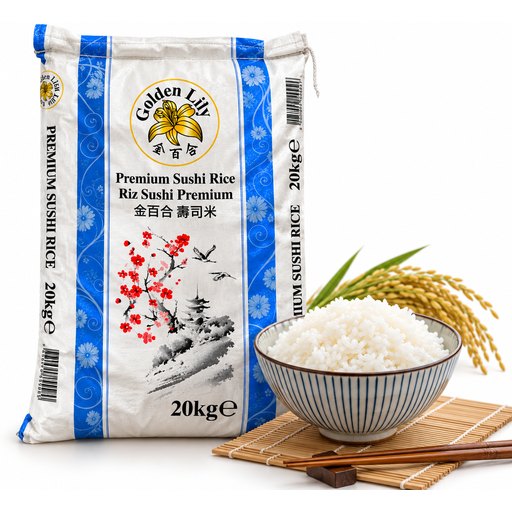
Why this choice suits this profile : This professional-sized format meets the needs of a restaurant, caterer or kitchen that regularly prepares sushi and rice bowls.
Its culinary use is clearly defined: this short-grain rice is designed to produce a soft, cohesive texture rather than a well-separated result like long-grain rice.
Short-grain rice in a 20 kg bag, suitable for sushi, maki, nigiri, onigiri and donburi.
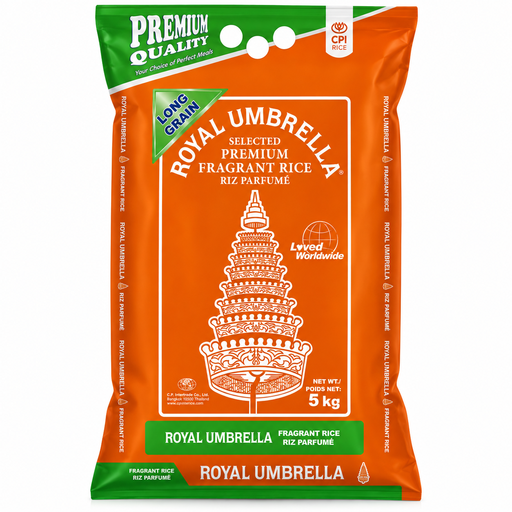
Why this choice suits this profile : The 5 kg bag is a good compromise for regular meals, without the storage demands of a pack intended for catering use.
The Cambodian origin and long-grain fragrant rice ingredients are clearly specified, making it easier to compare with Thai or Vietnamese rice.
A 5 kg format, fragrant long-grain rice and detailed information about its ingredients and storage.
We have brought together a complete, real-time updated selection of products that meet these exacting criteria and European food safety rules.
Rinse the rice according to the instructions on the packaging to remove some of the starch on the surface. The ratio of water to rice varies depending on the variety and cooking method: jasmine rice generally requires around 1 measure of rice to 1.2 to 1.5 measures of water, while sushi rice follows a different method.
After cooking, leave the rice to rest covered for a few minutes, then gently separate the grains with a fork or spatula. To store it, keep the bag in a cool, dry place away from direct light. Once opened, it is best to transfer the rice to an airtight container, particularly for 10, 18 or 20 kg bags.
Thai jasmine rice, Cambodian fragrant rice and certain long-grain rices are excellent with curries, stir-fries, meat and family meals. If you do not eat very much rice, choose a 1 or 5 kg format.
Jasmine rice and Hom Mali are generally associated with a soft texture and floral aroma. Basmati produces finer, more separate grains after cooking. The best choice therefore depends on the recipe and the texture you are looking for.
Gradually transfer the rice into one or more clean, airtight containers. Store them away from moisture, heat and strongly scented foods. Always check the best-before date and the recommendations shown on the packaging.