
Livraison le jour même ou le lendemain

Qualité garantie

Débloquez vos offres de bienvenue: Livraison GRATUITE | Jusqu'à -80 % | 30 jours d'essai gratuits à JoyPlus
Téléchargez l'application
The term "Asian rice cake" covers an incredible diversity of products, from ultra-crispy snacks to the staple ingredient of a simmered dish. This variety can quickly lead to confusion and disappointment. Thought you were buying a cracker for an appetiser and ended up with a dense block that needs to be cooked? Or that snack marketed as "light" turned out to be a sugar bomb?
As a Product Expert at Joybuy, my mission is to help you see things more clearly. Let's break down the common mistakes to avoid and the essential criteria to ensure your next visit to an online Asian grocery store is a complete success.
Navigating the world of rice cakes isn't always straightforward. Here are the two most common mistakes that can ruin the experience.
To ensure you never make a mistake again, ask yourself these two fundamental questions before you check out.
This is THE first question to ask. Your need defines the product.
Once you've defined the use, refine your choice by analysing the label.
To help you take the plunge, here are a few products that suit different needs, based on the criteria we've discussed.
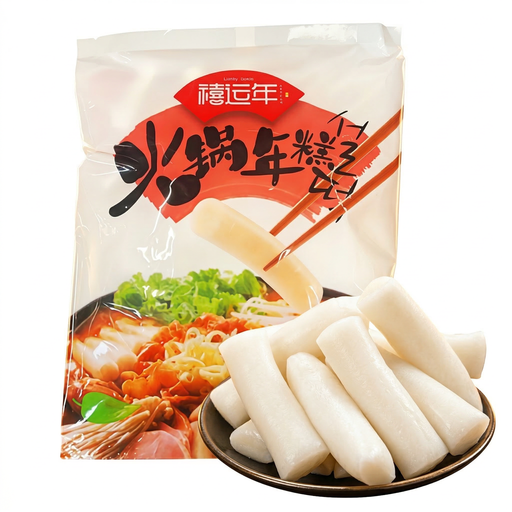
Why we chose it: The ultimate authentic and convenient ingredient for making homemade Asian dishes, like Chinese hot pot or spicy Korean stir-fries. The stick format is particularly well-suited.
This product is clearly intended for cooking. It's impossible to confuse it with a ready-to-eat snack. Its texture is designed to become soft when cooked without falling apart.
Its ability to absorb the flavours of the broth and its texture that holds its shape well make it an excellent hot pot rice cake. Freezing ensures a long shelf life.
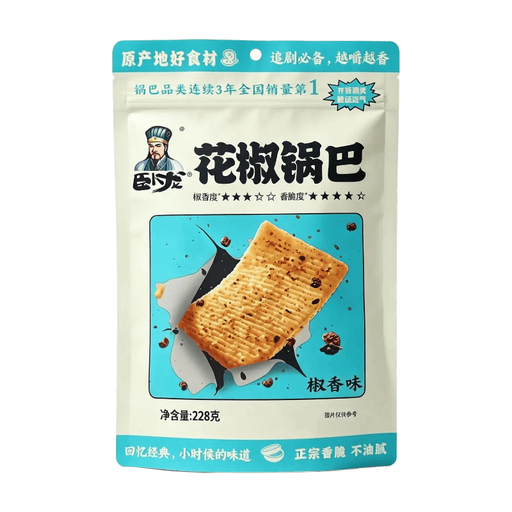
Why we chose it: For the curious who are looking for an Asian snack with character. The unique taste of Sichuan pepper, with its famous, slightly numbing sensation, is ideal for an appetizer with a surprising twist.
Clearly identified as a crispy "cracker," it also highlights its low-temperature baking (non-fried), which alleviates concerns about it being too greasy.
Made with over 60% millet, it stands out with its unique grain base. The peppery and aromatic flavour is complex and pronounced.
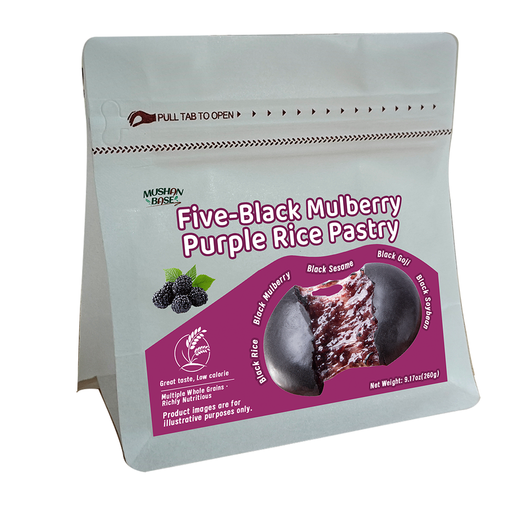
Why we chose it: Ideal for those who want a soft, chewy, and ready-to-eat snack, somewhere between a cake and a mochi. The individual packaging makes it the perfect companion for a sweet break at the office or on the go.
The description "soft and chewy texture" and "ready to eat" leaves no doubt about its use. It also addresses the "sugar" issue by using maltitol syrup instead of regular sugar.
Its "five black ingredients" recipe (black sesame, mulberry, black rice...) gives it a unique nutritional profile. The individual packaging is a real plus for daily convenience.
We've curated a complete, up-to-date selection of products that meet our quality standards and current regulations.
It all depends on the type of product. Puffed rice crackers and other dry snacks should be stored in a cool, dry place, away from moisture. Once the package is opened, transfer them to an airtight container to keep them perfectly crispy. Conversely, fresh or frozen rice cakes for cooking must be kept in the refrigerator or freezer at -18°C, following the instructions on the packaging.
Absolutely not, and this is a critical point. Tossing a crispy snack or a sweet cake into a hot broth would be a disaster: the former would turn to mush, while the latter would completely alter the flavour of the dish. For a hot pot, stir-fry, or soup, you must use a hot pot rice cake specifically designed for cooking. Its composition allows it to become soft and chewy without disintegrating, all while soaking up the flavours of the dish.
Although they share a glutinous rice base, each has its own unique character. Chinese nian gao is often dense and comes in sweet versions (steamed for dessert) or savoury ones (stir-fried in slices). Korean tteok, especially in its cylindrical form (tteokbokki), is famous for its very chewy texture and is the star of many spicy street food dishes. Finally, Japanese mochi, known for its ultra-soft and stretchy texture, is most often a sweet confectionery, sometimes filled with red bean paste.