
Livraison le jour même ou le lendemain

Qualité garantie

Débloquez vos offres de bienvenue: Livraison GRATUITE | Jusqu'à -80 % | 30 jours d'essai gratuits à JoyPlus
Téléchargez l'application
Asian cuisine, with its complex flavours and unique textures, has firmly won a place on our plates. But the secret to a successful dish often lies in its most humble ingredient: rice. Choosing the right Asian rice or its derivatives can be the difference between a mediocre home-cooked meal and a true culinary journey. Faced with shelves overflowing with options in supermarkets and specialty stores alike, it's easy to make a mistake and end up with a disappointing dish.
As a Product Expert at Joybuy, my mission is to guide you through this maze of choices. Let's break down the common mistakes to avoid and the essential criteria to ensure your next purchase is a complete success.
Before you fill your basket, watch out for these three classic mistakes that can ruin the texture and taste of your dishes.
To make the right choice, focus on these key points that define a product's quality and intended use.
The shape and composition of the rice grain determine how it behaves during cooking and its suitability for a recipe.
Geographical origin is a true guarantee of authenticity. A jasmine rice from Thailand or Cambodia will never have the same aromatic profile as a variety grown elsewhere. To recreate a dish authentically, choosing a rice or rice product from its country of origin is the best approach. It's an easy criterion to check on the packaging and it makes all the difference in taste.
For fresh or semi-fresh products like rice cakes for tteokbokki, vacuum-sealed packaging is an excellent indicator of quality. It preserves the texture and protects the product from oxidation. For dry rice, a well-sealed, opaque bag protects it from moisture and light, which preserves its aromas for longer. A reputable online Asian grocery store will always pay close attention to these details.
To help you see these criteria in action, here are a few options tailored to specific needs.
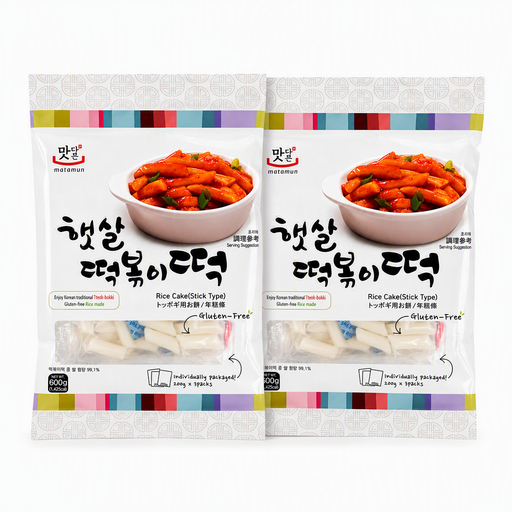
Why it's a great choice: Perfect for making tteokbokki, the star dish of Korean street food. These rice cakes are specifically designed for this recipe, guaranteeing the firm yet elastic ("chewy") texture that is so characteristic.
It avoids the common mistake of using Chinese rice cakes (nian gao) or another substitute, which don't offer the same chewiness. This is the authentic product for a result true to the original.
Made with 99% rice for an authentic texture. The vacuum-sealed packaging preserves the freshness and softness of the cakes.
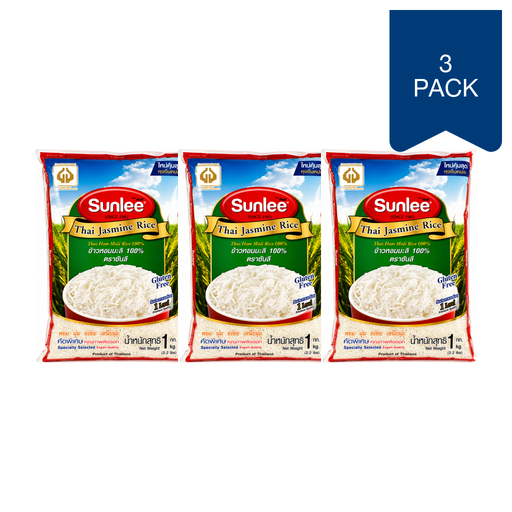
Why it's a great choice: Jasmine rice is a pillar of Southeast Asian cuisine. This highly versatile 1 kg format is practical for regular use without cluttering your cupboards. It's perfect for accompanying your curries, stir-fries, and everyday dishes.
This is 100% Thai jasmine rice, which helps you avoid the trap of generic "fragrant rice". You can be sure you're getting the characteristic floral aroma and tender texture you expect.
Certified Thai origin for an authentic taste. Naturally gluten-free, it suits many dietary needs.
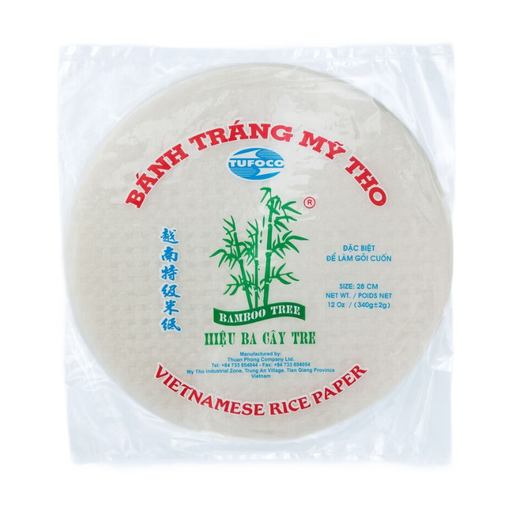
Why it's a great choice: Essential for making fresh spring rolls (g?i cu?n) or fried spring rolls (nems). Its large 28 cm diameter makes rolling much easier and allows for a generous filling without tearing.
No more rice papers that are too small or brittle. The rice flour and tapioca blend is optimised here to create a flexible, translucent, and strong wrapper once rehydrated.
The large 28 cm size is a real plus for easy rolling. The texture becomes perfectly supple and elastic, with no risk of tearing.
We have curated a complete selection of products that meet our quality criteria and safety standards.
Although they are both long-grain, fragrant rices, their profiles are very different. Jasmine rice, which mainly comes from Southeast Asia (Thailand, Cambodia, Vietnam), has a floral aroma and a slightly stickier, more tender texture. Basmati rice, originating from the Indian subcontinent, offers a nutty fragrance, and its grains remain very long, thin, and perfectly separate after cooking. The former is a staple of Thai cuisine, while the latter is central to Indian and Pakistani cuisines.
For dry rice (jasmine, basmati, sticky), an airtight container stored away from light, heat, and moisture is ideal. The same goes for dry rice noodles and rice vermicelli. For fresh products like tteokbokki rice cakes, once the package is opened, they must be kept in the refrigerator and consumed within a few days. As for Vietnamese rice paper, keep it in its well-sealed bag to prevent it from becoming brittle.
Yes, it's even recommended in most cases. Rinsing rice (especially jasmine and basmati) in cold water until it runs almost clear removes excess surface starch. This is a crucial step for getting well-separated grains and avoiding a pasty result. For sticky rice, rinsing is even followed by several hours of soaking, which is essential for proper cooking. The best advice is always to read the instructions on the package: some enriched rices, for example, should not be rinsed.