
Livraison le jour même ou le lendemain

Qualité garantie

Débloquez vos offres de bienvenue: Livraison GRATUITE | Jusqu'à -80 % | 30 jours d'essai gratuits à JoyPlus
Téléchargez l'application
Standing in the global rice aisle, it's easy to feel a little overwhelmed. Sticky rice for sushi, fragrant rice for a Thai curry, or a nutritious blend for a healthy meal—every recipe calls for a specific grain. So how do you make the right choice, whether you're shopping in-store or online?
This guide is here to help. As a product expert at Joybuy, I'm sharing my top tips for choosing and buying rice online that will elevate your dishes.
Before we dive into our top picks, here are the key factors to consider to ensure you make the right choice.
The shape of the rice grain is the primary indicator of its texture once cooked.
Your recipe is your best guide. Sushi rice will produce a poor result in a biryani, and vice versa.
Buying in bulk can be very cost-effective, especially if you consume rice regularly or for professional use. 10 kg or 20 kg bags often have a much more attractive price per kilo. For occasional use or to try a new variety, a 1 kg package is a more sensible choice.
Here are our recommendations, selected for their quality and suitability for the dish you're preparing.
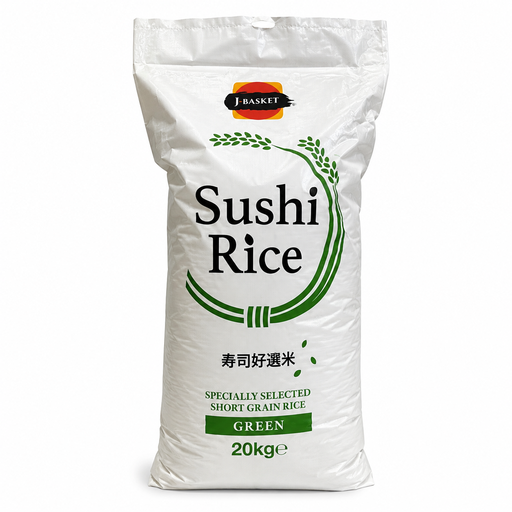
Why it stands out: This is THE benchmark for anyone wanting to prepare authentic, high-quality sushi. Its generous 20 kg size is perfect for restaurateurs or large families passionate about Japanese cuisine.
Key features:
Who is it for? Ideal for restaurants and caterers, as well as for enthusiasts who frequently host sushi nights and need a reliable product in a large quantity.
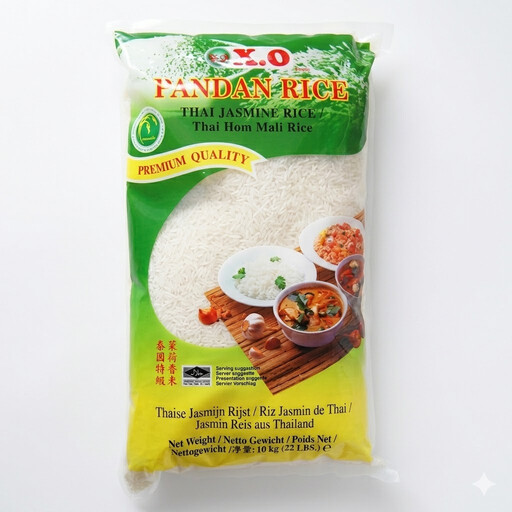
Why it stands out: This premium jasmine rice, or Hom Mali, is renowned for its natural, delicate fragrance that is released during cooking. It's a cornerstone of Thai cuisine.
Key features:
Who is it for? For fans of Southeast Asian cuisine looking for an authentic, fragrant rice to elevate their dishes. The 10 kg size is well-suited for regular family consumption.
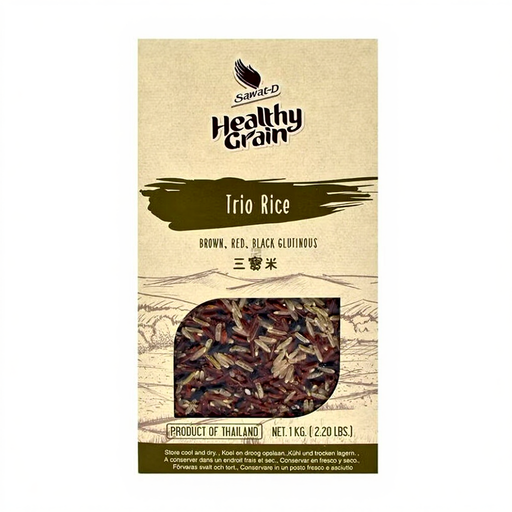
Why it stands out: This whole grain rice blend is an excellent alternative to white rice. It combines brown rice, red rice, and black sticky rice for a medley of flavours, textures, and health benefits.
Key features:
Who is it for? For health-conscious individuals, athletes, or simply anyone curious to add variety and discover different textures and tastes.
Our selection is just a glimpse into the vast world of Asian rice. If you're specifically looking for a short-grain rice for rice pudding or an Asian dessert, be sure to explore our full range.
? Discover our short-grain rice category
Yes, it's almost always necessary. Rinsing the rice under cold water until the water runs clear removes excess surface starch. This is a key step to get non-sticky grains (for jasmine rice) or the ideal texture for sushi. For some whole grain rices or blends, simply follow the package instructions.
Although both are long-grain, fragrant rices, they come from different regions and have distinct characteristics. Jasmine rice comes from Southeast Asia (mainly Thailand); it is softer, slightly sticky, and has a floral aroma. Basmati rice, native to the Indian subcontinent, has even longer and finer grains, a drier texture, and a nutty fragrance.
To keep your rice fresh, especially in large bags, store it in an airtight container away from light, heat, and moisture. A cool, dry kitchen cupboard is perfect. This will protect it from pests while preserving its aroma for longer.