
Livraison le jour même ou le lendemain

Qualité garantie

Débloquez vos offres de bienvenue: Livraison GRATUITE | Jusqu'à -80 % | 30 jours d'essai gratuits à JoyPlus
Téléchargez l'application
Asian rice-based products serve very different purposes: snacking, preparing spring rolls, summer rolls, soups, stir-fries or tteokbokki. But an attractive presentation doesn’t always guarantee the right choice. Wrong size, hard-to-spot allergens or texture that deteriorates quickly – some purchases can quickly turn into disappointment.
Here are the points to check before ordering, along with a selection designed for different types of shoppers in the UK.
The term ‘rice cake’ can refer to dried rice paper, used for spring rolls and summer rolls, or rice cakes that need cooking, like those used in tteokbokki. These two products have completely different textures and preparation methods.
A 22 cm rice paper is ideal for individual portions and small rolls. With a 28 cm diameter, you’ll have more room for vermicelli, vegetables and proteins. 31 cm sheets can be useful for larger portions or frequent use, but they also need a bigger work surface.
Diameter alone, however, tells you nothing about the sheet’s flexibility. The ingredients – particularly the ratio of rice flour to tapioca – play a decisive role in how well it holds together after soaking.
Some crackers contain soya, wheat, milk or fish, even when rice is the main ingredient. A rice cake may also carry a ‘may contain traces of gluten-containing cereals’ warning, depending on its production environment.
Once opened, snacks should be stored in a tightly sealed packet. Dry rice paper doesn’t like humidity: it can become sticky or, conversely, brittle. Vacuum-packed rice cakes should be stored according to the instructions on the packaging.
For rice paper intended for spring rolls and fresh summer rolls, check the diameter:
Square sheets can also simplify certain recipes and reduce waste when folding.
A short ingredient list makes it easier to understand what you’re buying. For Vietnamese rice paper, you’ll typically find rice flour, tapioca, water and salt. Tapioca adds flexibility, while rice flour forms the cereal base and contributes to the flavour.
For snacks, compare the amounts of salt, fat and sugar per 100 g. These values make it easier to compare products of different sizes. They won’t predict your personal preference, though: a spicy, salty or honey-flavoured cracker suits different occasions.
Rice paper is briefly dipped in warm or room-temperature water, then used straight away. Soaking it for too long makes it soft and difficult to handle. For rice cakes, follow the manufacturer’s instructions: rinsing, possible soaking and thorough cooking.
Also consider the net weight. A 340 g packet is fine for occasional use, while a 500 g, 1 kg or 600 g pack is better suited to families and regular cooks.
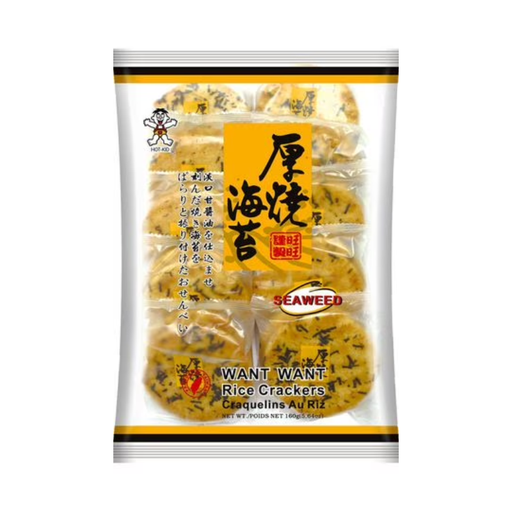
Why this suits this profile: Ready to eat, this snack offers a simple introduction to Asian rice crackers, with no preparation or special utensils needed.
At 160 g, it lets you try the flavour before committing to a larger pack. The presence of fish, soya and wheat is clearly stated in the allergen list.
A ready-to-eat snack, flavoured with seaweed, in a 160 g bag that should be stored in a dry place.
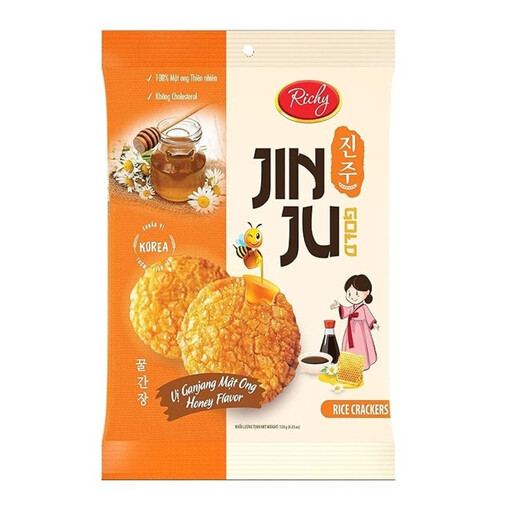
Why this suits this profile: Its honey and soy sauce seasoning, combined with a really crunchy texture, offers a more refined snacking experience.
The 100 g format reduces the risk of losing its crunch after opening. The allergens – soya and gluten – are clearly labelled.
The ingredients list Japanese Japonica rice, with individually wrapped portions and a sweet-savoury flavour profile.
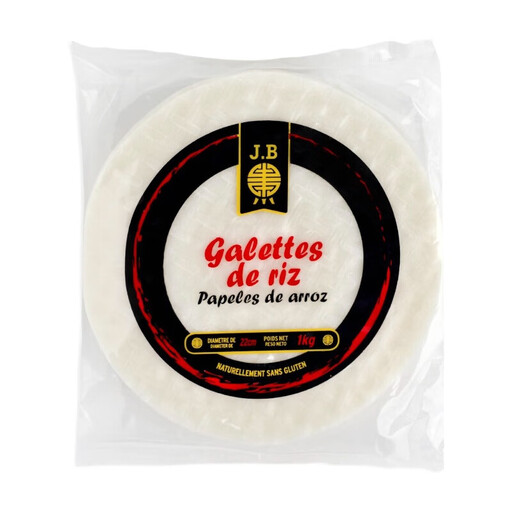
Why this suits this profile: The 1 kg pack is ideal for families, frequent meals and repeated batches of rolls or wraps.
Its 22 cm diameter is versatile, and the ingredients clearly distinguish tapioca from rice flour. After opening, the sheets will need to be kept dry.
A 1 kg pack, made with 40% rice flour and 47% tapioca starch, stated to be free from the main allergens.
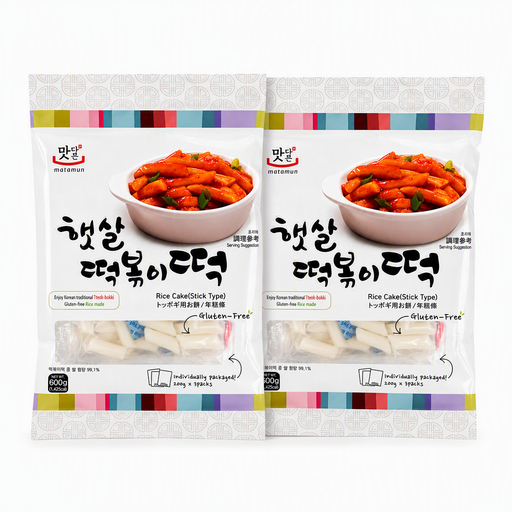
Why this suits this profile: These Korean rice cakes are designed for saucy dishes, especially tteokbokki, but can also be used in certain soups and stir-fries.
Its culinary purpose is clearly stated. These are not sheets for spring rolls: rinse the cakes before simmering them in the sauce.
A composition stated as 99% rice, a 600 g pack and origin listed as South Korea.
We’ve put together a comprehensive, real-time updated list of products that meet these strict selection criteria and European safety regulations.
22 cm rice paper works well for most home cooking. For more generously filled rolls, 28 cm sheets give you more surface area. 31 cm sheets are better suited to large portions or regular use.
Transfer them to an airtight container or reseal their packet carefully. Keep them in a cool, dry place away from direct light. This will preserve their crunchiness without changing the shelf life stated on the packaging.
The rice cakes themselves can be made mainly from rice, salt and water. However, do check the full ingredients list of the product you choose, then prepare the sauce with ingredients that suit your diet. Gochujang, broth and toppings may contain animal-derived ingredients or allergens.