
Livraison le jour même ou le lendemain

Qualité garantie

Débloquez vos offres de bienvenue: Livraison GRATUITE | Jusqu'à -80 % | 30 jours d'essai gratuits à JoyPlus
Téléchargez l'application
Buying Asian products online gives you access to items that are rarely available in general retailers in France: Asian snacks, Chinese food, Korean products, hot pot ingredients, dried seaweed and kitchen utensils. The downside is that the range can sometimes be so extensive that comparing products effectively becomes difficult.
Certain mistakes are particularly common:
The best approach is therefore to start with how you intend to use the product, then carefully examine the mandatory information shown on the product page and packaging.
For Asian snacks, look at the order of the ingredients: they are generally listed in descending order by proportion. Three Squirrels freeze-dried coconut flakes, for example, contain 97% coconut and 3% added sugar. This is useful information for distinguishing them from a very sugary or heavily flavoured blend.
Allergens must also be taken into account. Soya may be found in jujube slices, seasoned konjac or spicy gluten-style preparations. Sulphites, meanwhile, may be present in certain seaweeds, lotus roots, radish slices and various pickled preparations. Anyone affected must check the full labelling carefully before consuming the product.
The statement ‘store at -18 °C or below’ means that the product must be delivered and then stored in the freezer. This applies in particular to beef and lamb slices intended for hot pot. Once thawed, they must not be refrozen and must be cooked before eating.
By contrast, Korean rice cakes stored at room temperature, Asian dried fruit, dried seaweed and certain Asian condiments should be kept in a cool, dry place. Once the packet has been opened, several products must be sealed carefully, placed in the fridge or consumed quickly.
An 80 g packet of pre-cut dried seaweed is suitable for regular use in soup or salads. A 454 g pack of pickled ginger is better suited to a household that cooks frequently, a shared meal or professional use.
Also remember to check the preparation instructions: some products are ready to eat, such as hot pot-flavoured konjac slices, while others need to be cooked. TianNiao prawn crackers, for example, must be placed in oil heated to between 160 and 180 °C to make them puff up. This distinction can make all the difference if you are looking for a product that is ready to use every day.
For kitchen utensils, dimensions, material and safety instructions matter at least as much as the price. An adjustable mandoline with settings from 1 to 9 mm offers several slicing thicknesses, but its blades mean that you must always use the finger guard and wash it carefully.
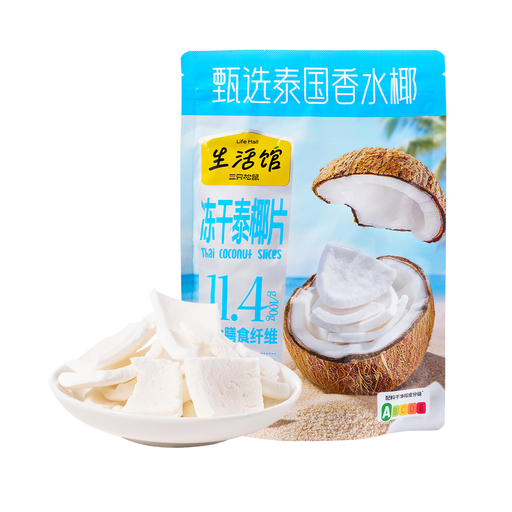
Why this choice suits this profile : At 100 g, this easy-to-store, ready-to-eat snack lets you discover Asian flavours without having to plan a recipe.
The composition is clear: 97% coconut and 3% sugar. The product is not fried and can be eaten straight after opening.
A crisp texture, a short ingredients list and storage at room temperature in a dry place.
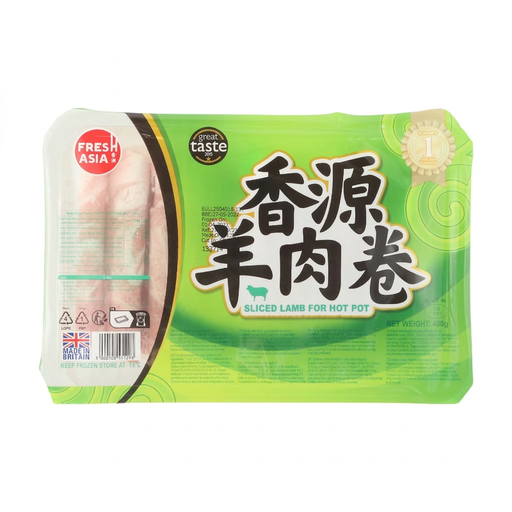
Why this choice suits this profile : These slices are ideal for sociable meals, but can also be used in soup, in a frying pan or on the barbecue.
The product page states that it is made from 100% lamb and specifies storage at -18 °C or below. However, the product must be cooked thoroughly before consumption.
A 400 g pack, thin slices and cooking guidance suited to hot pot, soup and pan cooking.
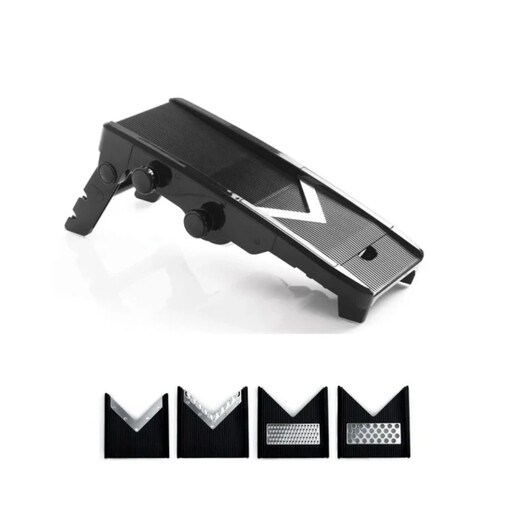
Why this choice suits this profile : This utensil is designed for people who regularly prepare vegetables, fruit, salads or side dishes inspired by Asian cuisine.
The specifications are precise: six stainless steel blades, an adjustment range of 1 to 9 mm and dimensions of 34 × 15 × 11 cm. The finger guard remains essential.
Adjustable thicknesses, slicing, grating and julienne-cutting functions, with a structure combining plastic and stainless steel.
We have selected a complete, regularly updated range of products that meet these demanding criteria, while also taking European safety regulations into account.
To put together a well-balanced basket, pair a main ingredient with a side dish. Korean rice cakes can be served with a spicy sauce, Ottogi dried seaweed works just as well in soup as in a salad, while pickled ginger is traditionally served with sushi.
Hot pot preparations require a little more planning: make sure you have enough space in the freezer for the meat, then thaw it according to the manufacturer’s instructions. Ready-to-eat products, such as fruit slices or spicy snacks, are easier to transport. However, their sugar, salt and additive content is still worth comparing.
The same principle applies to everyday items. Gillette Fusion5 razor blades, for example, must be compatible with the handle you use. Refills advertised as compatible with Fusion5 handles feature five blades, a precision trimmer and a lubricating strip. The blade is particularly sharp, so keep it out of children’s reach.
Ready-to-eat snacks, pre-cut seaweed, pickled ginger and Korean rice cakes are easy to use and do not require any special equipment. Start with smaller formats and check the allergens before buying a wider range of products.
Dry products should be stored in a cool, dry place away from light. Frozen foods must be kept at -18 °C or below. Once opened, follow the instructions on the packaging: some products need to be refrigerated and consumed quickly.
It depends on the format, storage method and delivery costs. Compare the price per weight, the amount you can actually consume and the shelf life. A large pack is only good value if your household uses the product regularly.