
Livraison le jour même ou le lendemain

Qualité garantie

Débloquez vos offres de bienvenue: Livraison GRATUITE | Jusqu'à -80 % | 30 jours d'essai gratuits à JoyPlus
Téléchargez l'application
Looking for an Asian plum wine to serve with dessert, mix into a cocktail or discover an unusual Japanese or Chinese drink? At first glance, the choice seems simple. However, these names cover very different products. Japanese umeshu, fermented fruit wine and Chinese rice wine vary in alcohol content, texture and serving suggestions.
Before ordering online, there are three pitfalls to avoid.
To choose a Japanese plum wine, start by identifying its category:
This distinction will help you avoid buying a Chinese rice wine when you are looking for something highly fruity, or a concentrated liqueur when you would prefer something lighter.
The alcohol content shown in % vol. helps you anticipate the mouthfeel and the best way to serve the drink. Available products may range from around 8,5 % vol. to nearly 20 % vol.
Bottle size also matters: a 330 ml bottle is ideal for trying different options, while a bottle of 700 ml or more is better suited to regular enjoyment or sharing with a meal.
An Asian sweet wine may offer pronounced acidity, stone notes, ripe fruit or honey flavours. To refine your choice, pay attention to the information provided:
For cooking, always check that the product is intended for drinking rather than being a simple mirin-style seasoning. Mizkan Hon Mirin and WanJaShan Mirin, for example, are Japanese condiments that are useful in sauces and marinades, but they should not be confused with plum sake or a liqueur intended for drinking.
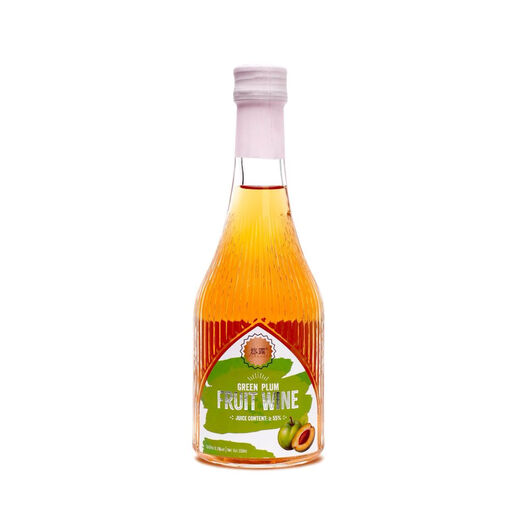
Why this choice suits this profile : Its individual 330 ml size and 8,5 % vol. alcohol content make it a gentle introduction to Chinese fruit wine, without starting with a highly alcoholic bottle.
The product information specifies a green plum and honey base, with more than 55 % juice. These are useful details that go beyond simply describing the drink as ‘fruity’.
Green plum, honey, light acidity and a recommendation to serve well chilled. Natural sediment may be present.
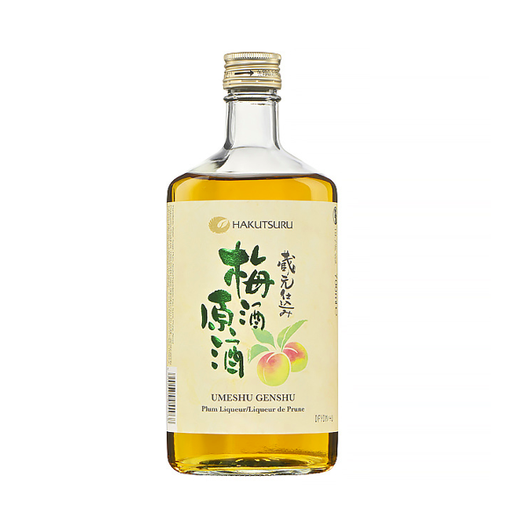
Why this choice suits this profile : This 70 cl Japanese liqueur has an alcohol content of 19,70 % vol. It is best savoured mindfully, neat, over ice or in a cocktail.
Its fruit liqueur classification and alcohol content are clearly stated, so it cannot be mistaken for a light wine.
Japanese origin, advertised notes of plum and apricot, and suitable for serving over ice or in a cocktail.
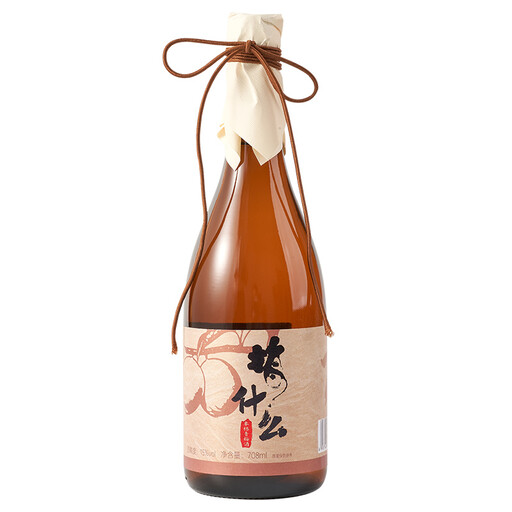
Why this choice suits this profile : Its 708 ml size, 15 % vol. alcohol content and option to serve it with sparkling water make it suitable for meals and regular tasting sessions.
The ingredients include glutinous rice, japonica rice, green plums, rock sugar and wine yeast, with no advertised added colourings or flavourings.
Whole plums macerated in the drink, a stated balance between acidity and sweetness, and suitable for serving chilled, over ice or with sparkling water.
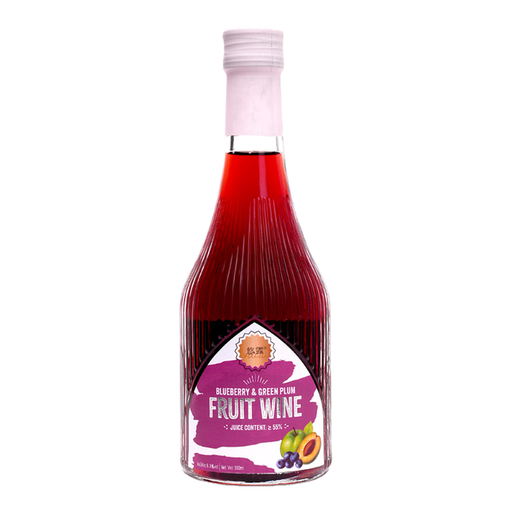
Why this choice suits this profile : Its combination of blueberry and green plum offers plenty of pairing options with desserts, fresh fruit or a well-chilled aperitif.
The product information distinguishes between blueberry juice, green plums, honey and the 8,5 % vol. alcohol content. Natural sediment may appear as a result of fermentation.
Advertised juice content of more than 55 %, a fruity profile combining blueberry and plum, and a convenient 330 ml size.
Serve plum liqueur chilled or slightly tempered, depending on how rich it is. Versions around 8,5 % vol. are generally best served well chilled, while a more concentrated Japanese umeshu can be enjoyed over ice, topped up with sparkling water or mixed into a cocktail.
In cooking, a small amount can add depth to a sauce, marinade or dessert. Shaoxing wine, meanwhile, is mainly used in savoury Chinese recipes. Depending on the product instructions, it may also be served slightly warmed.
After opening, follow the label’s instructions: some fermented rice wines must be refrigerated and consumed within the following few days, or even within 24 hours for certain products. Keep bottles away from heat and light. These drinks are for adults only and should be consumed in moderation. Alcohol should be avoided during pregnancy.
Japanese umeshu is generally a liqueur made from ume plums. Its sweetness and alcohol content are often more pronounced. Chinese plum wine may be a fermented drink made from plums, rice, honey and yeast, with a lighter profile depending on the recipe.
It can be served neat in small quantities, over ice, well chilled or topped up with sparkling water. Before choosing how to serve it, check its alcohol content and sugar level.
It depends on the product. Drinks containing rice or sediment from fermentation often need to be refrigerated after opening and consumed quickly. Always check the label and the date shown on the packaging.