
Livraison le jour même ou le lendemain

Qualité garantie

Débloquez vos offres de bienvenue: Livraison GRATUITE | Jusqu'à -80 % | 30 jours d'essai gratuits à JoyPlus
Téléchargez l'application
Looking to add a little kick to your plate? A simple bowl of rice or noodles can become a feast of flavors with the right accompaniment. But when faced with the endless variety of Asian pickled vegetables, it's easy to feel a bit lost. Between fermented Korean kimchi, crunchy Chinese pickled vegetables, and the intense condiments of Sichuan, how do you discover the hidden gem that will transform your dishes?
As a product expert at Joybuy, my mission is to guide you through the treasures of the Asian pantry. In this guide, I'll share my tips for choosing truly authentic pickled vegetables, along with a selection of ready-to-use gems to elevate your home-cooked meals in an instant.
To find the perfect condiment for your palate and your recipes, here are the key points to check.
Asian condiments offer an incredibly wide range of tastes.
As a general rule, a short ingredient list is a sign of quality. Prioritize basic ingredients like cabbage, chili, garlic, ginger, or rapeseed oil. Brands known for their adherence to traditional recipes are also a safe bet for experiencing authentic flavors. The presence of specific ingredients, like Sichuan peppercorns or fermented soybeans, often indicates a distinct regional recipe.
Some pickled vegetables are meant to be enjoyed as is, straight from the jar. Others work wonders when incorporated into stir-fries, soups, or fillings. If you plan to cook with them, make sure the product holds up well to heat. Oil-based condiments, for example, are perfect for this: they release their full aroma when heated.
To get you started, here is our selection of four gems with distinctly different profiles, all available in our online Asian grocery store.

What makes it special: Lao Gan Ma is THE iconic brand in China, famous for its incredibly fragrant chili oil. This version features brined mustard stems, delivering an unbeatable crunch and a perfect balance of spicy, salty, and umami flavors.
Highlights:
Who is it for? For lovers of authentic Chinese flavors looking for a spicy condiment that is crunchy, flavorful, and perfect for everyday use.
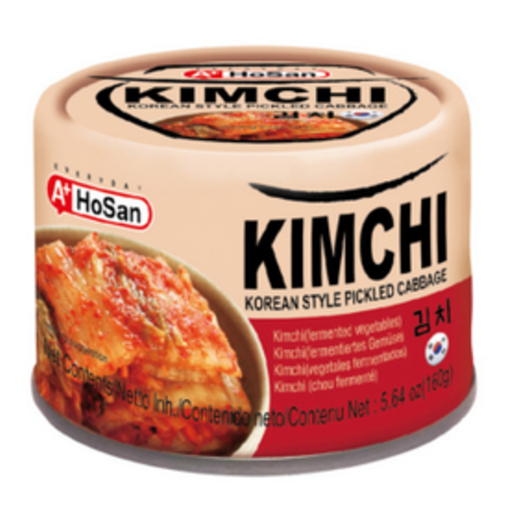
What makes it special: This Korean kimchi offers the classic fermented flavor of cabbage, enhanced with chili, garlic, and ginger. It's an excellent introduction to the world of banchan (Korean side dishes), with a taste that is powerful, sour, and subtly sweet all at once.
Highlights:
Who is it for? Perfect for those new to kimchi or for anyone seeking an authentic Korean side dish to elevate their meals, especially noodle soups.
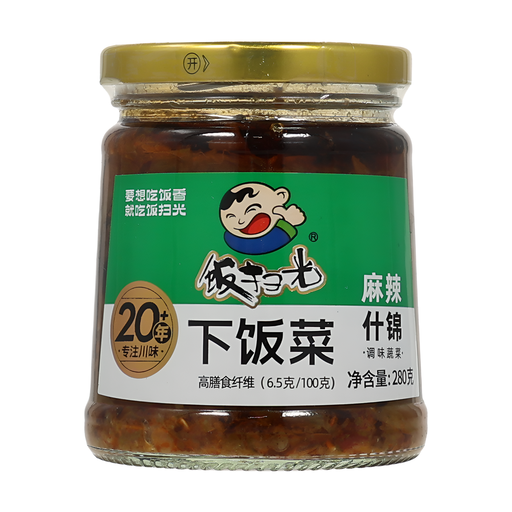
What makes it special: This mix is surprising for its richness in textures and flavors, featuring a varied composition: mushrooms, soybeans, black fungus, and other vegetables. Everything is marinated in a typical Sichuan chili oil, well-seasoned with Sichuan peppercorn, sesame, and garlic.
Highlights:
Who is it for? For adventurous palates who love condiments rich in texture, with the spicy and aromatic character of Sichuan cuisine.
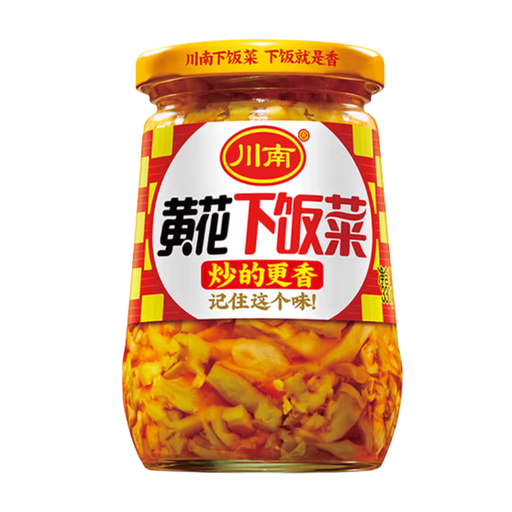
What makes it special: A true curiosity! This condiment features daylily flowers, a traditional ingredient in certain Chinese cuisines. The result is a unique texture, both tender and slightly fibrous, in a savory and perfectly spiced marinade.
Highlights:
Who is it for? For the curious who have already tried all the classic pickles and want to explore the more niche flavors and textures of Chinese gastronomy.
Our selection is just a taste to help you discover the richness of Asian condiments. To explore other flavors, different textures, or varying levels of spice, feel free to browse our complete collection.
? Explore our full range of Asian pickled vegetables and condiments
1. How should I store Asian pickled vegetables after opening? Most of these products should be stored in the refrigerator after opening to maintain their freshness. It is recommended to consume them within a few weeks. In any case, refer to the storage instructions on the packaging.
2. What is the difference between Korean kimchi and Chinese pickled vegetables? The main difference lies in the preparation method. Korean kimchi is a fermented product: lactic acid bacteria convert the sugars in the cabbage into lactic acid, which gives it its distinctive tangy taste. Chinese pickled vegetables, on the other hand, are most often marinated in oil, vinegar, or a very salty brine. The result is a condiment with a salty, spicy, and sometimes sweet profile, with a generally crunchier texture.
3. Can these condiments be used for cooking? Absolutely! Many of these spicy vegetables are even perfect for cooking. For example, you can add a spoonful of oil-based pickles to a wok to start a vegetable or meat stir-fry, incorporate kimchi into a stew (jjigae) or a savory pancake, or simply spoon some over a hot soup to give it a kick and some texture.