
Livraison le jour même ou le lendemain

Qualité garantie

Débloquez vos offres de bienvenue: Livraison GRATUITE | Jusqu'à -80 % | 30 jours d'essai gratuits à JoyPlus
Téléchargez l'application
Overwhelmed by the gigantic Asian noodles?aisle? We get it. Thin, wide, made from rice, wheat, or buckwheat… How do you find your way to whip up a comforting ph?, a flavourful pad thai, or an impromptu stir-fry??
Don't panic, this guide is here to help. As product experts at Joybuy, our mission is to give you clear, practical advice, without the marketing jargon. Together, we'll break down the different varieties so you can find the perfect noodle for your next recipe.
Choosing the right Asian noodles is all about context. Here are three key points so you'll never hesitate again.
The composition of the noodles plays a key role in their texture, taste, and culinary use.
Far from being a simple aesthetic detail, the shape of the noodles directly influences how they pair with other ingredients.
To make the right choice, simply picture your final dish?:
To get you started, here is our selection of three essential products that cover a wide range of recipes.
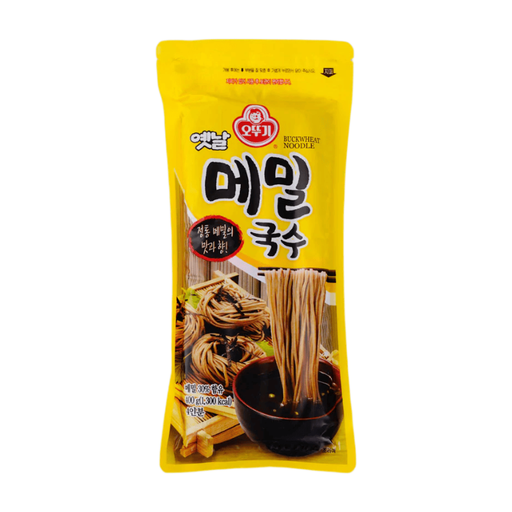
Why they stand out: These soba noodles offer a subtle nutty taste and a fine texture that make all the difference. They are a highly versatile staple of Japanese and Korean cuisine.
Highlights:
Who are they for?? For lovers of Japanese cuisine who want to prepare a true soba dish (cold with its tsuyu sauce) and for anyone looking for an original alternative to classic pasta in their broths.
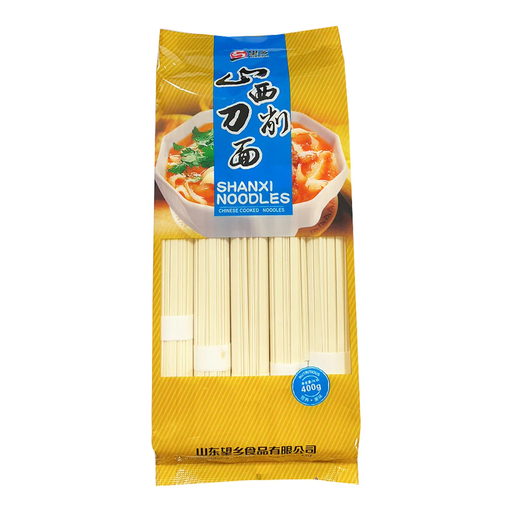
Why they stand out: These Chinese noodles are recognisable by their wide, irregular shape, typical of the Shanxi province. Their thickness gives them an incomparable chew, perfect for hearty dishes.
Highlights:
Who are they for?? For fans of comfort food looking for an authentic texture for their Chinese recipes. The perfect choice for wok noodles with character.
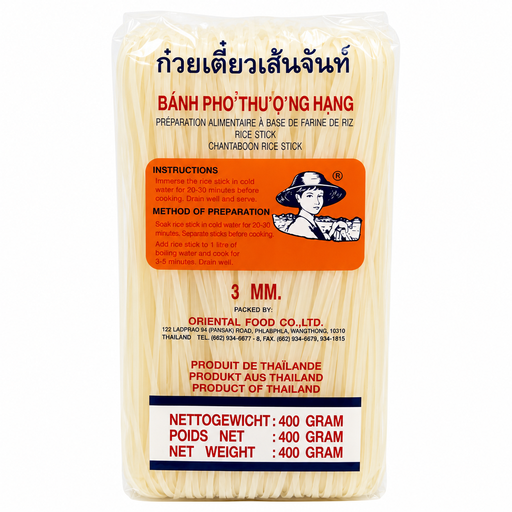
Why they stand out: These rice noodles are a classic in Southeast Asian cuisine. Their 3?mm width is the perfect thickness for iconic dishes like Vietnamese Ph? or Pad Thai.
Highlights:
Who are they for?? The must-have for Thai and Vietnamese cuisine enthusiasts, and for anyone looking for a versatile and easy-to-cook gluten-free option.
Our selection is just a taste of the incredible world of Asian noodles. Looking for a different shape, a specific ingredient, or just curious?? Mix things up by exploring our full catalogue.
? Discover our entire range of 400g noodles and get inspired for your next meals.
1. What's the difference between Asian noodles and Italian pasta?? The main difference lies in the ingredients and preparation. Italian pasta is made from durum wheat semolina, whereas Asian noodles use a wider variety of flours?: soft wheat, rice, buckwheat, mung bean, sweet potato... Their texture is therefore often springier or softer, depending on the variety.
2. Which Asian noodles are gluten-free??Rice noodles (sticks for Ph?/Pad Thai, vermicelli) are naturally gluten-free. This is also true for mung bean noodles (cellophane noodles) and sweet potato noodles (glass noodles). However, be careful with soba noodles?: they often contain wheat in addition to buckwheat. Be sure to check the label for a 100% buckwheat version.
3. How should I store dry noodles?? The secret?: a cool, dry place away from light. Once the package is opened, it's best to transfer them to an airtight container to protect them from moisture and preserve their freshness.