
Livraison le jour même ou le lendemain

Qualité garantie

Débloquez vos offres de bienvenue: Livraison GRATUITE | Jusqu'à -80 % | 30 jours d'essai gratuits à JoyPlus
Téléchargez l'application
Finding the right Asian noodle can transform a simple home-cooked meal into a true culinary experience. But faced with a maze of shapes, thicknesses, and origins, it's easy to get lost. Whether you're making a comforting soup, a quick stir-fry, or a fresh salad, there's a noodle for every dish, and this choice is crucial to your recipe's success.
This guide is here to help. We'll break down the key criteria for choosing your Asian noodles and present our selection of the top products on the market, chosen for their quality and versatility.
To make the right choice, just keep these three criteria in mind on your next shopping trip.
Not all noodles behave the same way on the plate.
A quick look at the ingredient list speaks volumes about quality. True, traditional wheat noodles require only the essentials: wheat flour, water, and salt. A short ingredient list is almost always a sign of authenticity.
The production method also directly influences the texture. Noodle lovers often seek out handmade (or artisanal-style) noodles for their unbeatable chewiness and slightly irregular surface, which is perfect for clinging to sauce. Also, check whether the noodles are fried or not. Air-dried (non-fried) noodles offer a lighter texture and a cleaner wheat flavour.
We've selected a few gems for you, chosen for their impeccable ingredients, texture, and versatility.
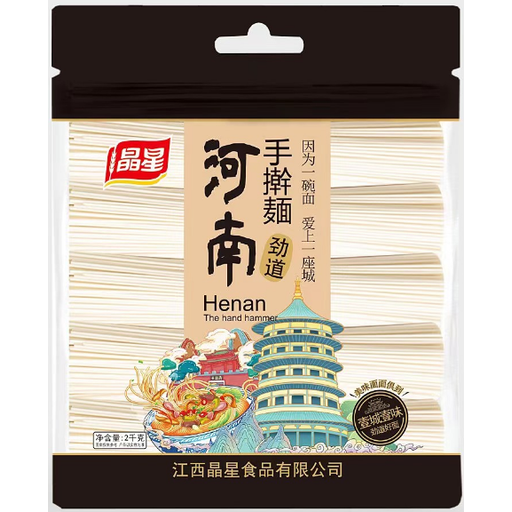
Why we love them: Inspired by the tradition of Henan province, these noodles stand out for their simplicity: 99% wheat flour and a touch of salt. That's it. Non-fried, they deliver a firm, smooth, and perfectly elastic texture, typical of true handmade noodles. Their natural wheat flavour makes them an ideal base for a myriad of recipes.
Highlights:
Best for: Large families, purists of Chinese cuisine, and small restaurant owners looking for a high-quality and cost-effective staple.
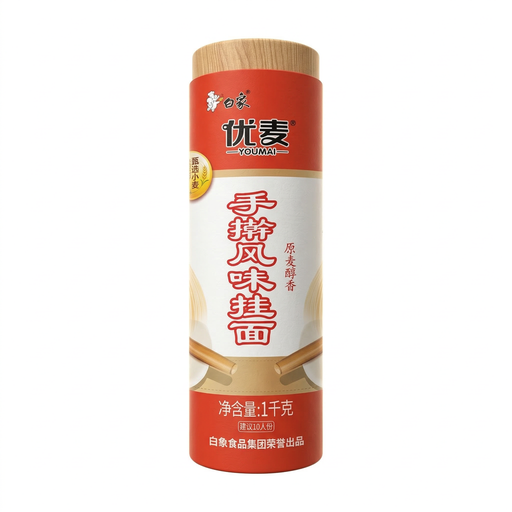
Why we love them: Bai Xiang is a brand renowned for the consistency of its products. These artisanal-style noodles are distinguished by their soft yet elastic texture and their rich wheat taste. Extremely versatile, they excel in stir-fries, soups, and salads alike.
Highlights:
Best for: The smart choice for families and all-around cooks who love to switch between a Chinese noodle stir-fry and a comforting soup.
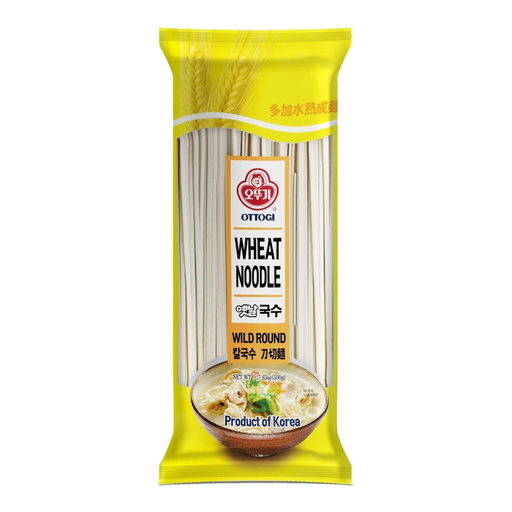
Why we love them: These flat Korean noodles from Ottogi are a staple in Korea. Made from a blend of high-quality wheat flours (from Australia and the USA), they are the essential base for dishes like kalguksu (knife-cut noodle soup). Their flat shape is ideal for capturing all the flavours of the broth.
Highlights:
Best for: Lovers of Korean cuisine, singles, or couples who want to prepare authentic dishes without stocking up in bulk.
Our selection is, of course, just a taste of the infinite world of Asian noodles. Have egg noodles, rice noodles, or other varieties of dry noodles caught your eye? Feel free to browse our complete collection.
Discover our full range of Asian Noodles & Pasta
While there are many exceptions and overlaps, we can identify a few general trends. Chinese noodles offer a staggering diversity (wheat, rice, egg, mung bean...) that changes dramatically from one region to another. On the Korean side, wheat noodles like kalguksu reign supreme in soups, while other specialities like sweet potato starch noodles (dangmyeon) are reserved for japchae, and buckwheat noodles (naengmyeon) are used in cold dishes.
Dry noodles have a very long shelf life. Simply store the package in a cool, dry cupboard, away from light. Once the package is opened, it's best to transfer them to an airtight container to protect them from moisture and preserve their freshness.
It's a risky move, but it's possible. Soup noodles are designed to become tender and absorb broth. In a wok, they risk becoming overly soft or sticking if not handled carefully. For a perfect result, it's better to use noodles designed for stir-frying, which are naturally firmer. If soup noodles are all you have, here's a tip: cook them very al dente, then immediately rinse them under cold water before tossing them in the wok.