
Livraison le jour même ou le lendemain

Qualité garantie

Débloquez vos offres de bienvenue: Livraison GRATUITE | Jusqu'à -80 % | 30 jours d'essai gratuits à JoyPlus
Téléchargez l'application
The world of Asian noodles is a dazzling labyrinth of flavors and textures. Between hearty ramen noodles, delicate rice vermicelli, and surprising konjac noodles, it's easy to feel lost when filling your shopping cart. Yet, each variety has its own character, taste, and ideal use. Choosing the right noodle is the key to a successful dish.
This guide is here to light the way. Our mission? To give you clear, practical pointers for finding the perfect Asian noodles for your recipes, diet, and cravings—without drowning you in marketing jargon.
Before we get to our top picks, here are a few essential criteria to guide you.
The composition of the noodles directly affects their mouthfeel and their compatibility with certain dietary restrictions.
The secret is to match the noodle to the recipe. Not all of them react to cooking in the same way.
If you're following a specific diet, the nutrition label is your best friend.
Here are three products that cater to very different needs, selected for their quality and versatility.
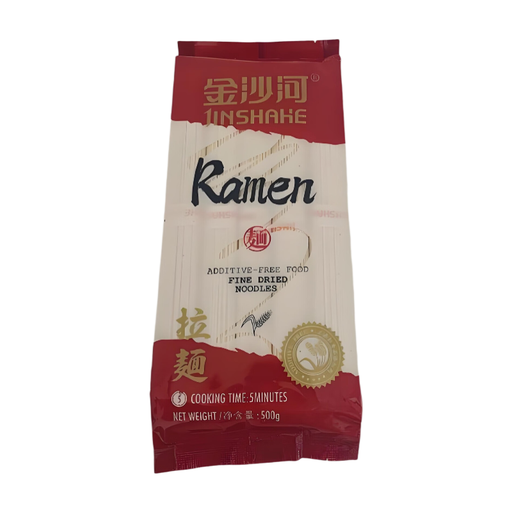
Why we love them These ramen noodles are made with high-gluten wheat flour, the secret to achieving that firm, elastic texture that makes all the difference after cooking. They are the ideal base for recreating authentic Chinese noodle dishes at home, like Lanzhou beef noodle soup or a savory wok. Their composition even allows you to try your hand at hand-pulling for an even more immersive culinary experience.
Key features
Who is it for? For enthusiasts of traditional Chinese cuisine seeking an authentic texture, and for families looking for an economical and all-purpose pantry staple.
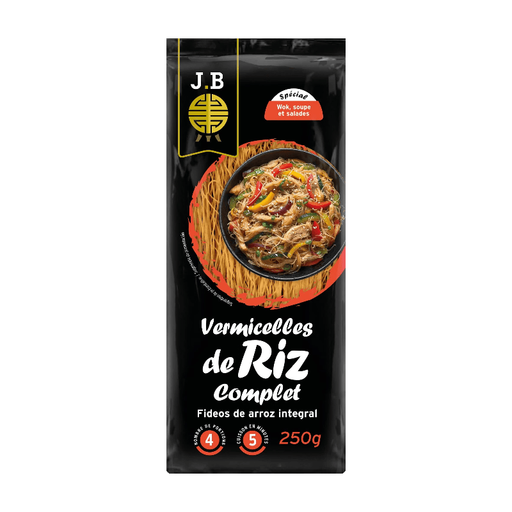
Why we love them These rice vermicelli deliver on their promise: 100% whole grain rice. This not only gives them a real nutritional boost with a good dose of fiber, but also subtle nutty notes that change everything. Naturally gluten-free, they are an excellent alternative for those with an intolerance or anyone simply looking to add some variety. Bonus: they cook ultra-fast, in just 5 minutes.
Key features
Who is it for? For people on a gluten-free diet, fans of light Asian dishes like salads and spring rolls, and anyone looking for a healthy and express option for dinner.
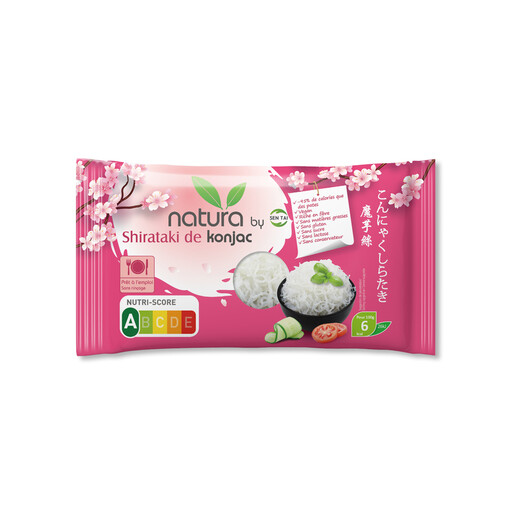
Why we love themKonjac noodles, or shirataki, are in a league of their own. Natura's version is simply made of water and konjac flour. Their superpower? Nutritional values that are simply unbeatable: only 6 kcal per 100g, zero fat, and almost no carbs. Their smooth, slightly gelatinous texture might be surprising at first, but their neutral taste is a major asset: they perfectly absorb the flavors of sauces, broths, and spices.
Key features
Who is it for? For people watching their weight or carb intake, those following a ketogenic diet, or anyone who simply wants a light alternative to indulge in a satisfying portion without the guilt.
Our selection highlights three star products, but the world of Asian noodles is much vaster. If you're looking for a different texture, a specific format, or other types of noodles like egg or buckwheat, feel free to explore our catalog.
Discover our full range of 250g Noodles to find the product that will satisfy all your culinary cravings.
In reality, "Chinese noodles" is a generic term that covers hundreds of varieties made from wheat, rice, or other grains. Ramen noodles, originally, are a type of Chinese wheat noodle (lamian). Today, the term is mostly associated with the famous Japanese soup of the same name. To put it simply, noodles sold as "ramen" are generally wheat noodles, either wavy or straight, specially designed to hold up well in a broth.
Konjac noodles can be an excellent boost for weight loss goals, thanks to their very low calorie count. By replacing traditional pasta (about 130 kcal per 100g cooked) with shirataki (about 6 kcal), you significantly lighten your meal. Furthermore, the fiber in konjac, glucomannan, expands in contact with water and can thus promote a feeling of fullness. It's not a miracle solution, of course, but a very clever substitute as part of a balanced diet.
The secret to preventing your rice vermicelli from turning into a sticky mess? Master the cooking and, most importantly, the post-cooking process. For a salad or spring rolls, a simple soak in hot (but not boiling) water for a few minutes is enough. For a hot dish, plunge them into boiling water for one to two minutes at most. In any case, the life-saving step is to immediately and generously rinse them under cold water. This instantly stops the cooking process and removes the excess starch that causes the clumping effect.