
Livraison le jour même ou le lendemain

Qualité garantie

Débloquez vos offres de bienvenue: Livraison GRATUITE | Jusqu'à -80 % | 30 jours d'essai gratuits à JoyPlus
Téléchargez l'application
The world of Asian noodles is a dazzling array of flavours and textures. Rice vermicelli, glass noodles, wide ribbons for Pad Thai… Standing in the aisle, the choice can quickly become overwhelming. How can you be sure you're picking the right variety for an authentic pho, a quick stir-fry, or a refreshing salad?
Rest assured. As experts in Asian cuisine, we've decoded the secrets of the best noodles for you. This guide will give you all the keys to making the right choice every time, complete with our selection of must-have products available in our online Asian grocery store.
The secret to a successful Asian dish? Harmony. And it all starts with choosing the right noodles. Forget guesswork; three key elements should guide your selection: the type of dish, the noodle's composition, and its thickness.
This is the golden rule. For a perfect harmony of flavours and textures, you wouldn't use the same noodles for a broth as you would for a stir-fried dish.
The noodle's composition changes everything: the taste, the chew, and even the visual appeal.
Thickness isn't just a detail; it dictates the chew and the noodle's role in the dish. Thick noodles add substance and character, perfect for rich sauces. Conversely, fine vermicelli will be more subtle, enhancing the freshness of a salad or the delicacy of a filling.
To put theory into practice, here are three tried-and-true favourites from our grocery store. Three versatile types of noodles to cover all your needs.
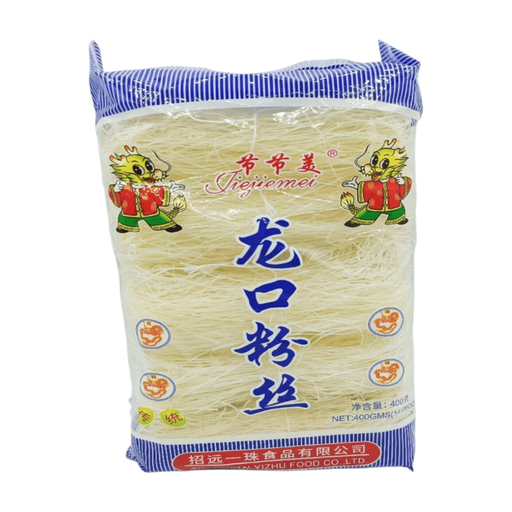
What Makes Them Special The secret to this vermicelli? A blend of pea and mung bean starch that gives it an incomparable elasticity. Once cooked, these "glass noodles" remain firm and never fall apart, even after simmering for a long time in a broth or a Chinese hot pot.
Highlights
The Perfect Choice For… Fans of hot pot, slow-simmered soups, and any dish where the noodles need to hold up without getting soft. Their chew is also divine in cold salads.
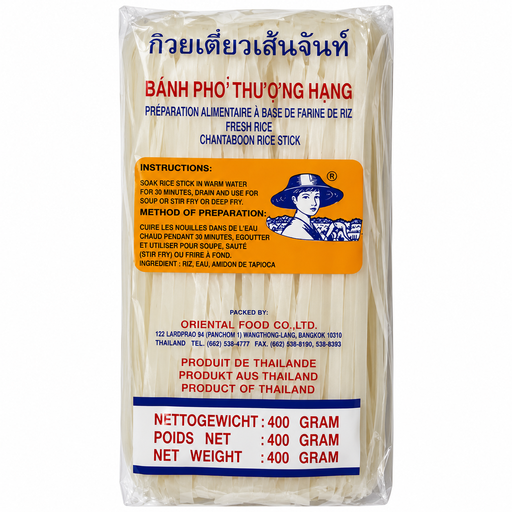
What Makes Them Special These 10mm wide rice ribbons are the holy grail for a Pad Thai worthy of the name. Their generous thickness gives them a chew that is both firm and tender, and their porous surface is a true sponge for sauce. All made with just rice flour and water.
Highlights
The Perfect Choice For… Lovers of Thai cuisine looking for authentic Pad Thai noodles. They also work wonders as pho noodles or in any recipe that calls for rice noodles with body.
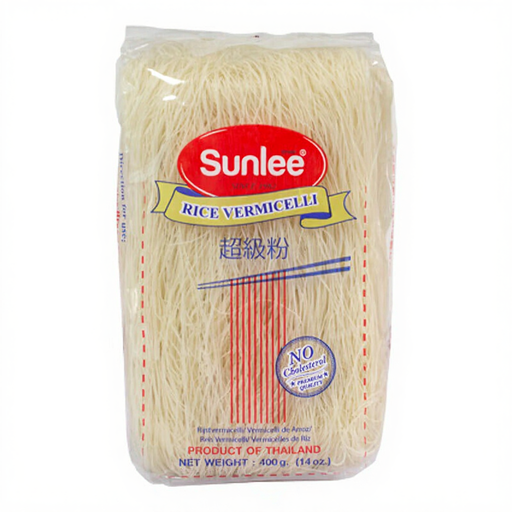
What Makes Them Special The epitome of finesse and delicacy. This rice vermicelli is a pillar of Southeast Asian cuisine. Its secret? Express cooking (a simple soak in hot water is all it takes!) and an amazing ability to absorb the subtle flavours of broths and dressings.
Highlights
The Perfect Choice For… Fans of fresh, vibrant dishes like bò bún, spring rolls, or clear soups. Their quick preparation makes them the magic ingredient for impromptu weeknight dinners.
Our selection is just a gateway into the infinite world of Asian noodles. Are you looking for a specific size for your grandmother's recipe or simply want to experiment? The journey has just begun.
Explore our full range of 400g Rice Vermicelli and find the perfect noodle for your next culinary creation.
It's all in the ingredient! Rice vermicelli (white and tender) is made from rice flour. The so-called "soy vermicelli" is actually made from mung bean starch. This starch is what gives them their transparent appearance and uniquely elastic texture once cooked.
The golden rule: NEVER overcook them. For the finest vermicelli, a few minutes in hot water is enough. For thicker noodles, follow the package directions, but taste them often! As soon as they are cooked to your liking, drain and immediately rinse them under cold water. This is the secret to stopping the cooking process and preventing them from clumping into a sticky block.
Absolutely not, so it's important to be vigilant. While rice noodles, rice vermicelli, and mung bean vermicelli are indeed gluten-free noodles, many others are wheat-based. This includes ramen, udon, and even soba noodles (which often contain a mix of buckwheat and wheat). The key is to always check the ingredient list on the package.