
Livraison le jour même ou le lendemain

Qualité garantie

Débloquez vos offres de bienvenue: Livraison GRATUITE | Jusqu'à -80 % | 30 jours d'essai gratuits à JoyPlus
Téléchargez l'application
Rich, flavourful, and comforting, Asian cuisine has won over the hearts (and pantries) of food lovers everywhere. At the centre of this culinary universe, one ingredient reigns supreme?: Asian noodles, as fundamental as they are varied. But when faced with the seemingly endless aisle of an online Asian grocery store, it can be overwhelming. Shape, composition, cooking time… each package promises a unique experience.
Our mission?? To help you make sense of it all. This guide breaks down the options to give you practical advice and a selection of must-have products, without the marketing jargon, so you can find the perfect noodles for your next Asian recipes.
Before diving into our selection, let's review the essential criteria for making the right choice.
The texture of the noodles and their ability to absorb sauces are two crucial points.
The base ingredient directly influences the taste and texture.
Here are the products we've chosen for their quality and versatility. Everything you need to embark on your culinary exploration without delay.
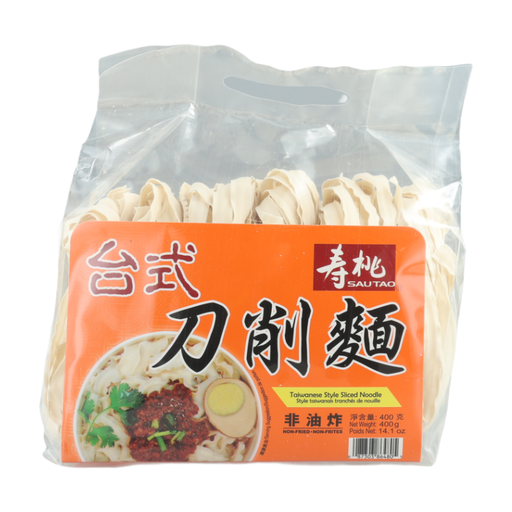
Why it stands out?: Inspired by the traditional Taiwanese "knife-shaved" technique, these noodles have an irregular shape and a unique mouthfeel. Thick and wavy, they hold sauce to perfection and offer a satisfyingly chewy texture, making them ideal for saucy dishes or hearty soups.
Advantages?:
Who is it for?? For fans of Taiwanese noodles looking for a robust texture and authentic taste for their comfort food dishes.
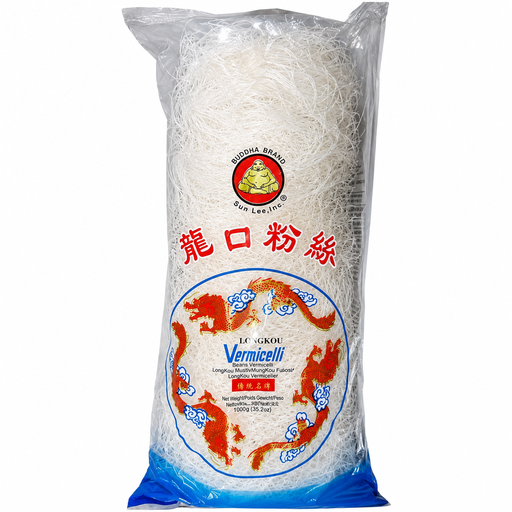
Why it stands out?: Also known as "glass noodles," these soy vermicelli are made from a blend of mung bean, pea, and corn starch. Their economical 1?kg size makes them a great pantry staple. Once rehydrated, they become translucent and smooth, perfect for adding a light touch to a salad, garnishing a soup, or serving with an Asian hot pot.
Advantages?:
Who is it for?? Ideal for families and anyone who regularly cooks Asian dishes, whether it's salads, light soups, or hot pots.
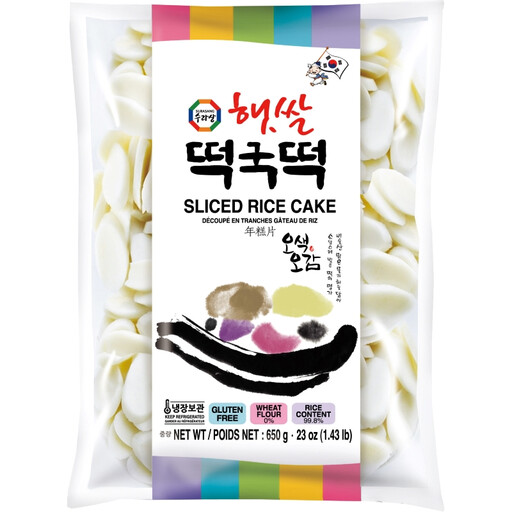
Why it stands out?: For all fans of Korean cuisine, these Korean rice cakes are a must-have. They are the star ingredient of the famous street food dish, tteokbokki. This Surasang package contains pre-sliced, ready-to-use rice cakes (garaetteok). Their texture, both soft and chewy after cooking, is the key to a successful tteokbokki. The alcohol-free formula makes them suitable for the whole family.
Advantages?:
Who is it for?? For those who want to easily recreate this famous Korean dish or explore Korean cuisine with an authentic base ingredient.
What if discovering all these different varieties inspires you to take it to the next level and make your own fresh noodles?? Mastering the ingredients, playing with thickness, creating unique shapes… it's a truly rewarding culinary experience.
To get started, the right equipment is key. Discover our selection of pasta cutters, practical tools to bring your creations to life with precision.
1. How should I store dry Asian noodles?? Store them in a cool, dry place, away from light and moisture. Once the package is opened, it's best to transfer them to an airtight container to maintain their freshness and protect them from pantry moths.
2. What's the difference between rice noodles and wheat noodles?? The fundamental difference lies in the base ingredient. Wheat noodles contain gluten, which gives them a springy and firm texture. Rice noodles, made from rice flour and water, are typically gluten-free, softer, and have a more neutral flavour.
3. Can Korean rice cakes be used in recipes other than tteokbokki?? Absolutely. Sliced rice cakes are very versatile. You can add them to soups like tteokguk (rice cake soup), stir-fry them with meat and vegetables (gungjung-tteokbokki), or even grill them on skewers (tteok-kkochi). Their unique texture lends itself to many Asian recipes.