
Livraison le jour même ou le lendemain

Qualité garantie

Débloquez vos offres de bienvenue: Livraison GRATUITE | Jusqu'à -80 % | 30 jours d'essai gratuits à JoyPlus
Téléchargez l'application
The world of Asian noodles is a labyrinth of flavours and textures. From the fine rice noodles in a Vietnamese Ph? to thick Japanese udon noodles, every dish has its signature noodle. Yet, when faced with the ever-expanding aisles of an Asian supermarket, it's easy to get lost and walk away with the wrong package. The result? A dish with a disappointing texture or a packet gathering dust in the back of the cupboard. These are common pitfalls.
As a product expert at Joybuy, my role is to demystify the subject for you. Let's cut through the marketing jargon and get straight to the point, ensuring your next online purchase of Asian noodles is a complete success. Here's a breakdown of the mistakes to avoid and the criteria that truly matter.
Before we even talk about products, let's review the classic mistakes that can ruin the experience.
To avoid falling into these traps, simply focus on three key factors before you buy noodles online.
The main ingredient doesn't just define the taste. It primarily dictates the noodle's texture, and therefore its culinary use.
Thickness is far from being just a detail. It directly influences how the noodle interacts with the sauce or broth.
Here are a few recommendations that meet specific needs, taking into account the criteria we've just discussed.
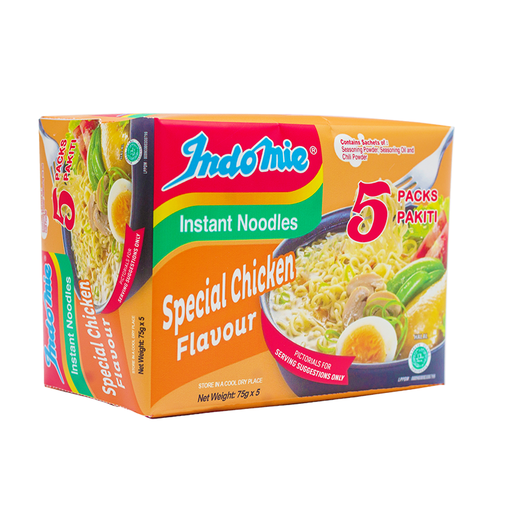
Why we chose it: Perfect for students or busy professionals, this pack of instant noodles offers a complete and flavourful meal ready in under 5 minutes. It's a convenient solution that doesn't compromise on taste.
The "instant" format is unambiguous: it's designed for express preparation. The individual portion packaging prevents waste and guarantees freshness.
The included seasoning, oil, and chilli packets allow you to create a flavour-rich dish with minimal effort.
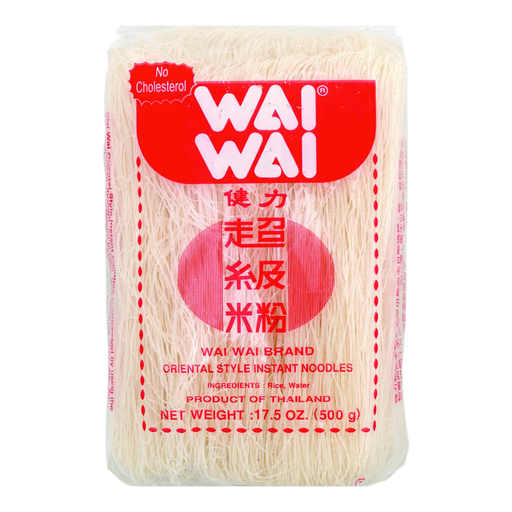
Why we chose it: For those looking to faithfully replicate Vietnamese or Thai dishes, these rice vermicelli are a perfect base. Their simple ingredients list (rice and water) and their fine yet resilient texture are ideal for soups, stir-fries, and salads.
This product is straight to the point. It's rice vermicelli, with no marketing fluff. There's no mistaking its use: it's clearly intended for recipes requiring fine noodles, avoiding the wrong-texture trap.
Naturally gluten-free and very versatile. Its texture doesn't fall apart, even in a hot broth, which is a true sign of quality for rice noodles.
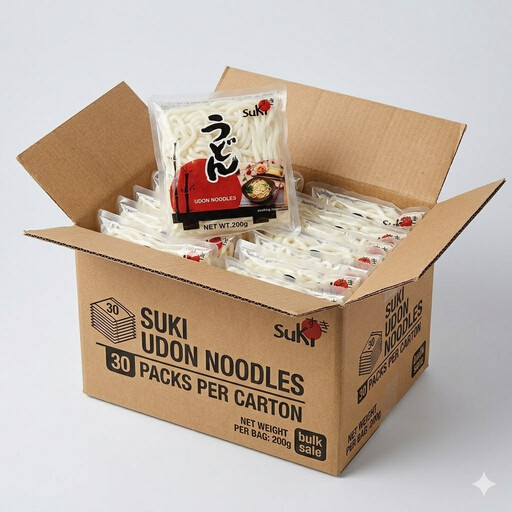
Why we chose it: This bulk pack of 30 individual portions of udon noodles is a cost-effective and convenient solution for families or fans of Japanese noodles. The thick, chewy texture is perfect for soups, woks, and hot pots.
It solves the packaging dilemma. You get a bulk price without having to open a huge packet. Each 200g portion remains sealed until use, ensuring optimal freshness.
The individual portioning simplifies inventory management and portion control. The versatility of udon noodles allows you to vary your meals.
We have selected a full range of products that meet these quality standards and current regulations.
Although both are made from rice, the main difference is thickness. Rice vermicelli are extremely thin, almost thread-like, and cook very quickly. Rice noodles is a broader category that includes flat formats of various widths, like those used for Ph? or Pad Thai.
For dry noodles, the most important thing is to protect them from moisture. Transfer them to an airtight container and store them in a cool, dry place away from direct light. For fresh noodles, follow the instructions on the package; they usually need to be refrigerated and consumed within 24 to 48 hours of opening.
Yes, it's possible, but the result will be different. Wok noodles are often wheat-based and designed to stay firm during a quick, high-heat stir-fry. In a soup, they will tend to absorb a lot of liquid and become softer than noodles specifically made for broths, like ramen. It all comes down to personal taste and the final texture you're aiming for.