
Livraison le jour même ou le lendemain

Qualité garantie

Débloquez vos offres de bienvenue: Livraison GRATUITE | Jusqu'à -80 % | 30 jours d'essai gratuits à JoyPlus
Téléchargez l'application
The world of Asian noodles is a vast landscape of flavours and textures. Between the flat rice noodles in a Pad Thai, the vermicelli in a Ph? soup, or the sweet potato noodles in a Korean Japchae, it's easy to get lost. So, how do you navigate the options to ensure your dish is a success?
Don't worry, this guide is here to help. Our mission at Joybuy is to lead you through the jungle of choices to find the perfect ingredient—the one that will elevate your recipe. All without marketing jargon and with practical advice. We'll break down the different types of noodles and their uses, and introduce you to our top picks, all available in our online Asian grocery store.
To make the right choice, you only need to consider three criteria: the ingredient, the shape, and, of course, the recipe you have in mind.
The composition of the noodles directly impacts their texture, taste, and suitability for certain diets (e.g., gluten-free).
Far from being a mere aesthetic detail, the shape of the noodles plays a crucial role in how they cook and their ability to soak up sauce.
The easiest approach is to start with the recipe you want to cook.
To get you started without any hassle, here are our recommendations, chosen for their quality, versatility, and excellent value.
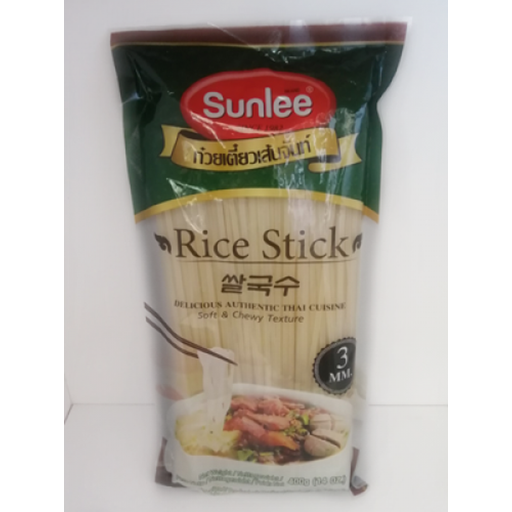
Why we recommend them These 3mm rice noodles are a tried-and-true classic. Their ultra-simple ingredients (90% rice, 10% water), with no preservatives, make them a healthy and authentic choice. Their width is ideal for wok dishes, as the sauce clings to them perfectly.
Key features
Who is it for? For fans of Thai cuisine who want to nail their Pad Thai every time, but also for anyone looking for a healthy, quick, and versatile meal base.
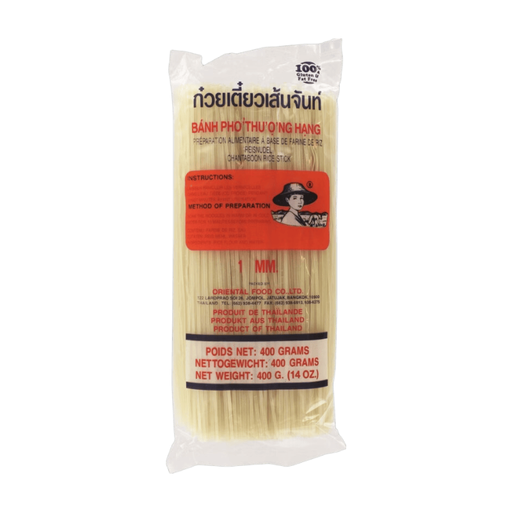
Why we recommend them These ultra-thin (1mm) rice vermicelli are the essence of lightness. Their delicate nature is perfect for clear broths, fresh salads (like the famous bò bún), and spring rolls, where they add texture without ever weighing down the dish. Like their cousins from Sunlee, the ingredient list is minimalist: rice flour and water, that's it.
Key features
Who is it for? For lovers of Vietnamese cuisine who want to prepare an authentic Ph? soup or vermicelli salad (bún). It's also the essential ingredient for all fans of homemade spring rolls.
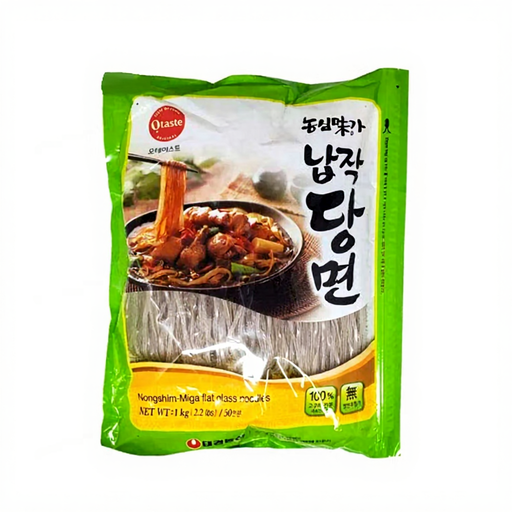
Why we recommend them 100% sweet potato starch! These noodles offer a completely unique mouthfeel. Once cooked, they become translucent, smooth, and deliciously chewy. They are simply the non-negotiable ingredient for preparing an authentic Japchae, the famous Korean stir-fried noodle dish.
Key features
Who is it for? An absolute must-have for fans of Korean cuisine who want to tackle an authentic Japchae. Also for the curious who want to explore new textures in their soups, stews, or wok dishes.
This selection is, of course, just a taster. Udon, Soba, special shapes... if you're looking for other varieties, feel free to browse our complete noodle aisle.
Explore our entire selection of Asian noodles
1. What is the difference between rice noodles and rice vermicelli? In short, it's all about the size! "Rice sticks" are generally flat and wide, perfect for stir-fried dishes. "Rice vermicelli," on the other hand, are thread-thin and are therefore preferred for soups and salads.
2. Are sweet potato noodles gluten-free? Absolutely. As long as they are made from 100% sweet potato starch, like the Nongshim Miga product in our selection, they are guaranteed gluten-free. This is excellent news for people with celiac disease or gluten intolerance.
3. How should I store dry Asian noodles? The secret is a cool, dry place away from light. Once the package is opened, it's best to transfer them to an airtight container to protect them from moisture and maintain their freshness.