The wave of Asian cuisine is sweeping the globe, and its success shows no signs of slowing down. Preparing a steaming bowl of ramen, a wok of crispy noodles, or a fresh Japanese salad is now easier than ever. Yet, when faced with the Asian noodles aisle, enthusiasm often gives way to confusion. Between the enticing promises on the packaging, it's easy to make a mistake, leaving you with a disappointing bowl. Before you confirm your cart at an online Asian grocery store, let's review the most common traps to avoid.
- The 'Authentic Impostor' Trap: Just because the packaging features Japanese designs doesn't mean you're holding the perfect Japanese noodles for your recipe. Often, these are simple wheat noodles, lacking the characteristic texture and taste of soba or udon.
- The Texture Mismatch That Ruins a Dish: Noodles that are too thin in a rich soup? That's a guaranteed recipe for a formless mush. Conversely, noodles that are too thick will struggle to absorb a delicate sauce. In short, texture is non-negotiable.
- The 'Surprise' Sachets in Instant Noodles: While the convenience of instant noodles is a major plus, their seasoning packets can hide some nasty surprises. Explosive salt content, flavours masked by taste enhancers... vigilance is key.
Key Criteria to Make the Right Choice
To make an informed choice, a few technical details are all it takes to make a world of difference on your plate.
1. Composition: The Noodle's DNA
The flour is the cornerstone: it dictates the texture, taste, and use of each noodle.
- Wheat-based: This is the most common family. It includes ramen, most Chinese noodles for woks, and the famous udon (thick and chewy). Their gluten gives them that pleasant elasticity in broths or stir-fried dishes. Some, like egg noodles, are enriched for a richer result and a typical yellow colour.
- Buckwheat-based (soba): A true pillar of Japanese cuisine, these buckwheat noodles are distinguished by their nutty taste and firmer texture. They are often eaten cold, dipped in a sauce (Zaru Soba), but are also excellent in a hot soup. Their secret? The proportion of buckwheat (soba-ko), a quality indicator to check closely on the label.
- Rice-based: Whether they are thin like vermicelli or wide and flat, these gluten-free noodles become tender and slightly translucent when cooked. They are the star of iconic dishes like Vietnamese Ph? or Pad Thai.
- Original alternatives: The aisle is also full of gems made from yam, konjac (ultra-low in calories), or sweet potato starch, each with its own unique chewiness.
2. Shape and Thickness: A Matter of Harmony
A noodle's shape is not just an aesthetic choice: it is designed to capture the sauce or broth optimally.
- Thin and round (e.g., Somen, Chinese vermicelli): Ideal for light soups and summer salads. They cook very quickly.
- Thick and round (e.g., Udon): Their chewy texture and ability to absorb flavours make them an excellent choice for rich broths and thick sauces.
- Flat and wide (e.g., 'knife-cut', 'biang biang' noodles): Their large surface area is perfect for clinging to the richest sauces and wok preparations.
3. Packaging: A Trade-off Between Convenience and Control
- Dry noodles: The purist's choice. This is the most common format. They offer a long shelf life and total control over cooking: it's the top option for those who like to master their recipe from A to Z.
- Pre-cooked noodles (vacuum-sealed): The smart compromise. Often used for udon, you just need to reheat them. A precious time-saver for a more than decent result.
- Instant noodles: The express solution. Ideal for a meal on the go. If you want to buy spicy noodles, this is often the category to look for. Their packets of chilli oil, powder, and dehydrated toppings promise intense flavours.
Asian Noodles for Every Taste
We have selected a few gems that meet specific needs, applying the criteria we have just detailed.
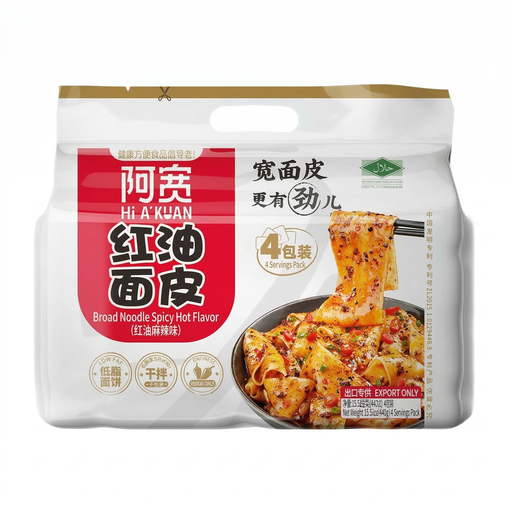
PERFECT FOR: THE FAN OF QUICK, SPICY MEALS
Why we recommend it: Perfect for students or young professionals looking for a spicy, flavourful meal without spending hours in the kitchen. The preparation is ultra-fast for a stunningly rich result.
How It Avoids the Trap
Here, the seasoning is not a simple powder, but a complex chilli oil-based sauce. Most importantly, the non-fried noodles guarantee a much more pleasant and less greasy texture than most instant noodles on the market.
Key Strength
Chewy texture of the non-fried noodles; intense and fragrant spicy sauce.
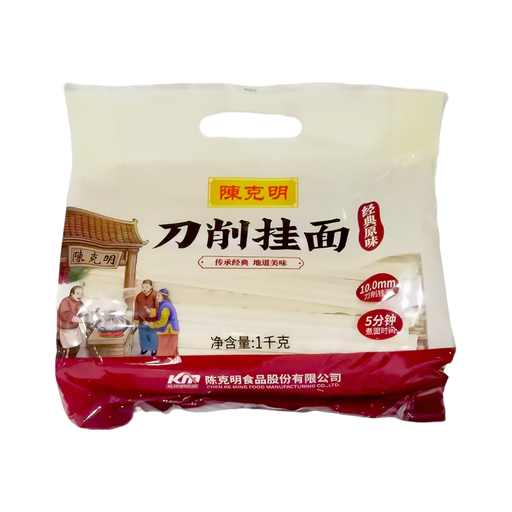
PERFECT FOR: THE VERSATILE HOME COOK
Why we recommend it: A generous format for noodles that are as classic as they are versatile. Ideal for families or Asian cuisine enthusiasts who frequently make soups, salads, and woks.
How It Avoids the Trap
This is the ultimate "blank canvas." It avoids the impostor trap by embracing its status as a simple and effective wheat-based **Chinese noodle**. You retain full control over the flavours. Its "knife-cut" shape ensures a firm texture that holds up perfectly to cooking.
Key Strength
Firm texture that doesn't fall apart in soup or a wok; economical 1kg format perfect for frequent use.
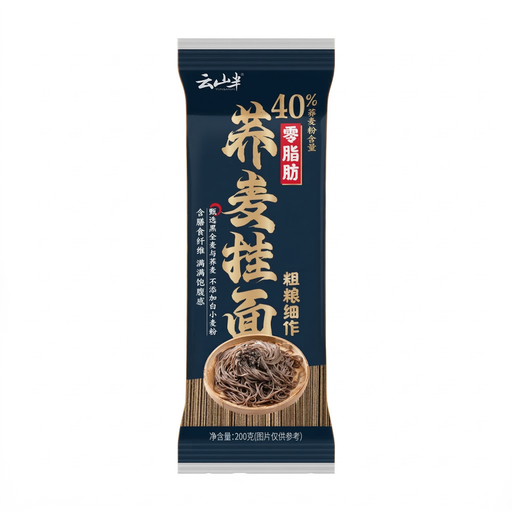
PERFECT FOR: THE HEALTH-CONSCIOUS GOURMET
Why we recommend it: This product targets health-conscious consumers with its "zero fat" promise and high buckwheat content. It's the ideal way to indulge without compromising your diet.
How It Avoids the Trap
Transparency is key: the **40% buckwheat flour** content is clearly displayed. This helps you avoid the trap of "fake" soba noodles, which contain only a negligible amount of buckwheat.
Key Strength
Zero fat; an attractive nutritional profile with 15.3g of protein per 100g and a good fibre content.
Ready to Explore More Options?
We have put together a complete and up-to-date selection of products that meet our demanding selection criteria and current standards.
Frequently Asked Questions (FAQ)
What is the difference between soba and udon noodles?
The fundamental difference lies in their ingredients and texture:
- Soba: Thin and greyish-brown in colour, they are made from buckwheat flour (either pure or mixed with wheat). They offer a characteristic nutty taste and a firm texture. They are often served cold.
- Udon: Thick, white, and chewy, they are made from wheat flour. Their neutral taste is an asset for soaking up the flavours of the rich broths in which they are traditionally served.
How should I store Asian noodles once the package is opened?
For dry noodles, it's best to transfer them to an airtight container and store it in a cool, dry place away from light. This will preserve their texture and protect them from moisture. As for pre-cooked noodles, follow the package instructions: they are usually kept in the refrigerator and should be consumed quickly after opening.
Can you use instant noodles for stir-fry dishes?
Absolutely, it's an excellent hack. Cook the noodle block as directed (often 2-3 minutes in boiling water), but without using the seasoning packets. Drain them thoroughly, then toss them directly into your wok with the rest of your ingredients. The trick works even better with non-fried instant noodles, which hold up much better to cooking.