Diving into the world of Asian noodles is like discovering a continent of flavours. But when faced with shelves overflowing with options, making a choice can quickly become a puzzle: soba, sweet potato vermicelli, barley noodles... Each variety has its own texture, taste, and ideal use. How do you know which ones will elevate your next wok dish, comforting soup, or summer salad??
This guide is here to demystify it all. Forget the marketing jargon: our mission is to provide clear, practical advice to help you choose the perfect Asian noodles for your recipes.
How to Choose the Right Asian Noodles??
Navigating an online Asian grocery store can be intimidating. Here are the key criteria for making the right choice.
1. The Main Ingredient: The Key to Taste and Texture
A noodle's composition is the cornerstone of its flavour and how it holds up during cooking.
- Wheat-based?: These are the most common Chinese noodles. Highly versatile, they are ideal for most dishes and reign supreme in wok-fried meals.
- Buckwheat-based?: Buckwheat noodles (or soba) are recognisable by their dark colour and distinct nutty flavour. They are delicious served cold with a dipping sauce (zaru soba) or in light broths.
- Starch-based?: Sweet potato or mung bean vermicelli turn translucent and elastic when cooked. Their superpower? They soak up sauce, making them perfect for stir-fries (like Korean japchae) and soups.
- Other grain-based?: Alternatives like barley noodles offer a firmer bite and significant nutritional benefits, such as their high fibre content.
2. Culinary Use: A Noodle for Every Dish
The dish you're preparing will naturally dictate your choice of noodle.
- For soups (ramen, ph?)?: Opt for noodles that hold up well in broth without turning to mush, such as wheat or rice noodles.
- For stir-fries (wok, pad thai)?: You need firm noodles that won't stick together. Egg-based wheat noodles or flat rice noodles are perfect for this.
- For cold salads?: Buckwheat noodles, thin rice vermicelli, or sweet potato vermicelli provide a pleasant chew and a refreshing touch.
3. Decoding the Label
A quick glance at the packaging can be very revealing. The ingredient list shows how simple (or not) the recipe is: ideally, you want to see just flour, water, and salt. The nutritional information (fibre, protein, salt) also provides good indicators for making a choice that meets your needs.
Our Asian Noodle Recommendations
To move from theory to practice, we've selected four products with distinct character, each offering a unique experience.
Chunsi Buckwheat Noodles 300g
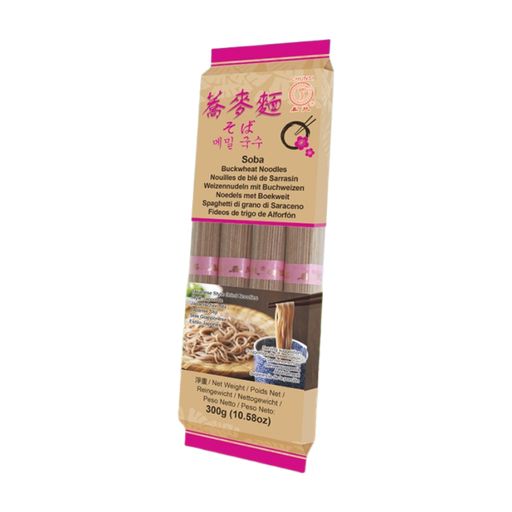
- What makes them different?: These noodles blend wheat flour (84%) and buckwheat flour (15%), offering the perfect balance between the softness of wheat and the characteristic nutty taste of buckwheat. A simple composition and an aromatic profile make them a reliable and versatile choice.
- Key features?:
- Pronounced buckwheat flavour.
- Rich in dietary fibre.
- Quick cooking time of 4 to 5 minutes.
- Who are they for?? Fans of authentic flavours and Japanese dishes like zaru soba (cold noodles). They are also excellent in a clear broth or a mixed salad.
Baixiang Yam Noodles 300g
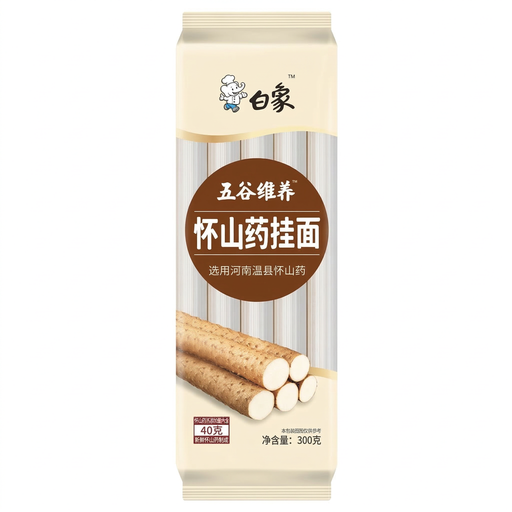
- What makes them different?: The addition of yam and konjac flour to the wheat flour gives these noodles a truly unique texture that is both tender and slightly elastic. A surprising alternative to classic 100% wheat noodles.
- Key features?:
- Original texture with a very pleasant mouthfeel.
- Recipe featuring yam and konjac.
- Highly versatile: soups, stir-fries, salads.
- Who are they for?? Curious cooks looking to explore new textures. Their consistency pairs wonderfully with rich sauces or braised dishes.
Weichang Sweet Potato Vermicelli 300g
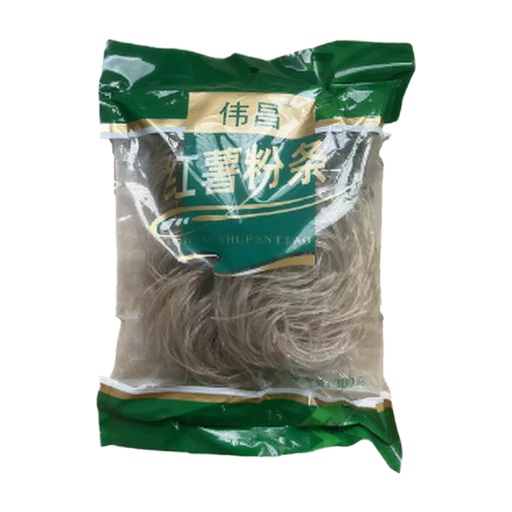
- What makes them different?: Made from sweet potato starch, these vermicelli are a staple in many Asian cuisines. Their ability to turn translucent and absorb flavours is simply stunning. Bonus: they are naturally fat-free.
- Key features?:
- Delightfully elastic and chewy texture.
- Minimalist ingredients: sweet potato starch, corn starch, water, salt.
- Essential for Chinese hot pots, soups, and the famous Korean japchae.
- Who are they for?? A must-have for fans of Korean and Chinese cuisine. They are also an excellent option for those seeking wheat alternatives (note: always check the packaging for risks of cross-contamination).
Toyoung Highland Barley Noodles 300g
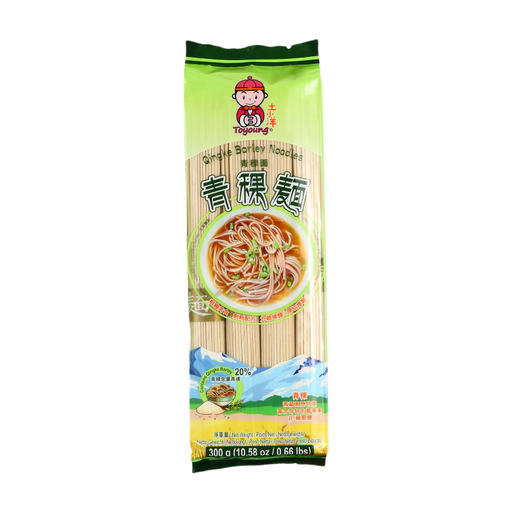
- What makes them different?: These barley noodles are made from Tibetan highland barley (青稞, qingke), an ancient grain renowned for its nutritional value. The result is a pronounced grain flavour and a firm texture with a satisfying bite.
- Key features?:
- Excellent source of fibre (8g per 100g).
- Ultra-simple recipe: barley flour, water, salt.
- Rustic texture and strong grain flavours.
- Who are they for?? Health-conscious consumers and cooks in search of something new. They add character to the simplest dishes, like a vegetable stir-fry or a beef broth.
Want to Explore More??
This selection is just an appetiser. To discover other varieties, sizes, or brands and for more variety, feel free to browse our full catalogue.
Discover our full range of 300g noodles
Frequently Asked Questions (FAQ)
1. What is the difference between Asian noodles and Italian pasta?? The main difference lies in the ingredients and preparation. Italian pasta is made almost exclusively from durum wheat semolina. Asian noodles, on the other hand, can be made from soft wheat, rice, buckwheat, or various starches (sweet potato, mung bean...). Their shapes and production methods also vary widely, which determines their culinary use.
2. How should I store dry Asian noodles?? Store them in a cool, dry cupboard, away from light. Once the package is opened, it's best to transfer them to an airtight container to protect them from moisture and maintain their freshness.
3. Are sweet potato vermicelli gluten-free?? In theory, yes. Vermicelli made solely from sweet potato starch and water do not contain gluten. However, it's always a good practice to check the ingredient list on the packaging, as some facilities also process wheat-based products, creating a risk of cross-contamination.


