
Livraison le jour même ou le lendemain

Qualité garantie

Débloquez vos offres de bienvenue: Livraison GRATUITE | Jusqu'à -80 % | 30 jours d'essai gratuits à JoyPlus
Téléchargez l'application
Asian mushrooms are essential in soups, hot pots, stir-fries and vegetarian recipes. Yet choosing the right ones isn’t always straightforward: between dried mushrooms, tinned varieties, ready-to-eat preparations and very salty sauces, the format and ingredients can completely change how you use them — and the final result on your plate.
Whether you cook regularly at home, are looking for the right ingredients for a Chinese recipe, or are stocking up for a restaurant, three common pitfalls keep cropping up.
A packet of dried mushrooms may look light, but its contents expand significantly once rehydrated. Conversely, with tinned Asian mushrooms, the stated weight usually includes the brine. So always check the drained weight when it’s listed.
For example, a 425 g tin of straw mushrooms may contain only around 230 g of product once drained. That’s a useful detail for working out the cost per portion and making sure you don’t buy the wrong amount.
Dried mushrooms are generally not ready to eat. Dried shiitake mushrooms, wood ear mushrooms and other dehydrated varieties need to be rehydrated, rinsed and then cooked according to the instructions on the packet.
A pre-seasoned product may seem more convenient, but it can also contain more salt, oil or sugar. Make sure you know the difference between a raw ingredient and a ready-to-eat preparation.
Commercial names aren’t always enough to identify the product. A “black fungus” could refer to dried wood ear mushrooms, while a packet of enoki might be a seasoned preparation rather than fresh mushrooms to cook with.
Take the time to read the ingredients list, storage instructions, allergens and whether soya sauce, wheat, sesame or egg are present.
To compare two products, look at the actual proportion of mushrooms. A sauce might contain 25% shiitake, while an enoki preparation could contain 55%. The rest is usually water, oil, salt, spices or other seasonings.
In a mushroom sauce, also check the allergens. Tongdayi sauce, for instance, contains soya, wheat and sesame, as well as flavour enhancers and a preservative. This information matters especially for anyone with allergies or following a specific diet.
Instructions vary from product to product:
Never eat any food from a tin that is bulging, rusty or leaking. For imported products, always rely on the information on the packaging distributed in France.
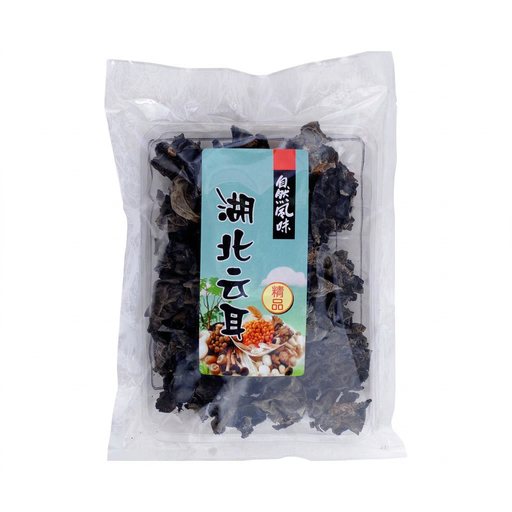
Why this product fits: this packet of dried black fungus lets you make homemade stir-fries, soups or salads over several meals.
The product clearly states a 1 to 2 hour soak, a rinse and removal of tough stems — the instructions leave no room for doubt.
Just one ingredient: Auricularia auricula-judae, sold in a 100 g format and easy to store in a dry place.
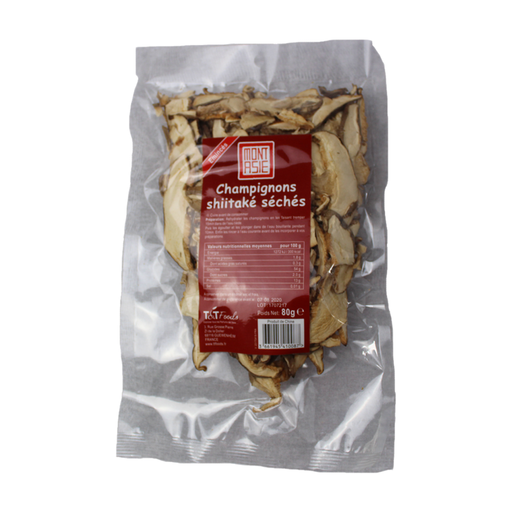
Why this product fits: these dried shiitake slices are perfect for broths, stews, stir-fries and mushroom sauces.
The pre-sliced format reduces preparation time and saves you having to chop the mushrooms after rehydration.
The product consists of dehydrated shiitake and recommends a 20 to 30 minute soak.
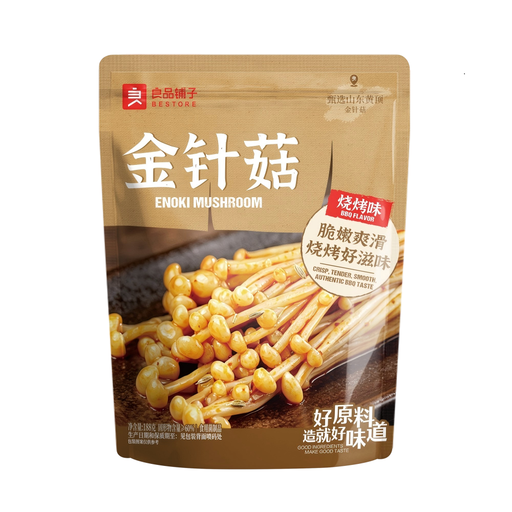
Why this product fits: this enoki-based preparation is ready to eat. It goes with rice and noodles, or can simply be enjoyed as a starter.
The label clearly states it is a ready-to-eat product, not fresh enoki that would need cooking.
A 188 g format, ambient storage before opening, and soya clearly listed on the label.
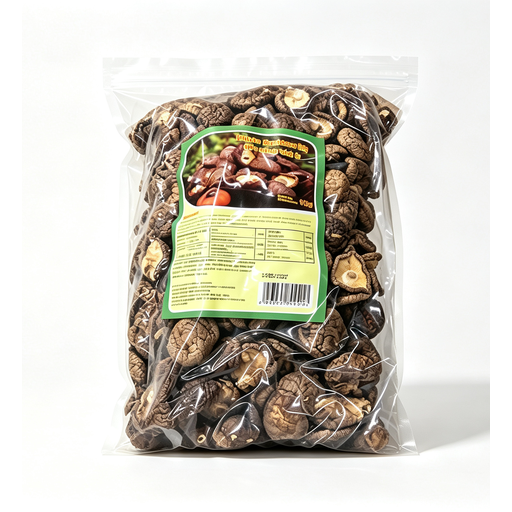
Why this product fits: this bulk pack meets the needs of restaurants and households that cook often.
The ingredients are 100% dried shiitake — no sauce or seasoning artificially inflates the weight you’re paying for.
A 1 kg format ideal for soups, hot pots, sauces, stuffings and vegetarian dishes made in bulk.
Mushroom sauce can complement these ingredients. Sold in a 210 g jar, Tongdayi Oil Chicken Mushroom Sauce contains 25% shiitake and works well with rice, noodles, steamed buns or stir-fried dishes. For a spicier option, Zhongjing sauce with Sichuan pepper and chilli is great for marinades, vegetables, tofu or noodles. In both cases, go easy: the labels show 4.5 g and 4 g of salt per 100 g respectively.
Find an updated selection of dried, tinned and ready-to-eat mushrooms, plus preparations suited to Asian cooking in France.
Rinse them quickly, then soak them in warm water for 20 to 30 minutes, unless the packaging says otherwise. Remove the tough stems and rinse the mushrooms before cooking. The soaking water can be strained and used in a broth, provided it is clean and suitable for that purpose.
No. Wood ear mushrooms and other black fungus sold dried must be rehydrated and then cooked. Do not eat them straight from the packet. Tinned or pre-prepared products will have a label stating whether they are ready to use.
A Chinese mushroom soup kit usually contains a mix of varieties and a seasoning sachet. Yunnan boxes sold in portions claim a quick preparation time of around 30 minutes, whereas a traditional recipe may need a longer cook with poultry, bones and ginger. With a simple packet of mushrooms, you have more control over the amount of salt, the broth and the added ingredients.