
Livraison le jour même ou le lendemain

Qualité garantie

Débloquez vos offres de bienvenue: Livraison GRATUITE | Jusqu'à -80 % | 30 jours d'essai gratuits à JoyPlus
Téléchargez l'application
Asian mushrooms come in many forms: bags of dried mushrooms, tinned varieties, soup mixes, or ready-to-eat products. This choice is convenient, but it can quickly make shopping more complicated. A product labelled as “authentic” won’t necessarily be the best fit for a quick stir-fry. Similarly, a large pack loses its appeal if you rarely cook with these ingredients.
Before you fill your basket, there are three pitfalls to avoid:
Each variety has its own texture and plays a different role in cooking:
For occasional use, a 50–100 g bag of dried mushrooms stops you from tying up a large amount of product in the cupboard. A restaurant, a large family, or a cook who regularly uses these ingredients, on the other hand, might prefer a 1 kg pack, such as the VN Shiitake Mushroom/Nam Huong 1 kg.
Preparation instructions should be clear enough:
For tinned products, drain and rinse them according to your preference. Once the tin is opened, transfer the contents to a suitable container, place it in the fridge, and respect the storage time stated on the pack.
A product made from 100 % mushrooms gives you more freedom in the kitchen. On the other hand, a pre-seasoned recipe may contain oil, sugar, salt, soya, or various additives.
This difference matters especially when preparing a vegetarian mushroom sauce. A sauce containing chicken stock or chicken flavourings is not suitable for a vegetarian diet, even if it contains several mushroom varieties. Also check for mentions of soya, gluten, sesame, eggs, and nuts.
Under European regulations, the label must tell you the product’s composition, allergens, net quantity, origin, storage conditions, and the best-before or use-by date.
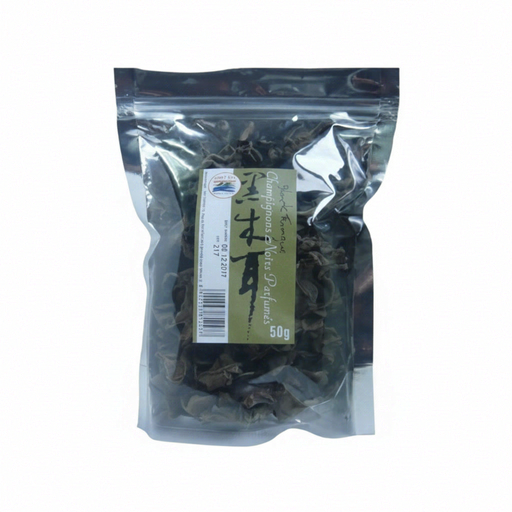
Why this choice suits this profile: At 50 g, this bag lets you discover dried black fungus without investing in a large pack. It’s perfect for your first stir-fries, soups, and noodle dishes.
The ingredient list states 100 % dehydrated black fungus, with no declared allergens. The small size also reduces the risk of the product sitting unused at the back of the cupboard.
A compact bag, storage in a cool, dry place, a simple ingredient list, and preparation by rehydration.
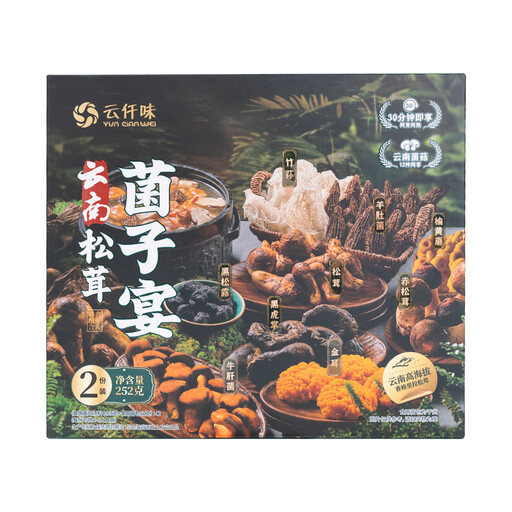
Why this choice suits this profile: This assortment brings together twelve varieties, including morel, porcini, truffle, matsutake, and shiitake. It’s aimed at those who want to prepare an Asian soup or hot pot with particularly varied flavours.
The ingredients list details each variety and separates the mushroom bag from the soup base. However, the presence of soya and egg in the seasoning should be checked.
Twelve different mushrooms, two stated portions, and two preparation methods, including a soup ready in 30 minutes.
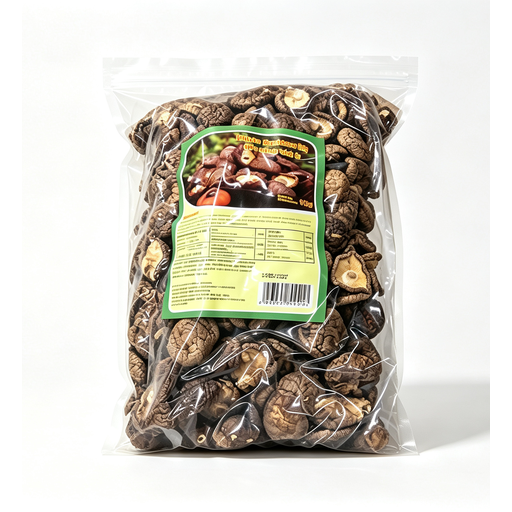
Why this choice suits this profile: The 1 kg bag is ideal for kitchens that regularly use dried shiitake in broths, hot pots, dumplings, stir-fries, and sauces.
It’s a single ingredient, with no added sauce or seasoning. This means you stay in control of the amount of salt, oil, and other ingredients in your recipe.
100 % dried shiitake, a stated soaking time of 20 to 30 minutes, and a format suitable for both professional kitchens and regular home cooking.
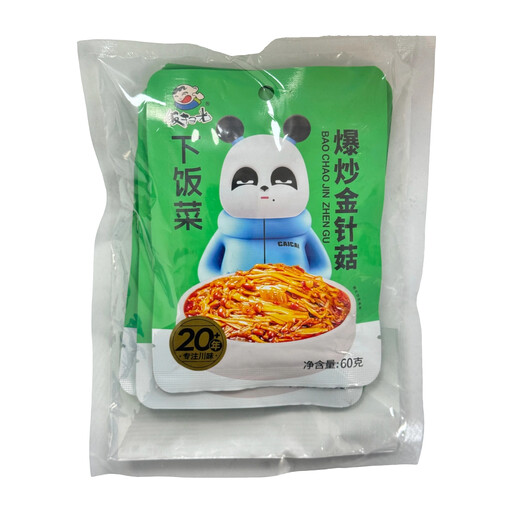
Why this choice suits this profile: The five individual portions can be eaten straight away as a side dish, with rice or noodles, with no soaking or extra cooking needed.
The enoki mushroom content is stated at 55 %. This makes it easy to distinguish the main ingredient from the oil and seasoning.
A 60 g × 5 format, storage at room temperature before opening, and a clear “ready to eat” label. The salt content is worth a quick check, though.
If you want to cook without the soaking step, tinned straw mushrooms are another practical option. Brands like GS or Fu Xing can be quickly added to a stir-fry, curry, or soup once drained. To enhance vegetables, tofu, or seitan, a vegetarian mushroom sauce such as MAGGI or Amoy can also earn a place in your cupboard. Just remember to check the allergens and salt content.
We’ve put together a comprehensive, real-time selection of products that meet these exacting criteria as well as European food safety regulations.
Rinse them quickly, then soak them in warm water for around 20 to 30 minutes, or according to the instructions on the pack. Remove any tough stems if necessary. Once strained, the soaking water can be used as a base for a soup or sauce.
When a product is clearly labelled ready to eat, it can be served straight after opening. Fresh or dried enoki, on the other hand, must be prepared according to the instructions on their pack. Any opened product should be stored in the fridge, following the manufacturer’s guidelines.
A large bag of dried shiitake is suitable for frequent use. Stored in a dry place, they can be portioned out as needed for recipes. To save time during service, tinned straw mushrooms and pre-prepared sauces can complement this stock.