
Livraison le jour même ou le lendemain

Qualité garantie

Débloquez vos offres de bienvenue: Livraison GRATUITE | Jusqu'à -80 % | 30 jours d'essai gratuits à JoyPlus
Téléchargez l'application
Asian mochi is loved for its soft, stretchy glutinous rice dough and variety of fillings. However, not every product is designed for the same purpose. A filled Japanese mochi, a Korean tteok-style mochi, a Chinese glutinous rice ball or an ice cream mochi will all need to be stored and enjoyed differently.
Before ordering mochi online, there are three pitfalls to avoid:
For immediate enjoyment, look for the words ‘ready to eat’. Mochi filled with peanut butter, fruit, matcha or red bean are generally sold in this form.
Some products do, however, need to be cooked. CHINATOWN Glutinous Rice Ball Peanut & Sesame 200 g, for example, consists of frozen, uncooked glutinous rice balls. Place them in boiling water until they rise to the surface, then continue cooking for around one to two minutes. This format is better suited to a dessert prepared at home than to an impromptu sweet snack.
Korean recipes such as chaltteok, tteok and chapssal tteok often focus on an elastic texture and a red bean paste filling. They can be eaten as they are, following the instructions on the packaging.
Glutinous rice dough gives mochi its soft, slightly stretchy texture. In a Japanese daifuku, it generally surrounds a dense filling such as peanut paste, red bean, cream or fruit.
With ice cream mochi, the temperature completely changes the eating experience. Some varieties benefit from resting at room temperature for a few minutes before eating: the outer layer softens while the centre remains cold. Just make sure you do not allow them to thaw completely. A frozen dessert must never be refrozen once thawed.
The uniform appearance of a glutinous rice cake does not mean that its ingredients are simple. In particular, check for:
Nutritional values are generally given per 100 g. To compare two formats, also consider the total weight and number of pieces. A pack of six 33 g pieces cannot be compared directly with a 120 g bag without calculating the portion actually consumed.
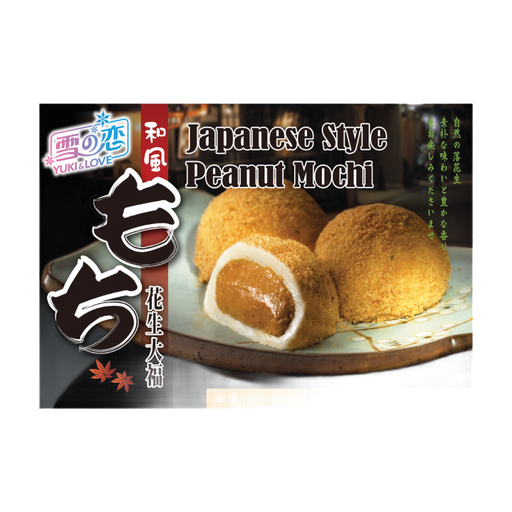
Why this choice suits this profile : At 210 g, this format lets you discover Japanese mochi with a peanut paste filling without immediately opting for a box of ice cream mochi or a more sophisticated selection.
This confectionery can be stored at room temperature, without the transport and storage requirements associated with frozen products.
Soft dough, a peanut filling and a coating of peanut powder. Please note the peanut and soya allergens.
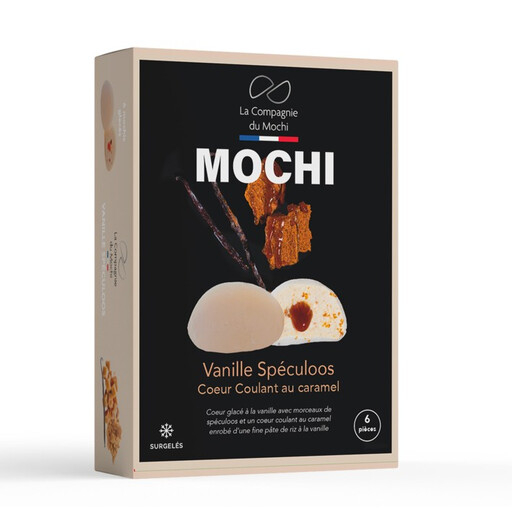
Why this choice suits this profile : This French box combines vanilla ice cream, speculoos pieces and a caramel centre, divided into six individual pieces.
The total weight, number of pieces and main allergens are clearly stated, allowing you to make your choice based on concrete information.
Six 33 g portions, storage at −18 °C and a texture best enjoyed after resting for a few minutes. Contains milk, gluten and soya.
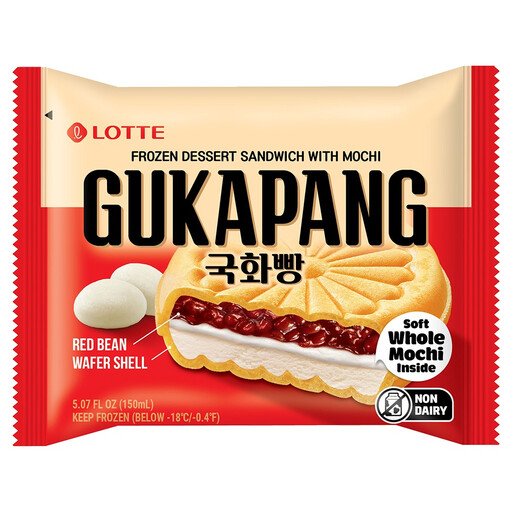
Why this choice suits this profile : This frozen Korean dessert combines a glutinous rice outer layer, ice cream and red bean paste for a contrasting eating experience.
The −18 °C storage requirement and the two- to three-minute resting time provide a simple guide for preserving the texture.
A 150 ml format, a red bean centre and a ready-to-eat preparation. Contains milk, soya and wheat.
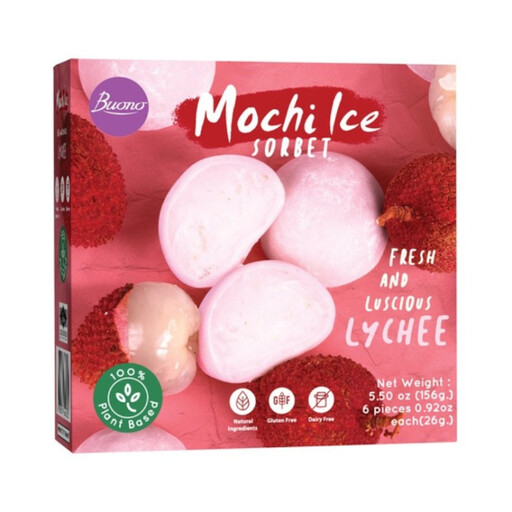
Why this choice suits this profile : This lychee sorbet mochi is ideal for those who prefer a fruity filling and a recipe advertised as dairy-free.
The product details specify the type of filling, the absence of declared major allergens and the need to keep the product frozen.
Lychee sorbet, a soft outer layer and individually wrapped portions. Store at −18 °C or below.
We have put together a complete, real-time updated list of products that meet these strict selection criteria and European safety regulations.
It depends on the product. Individually wrapped mochi stored at room temperature may have a long shelf life, but always follow the ‘best before’ date shown on the packaging. Once opened, reseal the bag and eat its contents promptly to prevent the mochi from drying out.
Ice cream mochi must be kept at −18 °C or below. Once thawed, it must not be refrozen.
Take out only the amount you want and leave it to rest at room temperature for a few minutes, following the manufacturer’s instructions. This allows the dough to soften while the centre stays refreshingly cold. However, avoid extending the thawing time, as this could affect the dessert’s shape and quality.
Glutinous rice dough is stretchy and may present a choking hazard, particularly for young children. Check the manufacturer’s warnings, cut the mochi into small pieces if necessary and always supervise children while they eat it. If you have an allergy, be sure to check the full ingredients list and any ‘may contain’ warnings before buying.