
Livraison le jour même ou le lendemain

Qualité garantie

Débloquez vos offres de bienvenue: Livraison GRATUITE | Jusqu'à -80 % | 30 jours d'essai gratuits à JoyPlus
Téléchargez l'application
Asian milk drinks are winning people over with their unique flavours, convenient formats and recipes that can feel a world away from what we’re used to in the UK. But a tempting promise on the packaging isn’t enough to guarantee a smart purchase. From Asian-style milk drinks and soya drinks to flavoured milk, powdered preparations and multi-packs of milk beverages, the differences in ingredients and how you use them can be huge.
Before you fill your basket, there are three pitfalls worth paying close attention to:
Start by looking at the ingredients list, which is given in descending order. For a Japanese milk drink or an imported speciality, check for the presence of milk, milk powder or milk proteins. On the other hand, some products are mainly water and sugar.
A soya drink can replace regular milk, but that doesn’t automatically mean it’s low in sugar. Vitasoy Banana Flavour Drink, for example, contains soya extract, sugar, maltodextrin and banana juice. So it’s aimed more at fans of flavoured drinks than at those looking for a low-sugar, natural option.
If you have an allergy, read the “contains milk”, “contains soya” labels carefully, as well as any possible traces of allergens listed on the UK packaging or product page.
To compare different products, use the same basis for calculation. In particular, look at:
A flavoured milk or a bubble-tea-style milk tea can be lovely to drink, but it’s often a treat. Sold in 350ml bottles, Rico Original Flavour Milk Bubble Tea, for example, contains 7.1g of sugar per 100ml and tapioca pearls. A safety note must also be followed: children under 3 should not consume it, because of the choking risk from the pearls.
On the other hand, a high-protein milkshake should be judged by the amount of protein per bottle, not just by the word “protein” on the front of the pack.
Smaller formats fit easily into a school bag, your desk drawer or a bag for on the go. Large multi-packs cut down on repeat orders, but take up more space and need to be used before the date on the pack.
For a whole milk powder preparation, check the net weight, how well the container seals and the instructions after opening. NIDO Nestlé Instant Whole Milk Powder contains 99.70% whole milk powder and 0.30% soya lecithin. Its product page states 25.7g of protein and 28.2g of fat per 100g. It can be mixed with water to drink as is, or used in cooking and baking. However, the label on the product you receive is the definitive reference – information can change.
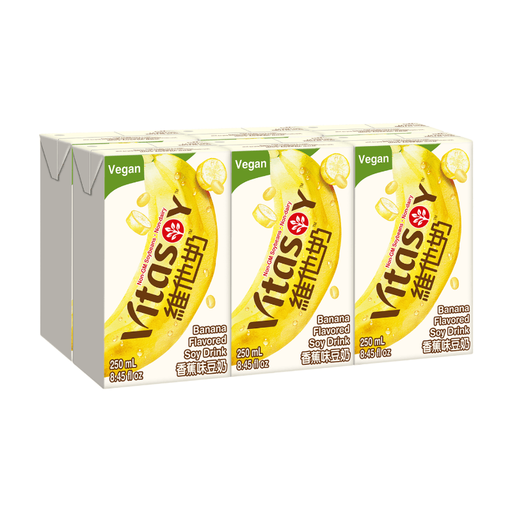
Why this suits this profile: This pack of six 250ml cartons lets you try a flavoured soya drink without buying a large volume. Each carton slips easily into a bag and is perfect for a daytime break.
The individual format and the values given per 100ml help you control your portions, without mistaking this banana recipe for plain milk.
Six 250ml cartons, a soya base, banana flavour and 1.5g of protein per 100ml according to the product page.
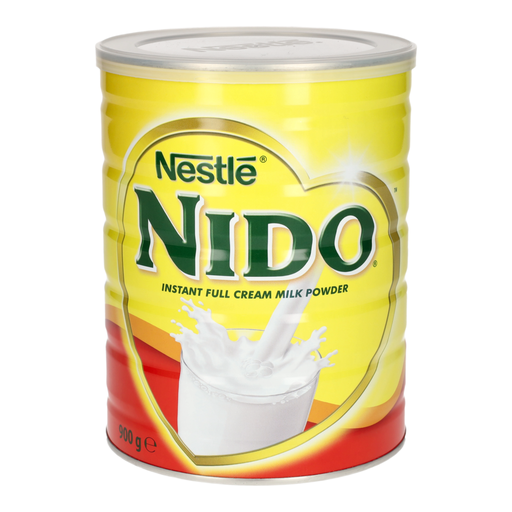
Why this suits this profile: This 900g tin is ideal for households looking for a versatile preparation for hot or cold drinks, as well as for homemade recipes.
The detailed ingredients confirm it is a whole milk powder, not a preparation dominated by sugar or flavourings.
99.70% whole milk powder, 25.7g of protein per 100g and storage in a resealable tin in a dry place.
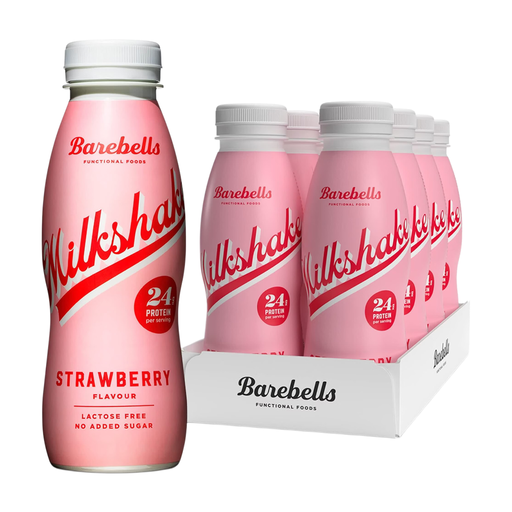
Why this suits this profile: The eight ready-to-drink bottles are designed for anyone who wants a quick option after a workout or during a busy day.
The product page clearly states 24g of protein per bottle and no added sugars. However, note that “lactose-free” does not mean milk-free, as the recipe does contain dairy ingredients.
24g of protein, 330ml per bottle, a lactose-free recipe and a pack of eight. Once opened, the product must be kept refrigerated and consumed within 24 hours.
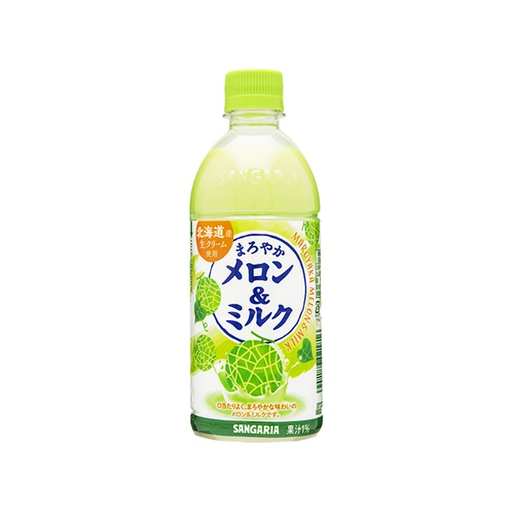
Why this suits this profile: This Japanese drink combining melon and milk lets you discover an original flavour during a refreshing break, whether at home or in the office.
The product page gives the volume, the presence of dairy ingredients and the nutritional values, including 49kcal and 9.2g of carbohydrates per 100ml.
A 500ml format, a silky texture and a melon flavour. Store away from sunlight, heat and humidity.
Start by comparing the format and the sugar content per 100ml. Cartons of 125 to 250ml are easy to portion, while a 500ml bottle is better suited to drinking over several sittings. If you’re looking for a less indulgent option, a plain milk powder also lets you prepare the amount you want yourself.
Yes, it absolutely can. The lactose-free label usually means the lactose has been removed or broken down, but it doesn’t mean “no milk proteins” or “no milk”. Always check the allergen list before you buy.
Always follow the instructions on the label first. Ready-to-drink drinks often need to be refrigerated after opening and consumed quickly. Powdered preparations should be kept in a cool, dry place, away from moisture, with the container sealed tightly. For drinks containing tapioca pearls or suspended ingredients, give them a gentle shake before drinking if the packaging recommends it.