
Livraison le jour même ou le lendemain

Qualité garantie

Débloquez vos offres de bienvenue: Livraison GRATUITE | Jusqu'à -80 % | 30 jours d'essai gratuits à JoyPlus
Téléchargez l'application
Asian instant noodles meet a very real need: preparing a meal in just a few minutes at the office, in a student flat or at home. But when comparing different products, the packaging alone isn't always enough. A promise of "intense flavour", an oversized box or a particularly tempting picture can make you lose sight of what really matters.
Before you stock your cupboards with instant ramen, keep three common pitfalls in mind:
Sachets are generally designed for hob-top preparation. Pots are more practical at the office or on the go, as long as you have access to a kettle. In both cases, check the amount of water needed and the preparation time.
When building a stock, compare the total weight rather than the number of packets. A pack of 5 × 70 g is not the same quantity as a box of 20 × 120 g. Large packs can suit a household that eats them regularly, while a smaller pack is wiser for trying a new recipe.
Japanese instant noodles like Demae Itcho often come with a broth base and a seasoning sachet to add after cooking. Korean varieties are generally spicier. Some, like the Chapaghetti versions, are prepared by draining almost all the water before adding the sauce.
Instant stir-fried noodles are therefore not prepared in quite the same way as classic ramen:
Thai noodles and Tom Yum varieties often combine acidity, chilli, lime and prawn. Their profile is very different from chicken-flavour noodles, which are generally milder and easier to dress up with an egg or some vegetables.
Nutritional values are usually given per 100 g, even though the packet may weigh 70, 80, 100 or 120 g. To compare two products properly, work out the figures for the portion you will actually eat.
A few useful habits:
Added garnishes — frozen vegetables, mushrooms, tofu, egg or leftover chicken — make it easy to refresh the recipe. However, they do not change the storage instructions for the product as long as it remains unopened.
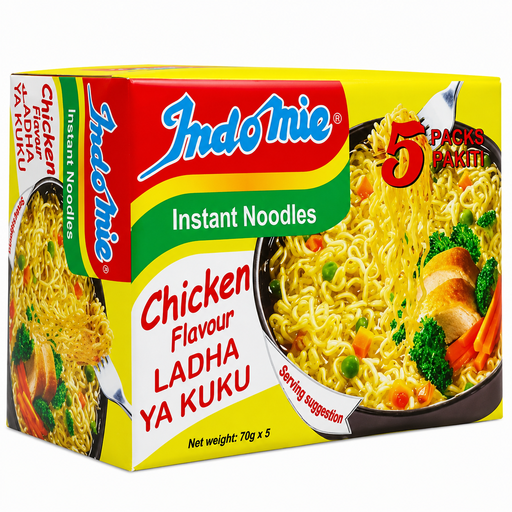
Why this choice suits this profile: With five portions, this pack lets you discover chicken-flavour noodles without filling your cupboard. Depending on the amount of water you use, you can prepare them as a soup or with very little broth.
The small pack avoids buying a large quantity before you know the taste and seasoning level.
Five individual 70 g sachets, quick cooking and the option to add an egg, vegetables or leftover meat.
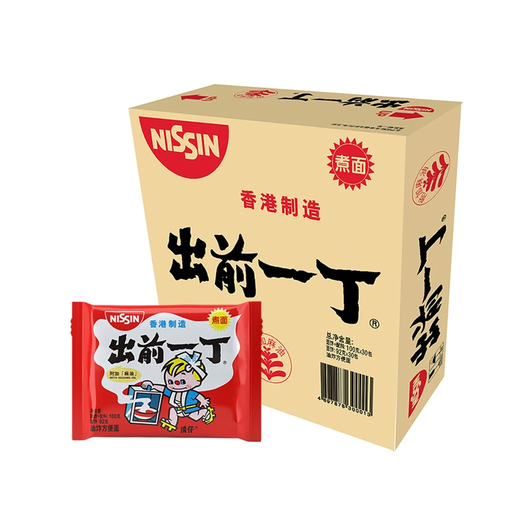
Why this choice suits this profile: Their sesame seasoning and box of 30 sachets are aimed at those who love a consistent flavour and a well-stocked supply.
The total weight is clearly stated: 30 × 100 g, i.e. 3 kg. You can easily calculate the cost per portion and the storage space needed.
A box of 30 portions, an aromatic sesame oil base and simple storage in a cool, dry place.
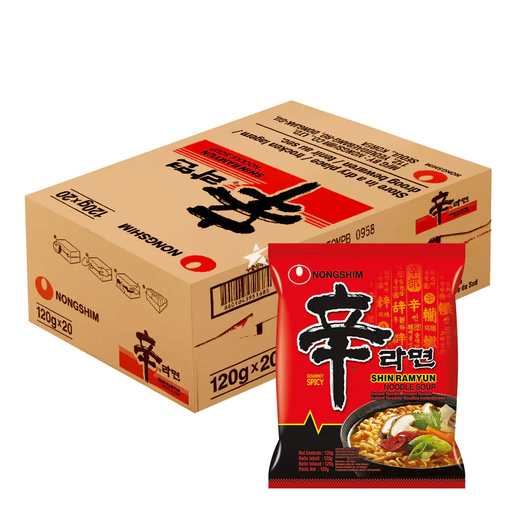
Why this choice suits this profile: The box of 20 × 120 g portions is ideal for regular consumption and for fans of a well-spiced Korean broth.
The spicy nature is clearly stated. It is better to choose it knowingly than to rely solely on the packet image.
20 sachets of 120 g, a cooking time of 4 to 5 minutes, dehydrated vegetables and a spicy seasoning.
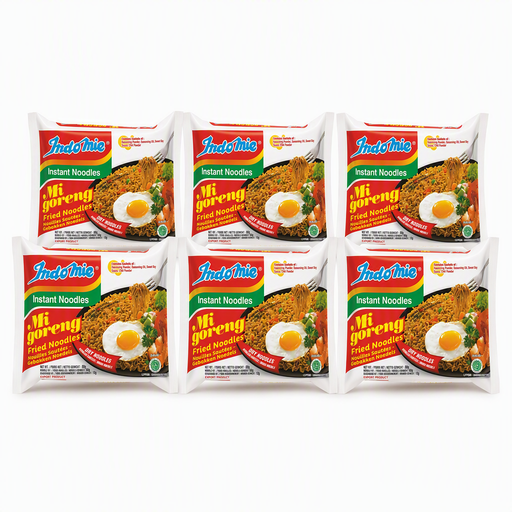
Why this choice suits this profile: This pack is for those who prefer broth-free noodles, lifted by a sweet soy sauce, aromatic oil and seasoning powder.
The "Mi Goreng" label and draining instructions clearly distinguish it from an instant noodle soup.
Six 80 g sachets, quick preparation and a format that is easy to customise with vegetables, an egg or plant-based protein.
We have put together a comprehensive, real-time updated selection of products that meet these exacting criteria as well as European safety standards.
Use a heat-resistant container and follow the amount of water stated on the packet. For a pot, generally pour in boiling water, cover and leave to stand for the recommended time. For a sachet, check whether it needs to be cooked on the hob. Do not eat the dry noodles without following the manufacturer's instructions.
Keep unopened packets in a dry, cool place away from light. The best-before date is on the packaging. After opening, prepare the product straight away and do not leave a cooked portion at room temperature for several hours.
The level of chilli can vary greatly between a Japanese instant ramen, Korean instant noodles and Tom Yum noodles. Where possible, start with only part of the seasoning, then add more to taste. You can also add vegetables or a side dish. Finally, remember to check the salt content and the allergen list before buying.