
Livraison le jour même ou le lendemain

Qualité garantie

Débloquez vos offres de bienvenue: Livraison GRATUITE | Jusqu'à -80 % | 30 jours d'essai gratuits à JoyPlus
Téléchargez l'application
An Asian hot sauce can transform a bowl of noodles, fried rice or grilled vegetables in seconds. But between chilli sauce, sriracha sauce, chilli oil, chilli paste and sweet chilli sauce, the differences are far from trivial. A very hot bottle won’t necessarily suit a marinade, while a mild sauce may lack character in a stewed dish.
To avoid disappointing purchases, here are the key criteria to consider, along with a selection of products available on Joybuy that suit French cooking habits.
The sensation of heat alone doesn’t describe a sauce. A spicy Korean sauce can blend chilli, garlic, soy sauce and sweet notes. A spicy Chinese sauce will focus more on oil, fermented beans or Sichuan pepper. A Thai-style sriracha sauce typically brings acidity, garlic and sugar.
It’s therefore better to read the ingredient list than to rely solely on marketing claims like “extra hot” or “fiery”. The proportion of chilli, as well as the presence of garlic, vinegar, oil or sugar, gives a much more reliable idea of the final taste.
Asian preparations may contain soya, peanuts, sesame, mustard or gluten. Check this information on the label of the product you receive: the composition can vary depending on the target market or batch.
The salt content is also worth a look. Some sauces exceed 5 g of salt per 100 g, or even more. If you already use soy sauce, stock or marinated foods, a small amount of condiment can easily be enough.
A 700 or 800 g bottle may seem economical, but you still need to use the sauce regularly. A noodle sauce used every week isn’t managed the same way as a chilli paste intended to occasionally spice up a couscous or soup.
Check the storage conditions after opening: several products must be kept in the fridge and consumed within a certain time. A sauce that loses its texture or aroma before it’s finished isn’t such a good deal after all.
A very runny sauce spreads easily over a dish, while a thick sauce clings better to meat, fried foods and vegetables. To control the heat more easily, choose a bottle with a dosing cap or one that lets you add the condiment gradually.
Always start with a small amount, especially with a hot pot sauce, a concentrated paste or a sauce advertised as very hot.
For a purchase in France, check in particular:
These elements allow you to compare products on concrete grounds, without relying solely on the claimed origin or the packaging design.
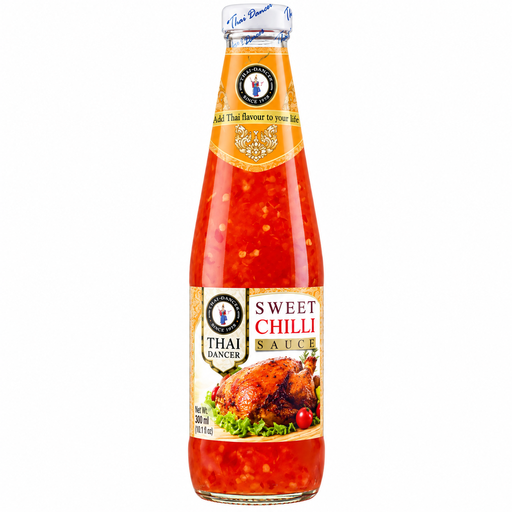
Why this profile suits it: A mild, versatile sauce for discovering chilli condiments with spring rolls, chicken, vegetables or prawns.
Its sweet-spicy profile makes it easy to adjust the dosage, without starting with a very concentrated paste.
300 ml format, with 15% red chilli and 8% garlic stated in the ingredients. Keep refrigerated after opening.

Why this profile suits it: A chilli oil with peanuts and chilli flakes, to spoon over rice, noodles or congee.
It combines heat with a clearly identifiable texture, rather than relying solely on chilli strength.
275 g jar, with peanuts and soya. Refrigeration after opening is recommended to preserve the crunch.
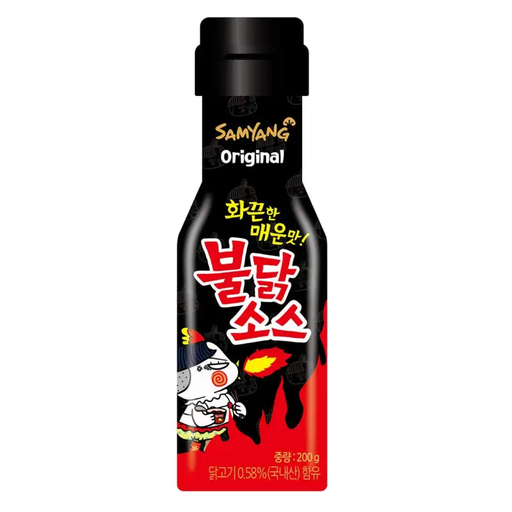
Why this profile suits it: A spicy Korean sauce to add to ramen, fried rice, burgers, fried chicken or marinades.
The bottle lets you adjust the dose. The product page notes a pronounced heat: start with a few drops.
200 ml bottle, with red chilli, garlic and soy sauce. Refrigeration recommended after opening.
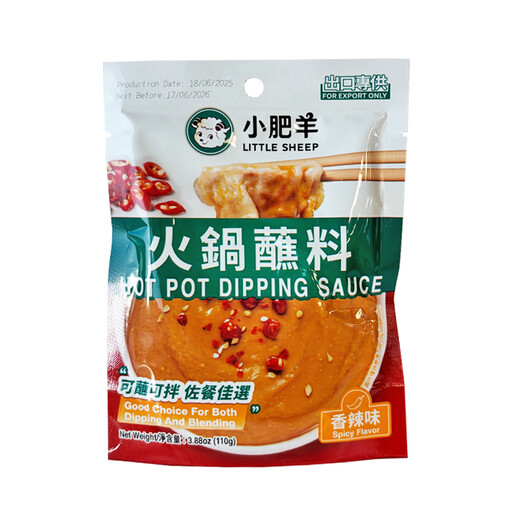
Why this profile suits it: A creamy table sauce made with peanut butter, designed for hot pot, noodle salads and cold dishes.
Its thick texture is suited to dipping: it doesn’t behave like a simple runny sauce to pour.
110 g pack, with peanuts, soya and sesame. Ready to use, it’s served as a side or used in cooking.
To prepare a Thai dish without improvising, the Lobo Spice Paste Satay and Sauce 100 g contains two separate sachets, one for the marinade and the other for the satay sauce. It works well with chicken, but requires particular attention if peanuts, mustard, soya or gluten are present.
For a stewed dish or hot pot, the Hao Ren Jia Spicy Crawfish Seasoning Mix 200 g is intended for around 1.5 kg of crawfish, according to the instructions provided. It contains chilli, Sichuan pepper and fermented soya paste. The preparation must be cooked.
Fans of concentrated pastes can also turn to Le Phare du Cap Bon harissa, made from 87% red chilli, with garlic, coriander and caraway. It doesn’t replace a sriracha sauce, but it does spice up couscous, tagines, broths and grilled meats very well.
Find an updated selection of chilli sauces, oils and pastes to compare formats, uses and ingredients according to your needs in France.
Sriracha sauce is good for coating noodles or perking up a stir-fry thanks to its runny texture. For a crunchy touch, Lao Gan Ma chilli oil adds peanuts and chilli pieces. Buldak sauce brings a more pronounced Korean profile, to be added gradually.
Not necessarily before opening. Once the bottle is opened, many products do recommend refrigeration, especially when the sauce contains aromatic ingredients or pieces. Always check the label and close the bottle carefully after each use.
Mix it with a neutral or creamy ingredient, such as coconut milk, a peanut sauce or a stock base. You can also add it at the end of cooking, in small amounts, to gradually control the taste and the strength of the chilli.