
Livraison le jour même ou le lendemain

Qualité garantie

Débloquez vos offres de bienvenue: Livraison GRATUITE | Jusqu'à -80 % | 30 jours d'essai gratuits à JoyPlus
Téléchargez l'application
Shopping for Asian groceries online makes it easy to find noodles, sauces, snacks, frozen foods and ingredients that can be difficult to source in local shops. But an appealing photo or the words “traditional flavour” do not, on their own, guarantee the right choice.
Before filling your basket, three common pitfalls are worth keeping in mind:
Start by distinguishing between three main categories:
Also check the preparation instructions. Tteokbokki can sometimes be rehydrated, while taro balls need to be added to boiling water until they rise to the surface, then cooked for a few more minutes. These details determine how much time you need and what equipment is required at home.
Reading the label remains essential, even when you are already familiar with the product. Sriracha sauce may contain sugar, garlic and a thickener. Oyster sauce, meanwhile, can contain wheat and soy in addition to oyster extracts.
If relevant to you, pay particular attention to the presence of:
The statement “may contain traces” does not mean that the ingredient is necessarily present, but it should be taken seriously depending on your circumstances. Product pages may also specify additives, flavour enhancers and preservatives.
A large bottle of sauce can be cost-effective for a family that cooks regularly, but inconvenient for a student who only uses condiments occasionally. Conversely, individual portions of noodles, snacks or onigiri are easy to store, but can cost more per kilogram.
Compare:
Edamame, for example, can accompany a poke bowl, salad or fried rice. Rice paper can be used for spring rolls, appetisers and a range of stir-fried preparations. A product becomes far more valuable when it can be used across several recipes.
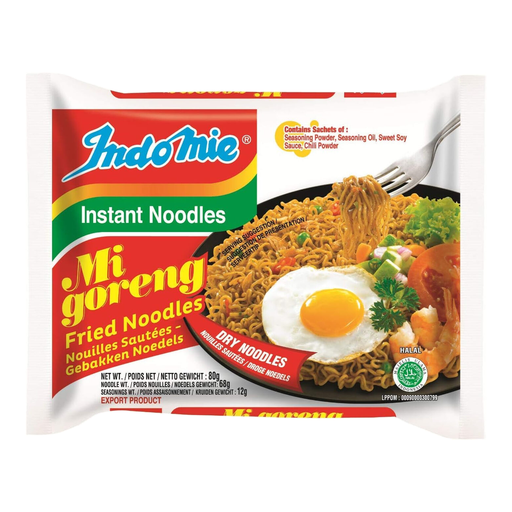
Why it suits this profile: an individual portion ready in just a few minutes, ideal for a quick meal at home, at the office or in student accommodation.
The product page specifies the weight, allergens — wheat, soy and sesame — and dry-storage requirements. You can complete the dish with an egg, vegetables or a source of protein.
80 g format, separate seasoning with sweet soy sauce and aromatic oil, and storage in a cool, dry place.
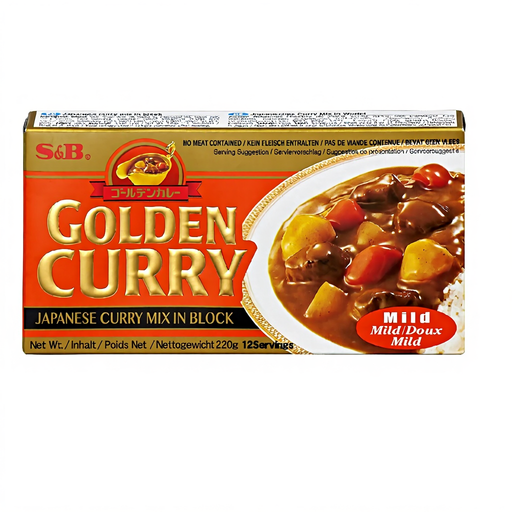
Why it suits this profile: these curry blocks make it easy to prepare a family-style Japanese curry by adding your choice of vegetables, meat or plant-based alternative.
The product contains no meat: allow for approximately 500 g of ingredients and 700 ml of water, as directed. Check for wheat before purchasing.
220 g format, preparation instructions in approximately five steps, a mild flavour and the option to serve with rice or noodles.
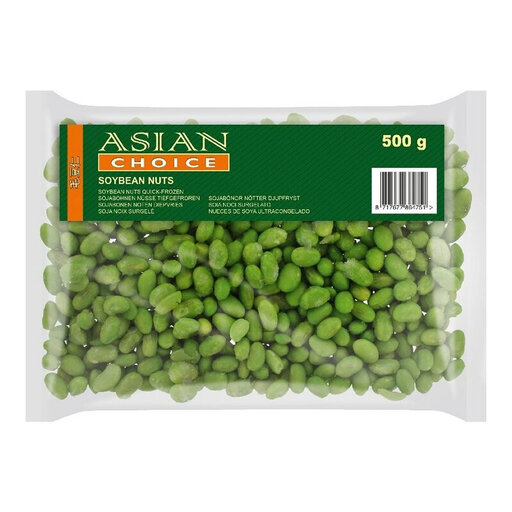
Why it suits this profile: a family-sized bag to keep in the freezer for quickly preparing a side dish, salad, poke bowl or fried rice.
This is a frozen product: make sure you have space at –18 °C or below and do not refreeze it after thawing. The ingredients list contains only soy.
500 g bag, suitable for preparation in boiling water, a steamer or microwave, with 11 g of protein per 100 g according to the product page.
Explore an up-to-date selection of Asian grocery products, with a range of formats, storage requirements and uses for your shopping in France.
When preparing several Asian specialities at home, certain product categories are particularly versatile:
Asian Choice wakame salad, for example, is delivered frozen. It can be thawed before serving as a side dish or added to a poke bowl. It contains sesame. For dessert, Fresh Asia tricolour taro balls can be cooked directly from frozen and must be eaten only once fully cooked.
Instant noodles, sriracha sauce, Japanese curry, edamame and rice paper require very little equipment. You can then add soy sauce or oyster sauce depending on the recipes you plan to prepare.
The main requirements are checking the delivery conditions, making sure you have enough freezer space and maintaining storage at –18 °C or below. Check each product page before completing your order: dry, refrigerated and frozen products require different handling and storage conditions.
Compare prices by weight, group dry products into the same order and choose larger formats only for items you use regularly. For sauces and condiments, also check the best-before date and the space available once opened.