
Livraison le jour même ou le lendemain

Qualité garantie

Débloquez vos offres de bienvenue: Livraison GRATUITE | Jusqu'à -80 % | 30 jours d'essai gratuits à JoyPlus
Téléchargez l'application
Asian grape drinks and snacks are popular thanks to their convenient formats, colourful packaging and flavours that can sometimes be hard to find in French supermarkets. However, the differences between a Korean grape drink, Japanese sweets and fruit jelly can be significant when it comes to sugar, portions and ingredients.
Before filling your basket, keep these three potential pitfalls in mind:
To compare an Asian grape juice, grape soda and a flavoured drink, start with the ingredients list, which is shown in descending order by weight. The quantitative declaration may also indicate the percentage of juice or concentrate.
For example, Haitai Bong Bong contains 0.82% white grape concentrate and 5% grape pulp. Its pulpy texture is its main attraction, but it should not be confused with 100% grape juice. WANT WANT Grape Juice Drink, meanwhile, contains 1% concentrated grape juice.
For a solid snack, Jia Jian Cheng Chu raisins have a particularly short ingredients list: seedless grapes. They can be enjoyed on their own, but can also be added to cereals, baked goods or certain savoury dishes.
The nutritional line ‘of which sugars’ makes it possible to compare products on a like-for-like basis, per 100 ml or 100 g. Remember to consider the portion actually consumed too: a 230 ml can and a 500 ml bottle are obviously not in the same category.
Here are a few figures taken from the product specifications:
A sugar-free grape drink therefore does not necessarily taste the same as a sweetened drink. Any sweeteners should be clearly listed among the ingredients. Families should also pay attention to colourings accompanied by a regulatory warning relating to children’s activity and attention.
Each format is suited to a different use:
Allergens require careful attention. The Eat Natural fruit and nut bar contains peanuts and almonds, among other ingredients. Sakuma sweets contain milk and soya. Depending on the product, the packaging may also mention traces of gluten, egg, milk, peanuts, soya, tree nuts or sulphites.
For imported products, check the date shown on the pack, the storage conditions and, where available, the contact details of the responsible operator in the European Union.
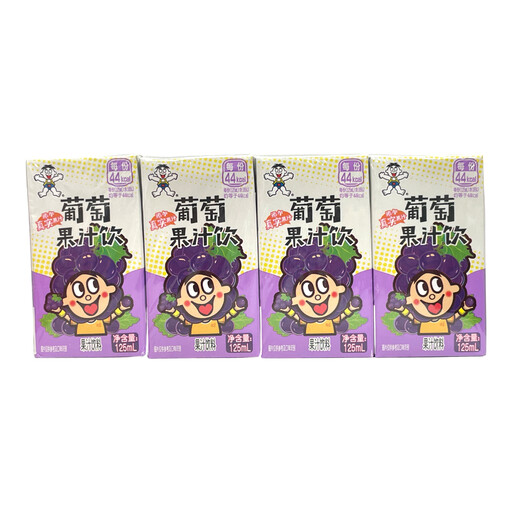
Why this product suits this profile : With four 125 ml cartons, this multipack lets you discover a new fruity flavour without committing to a large format. It is suitable for breaks, meals eaten out and keeping a small supply to hand.
The portion-sized packaging means you do not have to open a large bottle for a single serving. The product information states 1% grape concentrate and 35 kcal per 100 ml.
Four 125 ml cartons, storage at room temperature before opening and possible refrigeration after opening.
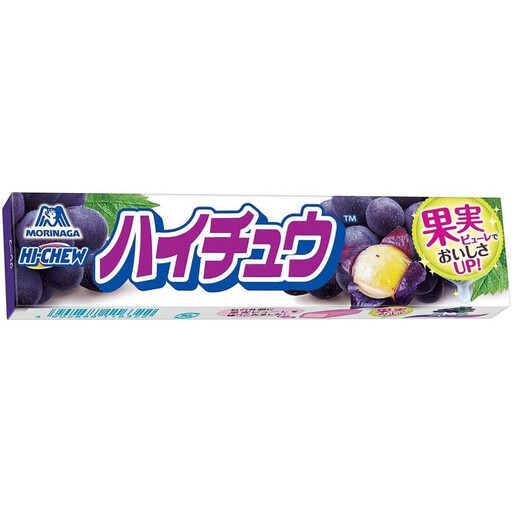
Why this product suits this profile : This Japanese format focuses on a chewy confectionery, ideal for anyone looking for a longer tasting experience than a hard sweet offers.
With a net weight of 55.2 g divided into 12 pieces, it is easy to assess how much you are consuming, without being swayed by colourful packaging.
Soft texture, grape juice concentrate and individually wrapped sweets to be kept in a dry place away from sunlight.
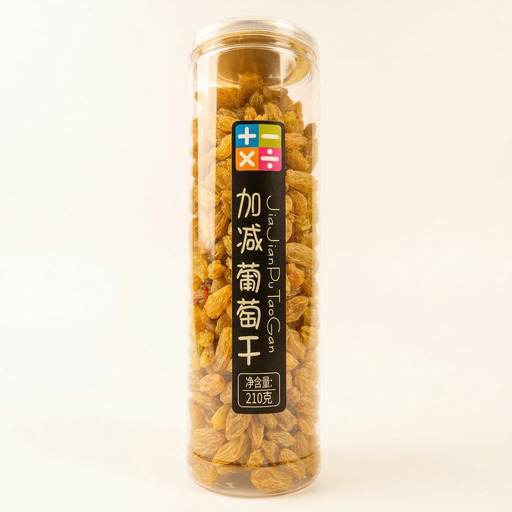
Why this product suits this profile : This 210 g pouch is suitable for students, families and anyone looking for a versatile dry snack to nibble on or use in cooking.
The ingredients list contains only raisins, so they cannot be confused with a flavoured confectionery.
Seedless raisins in a 210 g pouch, with no declared allergens, to be stored in a cool, dry place.
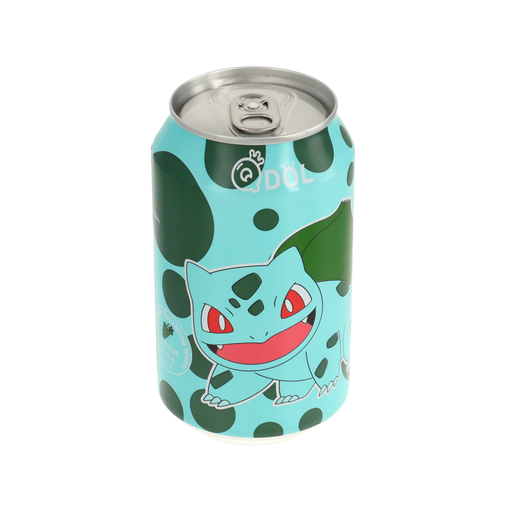
Why this product suits this profile : Available in a 330 ml can, this sparkling grape water is aimed at anyone who wants a fruity fizzy drink with no declared sugar.
The nutritional information states 0 kcal and 0 g of sugars per 100 ml. Sucralose is clearly listed among the ingredients.
A 330 ml flavoured sparkling water, best served chilled, with Pokémon packaging that should appeal to fans of licensed products.
We have brought together a complete, real-time updated selection of products that meet these strict criteria, as well as European safety requirements.
A Korean drink may come in the form of an ‘ade’, a juice with pulp or a pouch drink. Japanese grape soda generally consists of carbonated water, sugar or syrup, flavouring and sometimes grape extract. When comparing two products, it is better to look at the ingredients list, sugar content and volume rather than focusing solely on the country of origin.
Before opening, drinks, sweets, jellies and raisins can generally be stored in a cool, dry place away from sunlight. Once opened, a drink should be stored and consumed according to the instructions on the packaging, usually within a fairly short time. Products containing pulp or packaged in pouches may also need to be gently shaken before opening.
Grape sweets, individual jelly portions, raisins and fruit and nut bars are easy to carry. For families, check the allergens and any warnings associated with certain colourings. If you buy a multipack, compare the total weight, number of portions and best-before date to avoid storing more than you need.