
Livraison le jour même ou le lendemain

Qualité garantie

Débloquez vos offres de bienvenue: Livraison GRATUITE | Jusqu'à -80 % | 30 jours d'essai gratuits à JoyPlus
Téléchargez l'application
A craving for crispy biscuits, savoury snacks or specialities from further afield can quickly turn into a disappointing purchase. With especially appealing packaging, highlighted flavours and differences in pack size, comparing products available online is not always straightforward.
When choosing Asian and French biscuits and snacks, it is best to look beyond appearances. The ingredients list, actual weight, allergens and storage conditions often tell you far more than marketing claims.
A multipack of small bags is handy to pop in a bag or keep at work, but its price per kilogram can be significantly higher than that of a family-sized pack. Conversely, a large box of savoury biscuits or wafers may quickly lose its crunch once opened.
Take the time to compare:
“Salted butter caramel”, “cheese”, “lemon and osmanthus” or “vegetable” suggest a taste experience, but do not necessarily tell you how much of the relevant ingredient is actually included. Some recipes rely mainly on flavourings or seasoning powders.
For Chinese crisps, savoury crackers and Asian confectionery, check the ingredients. This will help you distinguish an ingredient that is genuinely present in a significant quantity from a simple flavouring.
Biscuits from China, South Korea or Thailand may contain wheat, milk, soya, eggs or peanuts. Wording such as “may contain traces of” should also be carefully noted by anyone with allergies or intolerances.
Before ordering imported snacks, make sure the packaging includes clear labelling in French, the name of the importer or responsible operator established in the European Union, the country of origin and the best-before date.
Ingredients are listed in descending order by weight. For a butter biscuit, for example, the position of butter in the list gives you a better idea of its role in the recipe. The LU Original Petit Beurre, sold in a 200 g pack, contains wheat flour, sugar, butter, skimmed milk powder and salt, among other ingredients. It contains milk and may contain traces of egg and sesame.
Fans of chocolate-filled biscuits can, for example, compare the ingredients in Granola Kango : the recipe lists 32 % wheat flour and 15 % chocolate powder, as well as milk, eggs and soya. This information helps you choose according to your tastes and dietary requirements, without judging a product’s overall quality by its name alone.
Values given per 100 g make it easier to compare different pack sizes. Pay particular attention to:
Savoury snacks and savoury biscuits can have very different salt levels. Heudebert crackers list 1.8 g of salt per 100 g, compared with 0.8 g for TUC Original crackers according to the product information consulted. For Asian products, spice blends and seasonings can also significantly affect how salty the flavour seems.
Crispy biscuits are particularly vulnerable to moisture. A resealable pack or a metal tin works well for sharing, while 20 to 30 g portions are better suited to enjoying on the go.
Once opened, store your biscuits in a cool, dry place away from direct sunlight. For some wafers, the product information recommends eating them within the days following opening. On delivery, the date printed on the packaging remains the key information to check.
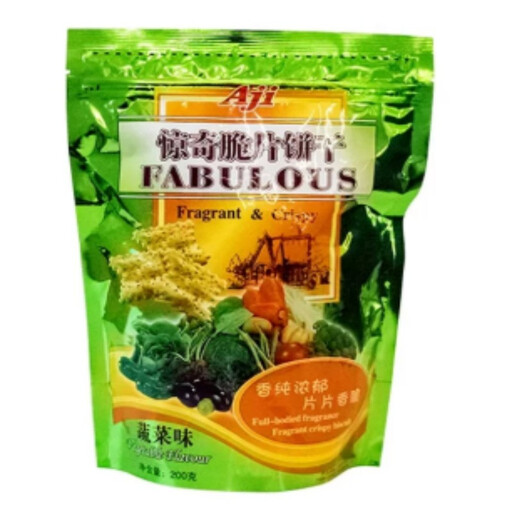
Why this product suits this profile : Its compact format fits easily into a bag, desk drawer or snack box.
The 39 g weight helps you avoid buying a large pack when you only want an individual portion.
Biscuit sticks partially coated in chocolate, with South Korea indicated as the origin; allergens include wheat, milk, soya and egg.
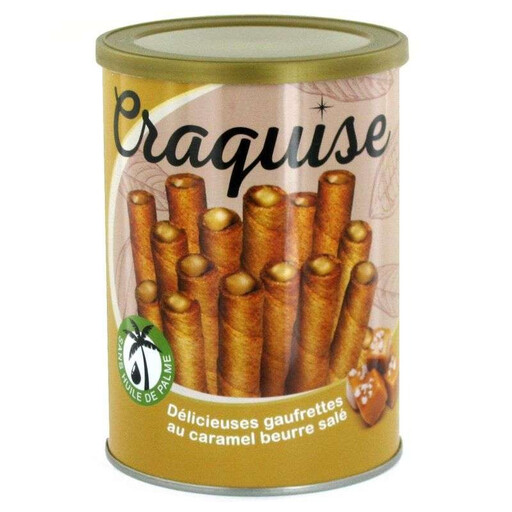
Why this product suits this profile : The metal tin is ideal for sharing at an afternoon tea, serving to guests or giving as a gourmet gift.
The large format avoids the need for multiple individual bags ; however, the tin should be kept tightly closed after opening to limit moisture.
Filled wafers, made in France, with 400 g of product and 0.7 g of salt per 100 g.
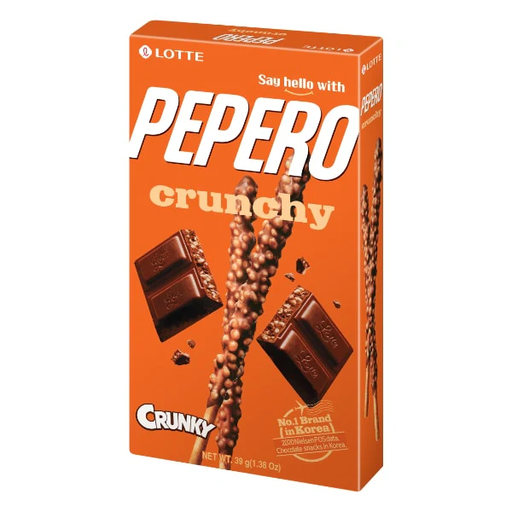
Why this product suits this profile : Its compact format fits easily into a bag, desk drawer or snack box.
The 39 g weight helps you avoid buying a large pack when you simply want an individual portion.
Biscuit sticks partially coated in chocolate, with South Korea indicated as the origin; allergens include wheat, milk, soya and egg.
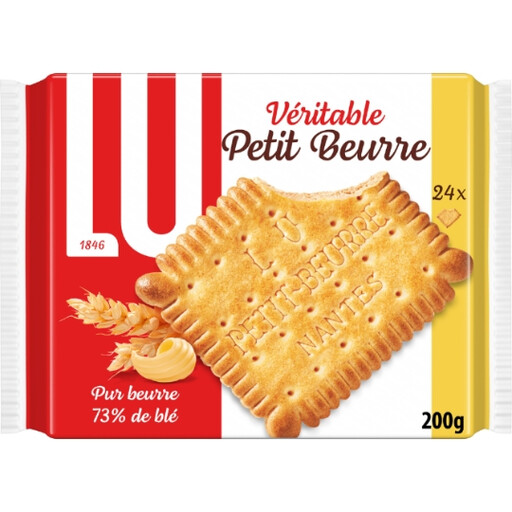
Why this product suits this profile : A familiar French classic, perfect with a hot drink or for sharing at teatime.
The 200 g pack offers a medium-sized format that is easier to manage in a household than a very large box.
A recipe made with butter, wheat flour and milk powder, containing 1.4 g of salt per 100 g.
We have put together a complete selection, updated in real time, of products that meet these strict selection criteria and European safety requirements.
Close the pack carefully or transfer the biscuits to an airtight container. Store them in a dry place away from heat and direct sunlight. Individual portions are particularly convenient when a pack needs to remain open for several days.
No. It all depends on the recipe. Some snacks focus on chilli, onion or bold seasonings, while others are sweet or only mildly seasoned. To choose according to your tastes, compare the “salt” line in the nutrition table with the ingredients list.
A 100 to 250 g pack is generally suitable for occasional tasting. For a longer aperitif or several guests, assortments, packs of four bags and 400 g boxes are easier to share. Before stocking up on several products, however, check their best-before dates and storage conditions.