
Livraison le jour même ou le lendemain

Qualité garantie

Débloquez vos offres de bienvenue: Livraison GRATUITE | Jusqu'à -80 % | 30 jours d'essai gratuits à JoyPlus
Téléchargez l'application
Buying Asian food products and sports supplements online allows you to vary your meals, prepare a Japanese ramen quickly or support a sports nutrition routine. However, you need to know how to read packaging and product listings, which do not always give you the full picture of what you are buying.
In France, three mistakes come up time and again:
For ramen, compare the information for the portion you actually consume, rather than looking only at the figures per 100 g. Some Higashimaru products, for example, distinguish between the salt content of the noodles and that of the broth. This is useful for understanding what the complete seasoning actually contributes.
Depending on the recipe, tonkotsu, miso or soy sauce ramen can show significantly different calorie, fat and salt values. One serving of Hakata Tonkotsu Ramen, for example, contains 4,9 g of salt per 100 g, compared with 5,5 g per 100 g for Tokyo soy sauce ramen. These figures are not medical advice, of course: they are primarily intended to help you compare products and adjust how often you eat them.
Wheat, soya, milk, fish, egg and sesame are widely used in Asian specialities. Japanese miso soup can therefore contain soya, fish and gluten, as is the case with Hikari Enjuku wakame miso soup. Japanese instant noodles also often contain wheat and soya, even when they are presented as plant-based.
When it comes to supplements, whey protein comes from milk and may also contain soya lecithin. If you have an allergy or intolerance, refer to the full list printed on the packaging you receive. The statement ‘may contain traces of’ also indicates a risk of cross-contamination at the manufacturing site.
A refrigerated Asian mango dessert does not keep in the same way as a dry product. COCON Mango Pudding with Nata de Coco 480 g must be kept in the fridge and consumed soon after opening. Dry ramen and mushroom assortments, on the other hand, should be stored in a cool, dry place away from light.
For a supplement intended for sports use, check the net weight, number of servings and whether a scoop is included. Whey is available in smaller sizes for trying a flavour, as well as larger bags for regular consumption. In all cases, do not exceed the dose recommended by the manufacturer. A food supplement is not a substitute for a varied diet or a balanced lifestyle.
The products below meet different needs: an individual meal, family consumption, regular training or sharing with friends. The features mentioned correspond to the information available on the product listings.
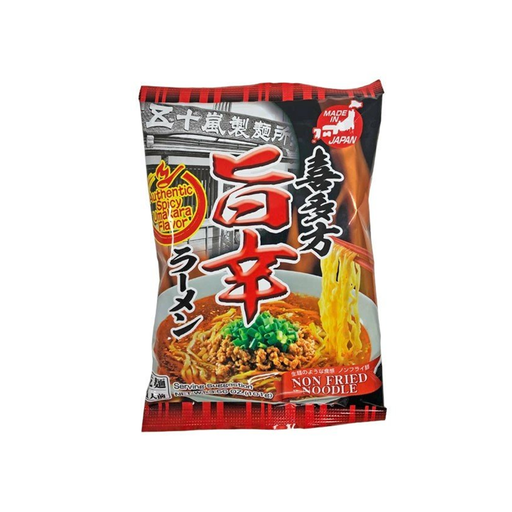
Why this choice suits this profile : The individual serving lets you try a spicy ramen inspired by Japanese cuisine without being left with a large surplus. It is particularly well suited to a quick meal at home or in the office.
The product listing mentions wheat and soya, as well as 5,3 g of salt per 100 g. This helps you look beyond the simple promise of a spicy or authentic ramen.
A product presented as plant-based and made in Japan, providing 289 kcal and 9,9 g of protein per 100 g.
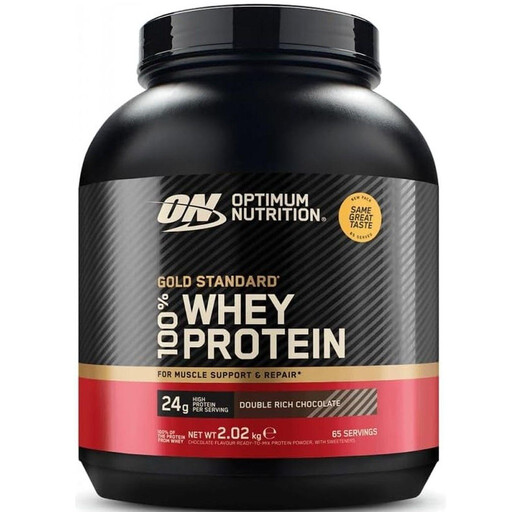
Why this choice suits this profile : At 2,02 kg with 65 servings advertised, this size is aimed at active adults who regularly consume protein powder after training or between meals.
A 30 g serving provides 24 g of protein, and the formula indicates the presence of milk and soya. The maximum stated intake is three servings per day.
A blend of whey isolate, concentrate and hydrolysate, providing 24 g of protein and 5,5 g of naturally occurring BCAAs per serving.
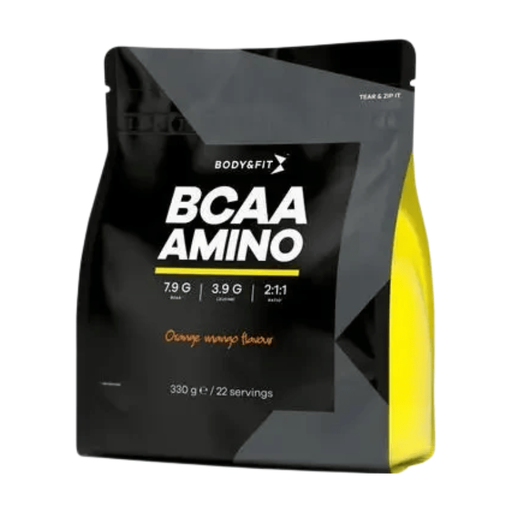
Why this choice suits this profile : This BCAA powder is mixed using a 15 g scoop with 250 ml of water. According to the manufacturer's recommendations, it can be consumed before, during or after training.
The label states 8 g of BCAAs per serving, in a 2:1:1 ratio, and reminds you not to exceed the recommended dose. This product is not a substitute for a varied diet.
A 330 g size advertised as providing 22 servings, with a formula presented as suitable for vegetarians and vegans.
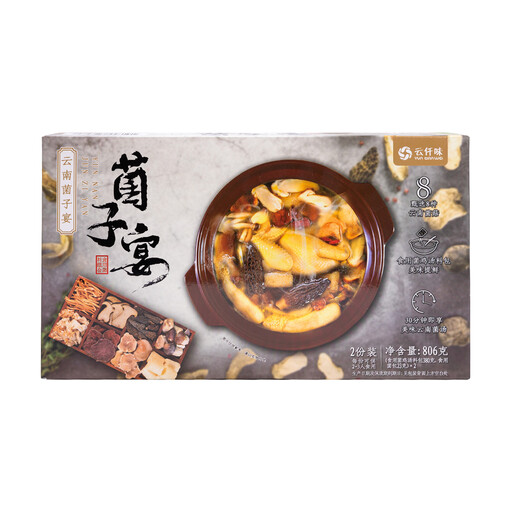
Why this choice suits this profile : This set contains two servings and lets you quickly prepare a mushroom soup or hot pot featuring Yunnan mushrooms. It is ideal for a shared dinner or a planned cooking session at the weekend.
The listing details the eight mushroom varieties, the allergens in the broth and the two cooking methods. The quick preparation requires 1 600 ml of water and around 30 minutes.
An assortment including morel mushrooms, black bolete mushrooms and shiitake mushrooms, accompanied by a separate seasoning broth.
To broaden your options, you can pair these products with Japanese miso soup from Hikari Enjuku Wakame, Japanese AGF milk tea or a soft drink such as Crodino. Mango and nata de coco pudding is a ready-to-eat option, but it contains milk and must be kept in the fridge.
For protein intended to support muscle recovery, different whey products generally state the amount of protein provided per serving. Compare isolate, concentrate and hydrolysed versions, then consider your tolerance to milk, flavour preferences and the number of servings offered. BCAAs can complement a sports nutrition routine, but they do not replace meals and are no reason to exceed the stated dose.
We have put together a complete, real-time-updated selection of products that meet these strict criteria, as well as European safety requirements.
They can certainly be a convenient option for a quick meal, provided you keep an eye on the amount of salt in the broth and vary the accompaniments. Adding vegetables, an egg or a source of protein can make the meal more balanced, without changing the nutritional values stated on the ramen packaging itself.
Whey protein is a milk-based protein powder that provides a measurable amount of protein per serving. BCAAs are three amino acids: leucine, isoleucine and valine. These products therefore have different compositions and different nutritional roles. Read the label carefully and ask a healthcare professional for advice if you are taking medication, are pregnant or have a medical condition.
Dry products should be sealed carefully, then stored in a cool, dry place away from light. Refrigerated desserts, such as Asian mango pudding, should be consumed soon after opening. In all cases, the best-before date and the instructions printed on the packaging you receive should be followed.