
Livraison le jour même ou le lendemain

Qualité garantie

Débloquez vos offres de bienvenue: Livraison GRATUITE | Jusqu'à -80 % | 30 jours d'essai gratuits à JoyPlus
Téléchargez l'application
Buying Asian food products online lets you discover Chinese, Japanese, Vietnamese and Thai specialities without having to travel from shop to shop. But with eye-catching packaging and often overly enthusiastic descriptions, it’s not always easy to make the right choice. Frozen Asian meals, dim sum, snacks or frozen tropical fruit – a few simple checks are all it takes to avoid unpleasant surprises.
A tempting photo doesn’t necessarily tell you how much prawn, fish, fruit or pastry the product actually contains. To compare two options, check the ingredient list and, where available, the quantitative ingredient declaration. A recipe described as packed with seafood can have very different proportions from one product to the next.
Frozen Asian meals generally need to be stored at –18 °C or below. Check the storage conditions on the product page and plan to put them in your freezer as soon as they arrive. A product that has thawed must not be refrozen, unless the labelling specifically says otherwise.
Frozen Chinese dumplings, seafood gyoza and prawn steamed buns may contain crustaceans, fish, soya, sesame, wheat or molluscs. Check the product page before ordering, especially if you’re cooking for the family. Also look at whether the product needs to be steamed, pan-fried, boiled or simply reheated.
Just because an ingredient appears in the product name doesn’t mean it makes up the bulk of the recipe. Some products might advertise 25 %, 28 % or 32 % prawn, while others combine prawn, fish, squid and vegetables. The net weight also helps you estimate the number of portions: a 500 g bag works well for a starter or as a side dish, whereas a 1 kg pack is better suited to a family or regular use.
For snacks, Chinese dried fruit and products like lavashak, compare the sugar content and portion size. A nutritional label can show a high amount of carbohydrates and sugars, even when the product is marketed as a fruit-based speciality.
A small pack size reduces waste when you’re trying something for the first time. The family-size format becomes more worthwhile if you regularly prepare dim sum or appetisers. For Asian desserts, such as individual durian ice cream portions, separate packaging makes serving easier and means you don’t have to open a large tub.
Always follow the storage instructions, the best-before date and any guidance for after opening. For non-frozen products, an airtight seal and a dry place help preserve the texture, especially for fruit strips and chewy confectionery.
Not all pre-cooked and frozen products need the same equipment. Steamed buns require a steamer basket or a suitable appliance, while gyoza can be pan-fried, steamed or boiled, depending on the instructions. Ready-to-eat products are more convenient for a quick bite, with no extra preparation needed.
If you’re looking for Asian food online, pairing one item that needs steaming with another that’s pan-fried and a ready-to-eat snack lets you vary your meals without buying only products that require the same equipment.
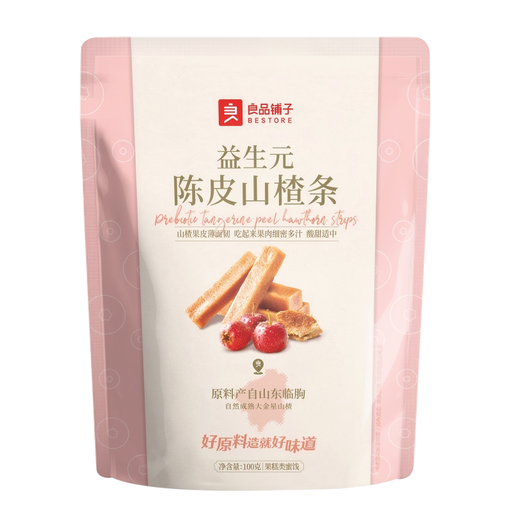
Why this choice suits this profile: At 100 g, this soft Chinese snack lets you give it a try without building up a stock. It’s ready to eat and keeps in a cool, dry place.
The ingredients list shows 55 % hawthorn and 8 % dried tangerine peel, so you can check the actual contents rather than relying on the picture alone.
A 100 g pack, a soft texture and a detailed ingredient list. The product is ready to eat.
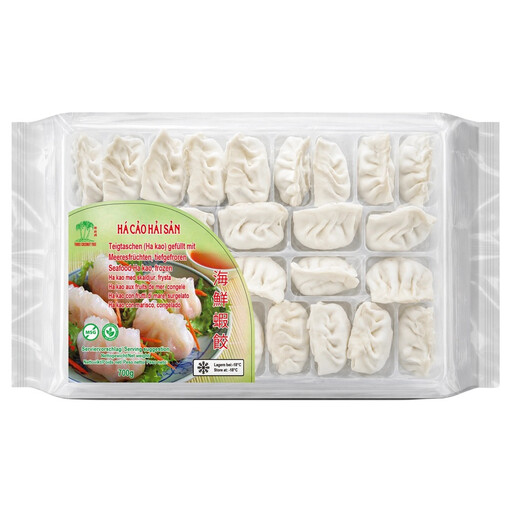
Why this choice suits this profile: This frozen dim sum speciality works equally well for a sociable meal or a homemade steamed selection. Its filling combines prawn, squid and fish.
The product page specifies the proportions of prawn, squid and fish, as well as the allergens. It also states that the preparation method is steaming.
A 700 g pack, a pre-cooked and frozen product, with 32 % prawn, 15 % squid and 10 % fish paste, according to the product page.
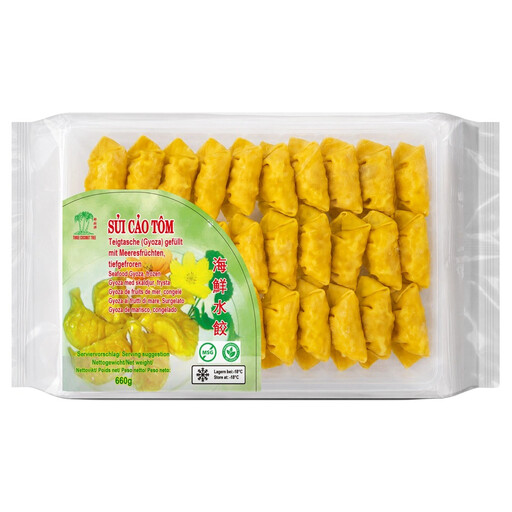
Why this choice suits this profile: Fans of frozen Chinese dumplings and seafood gyoza have several cooking methods to choose from, making the product suitable for both a main meal and a starter.
The product page doesn’t just say ‘seafood’ – it details the presence of 28 % fish paste and 12 % prawn, as well as wheat, soya and sesame.
A 1 kg pack, a pre-cooked and frozen product, which can be pan-fried, steamed or boiled.
For a starter, TCT Spring Roll Stick With Shrimp 500 g crispy pastry sticks can accompany steamed buns. They contain 30 % prawn and just need reheating after pre-cooking. The presence of crustaceans, fish and soya is stated.
For dessert, the Bamboo Tree Durian Ice Lolly comes as four individual 60 g ice lollies. Thanks to its single-serving format, it fits easily among Asian desserts. For homemade preparations, TCT Chanh Day 500 g passion fruit is sold frozen, with pulp and seeds – ideal for adding to yoghurt, ice cream or a dessert.
Fans of Chinese dried fruit and lavashak can also compare O’Say formats: the Popping Blueberry Hawthorn Lavashak 105 g combines hawthorn with a blueberry filling, while the Red Date Hawthorn Burgerlavashak 150 g blends hawthorn and jujube paste. It’s worth checking the ingredients carefully, especially for the presence of sugar, syrup or additives.
We’ve put together a complete, real-time list of products that fully meet these strict selection criteria and European safety regulations.
Place them in the freezer at –18 °C or below, following the instructions on the label. Avoid refreezing a product that has thawed, and check the specific guidance for each item.
The shelf life depends on the product and its packaging. For soft snacks, reseal the bag carefully and eat them promptly to maintain their texture. The date on the packaging applies to the unopened product stored under the recommended conditions.
A 700 g to 1 kg pack can serve several people, provided you have the right equipment. Gyoza, siu mai, ha kao and other frozen dim sum let you vary the cooking methods and fillings, but do check their allergens before ordering.