
Livraison le jour même ou le lendemain

Qualité garantie

Débloquez vos offres de bienvenue: Livraison GRATUITE | Jusqu'à -80 % | 30 jours d'essai gratuits à JoyPlus
Téléchargez l'application
Korean kimchi, wakame salad, frozen Asian vegetables or ready-to-eat dishes: the products available online make it easy to vary your meals without having to visit specialist shops. However, you need to look beyond tempting photos and appealing names to choose products that genuinely suit your habits.
When buying Asian food products, certain mistakes are particularly common:
Before filling your basket, start by clearly identifying the product category:
Also check how soon the product should be eaten after opening. Tinned or jarred Korean kimchi is convenient to store, but it often needs to be refrigerated and eaten soon after opening.
The ingredients list allows you to compare recipes based on clear, factual information rather than relying solely on marketing claims. For a seaweed salad, check in particular for:
Vegetarians should also check the composition of sauces and stocks. A product made mainly from vegetables may contain fish sauce, chicken stock or other ingredients of marine origin. Check the allergens both on the product page and on the packaging before serving.
A 100 to 200 g pack is generally suitable for an individual side dish, a quick lunch or a mixed bowl. Packs of 400 to 800 g are more suited to families, preparing several meals or catering professionals.
To prepare and organise ingredients, stackable kitchen prep bowls can also make portioning, storage and serving easier. A 304 stainless steel model can be suitable for both hot and cold preparations, provided you follow the manufacturer’s recommendations — including the instruction not to use it in a microwave.
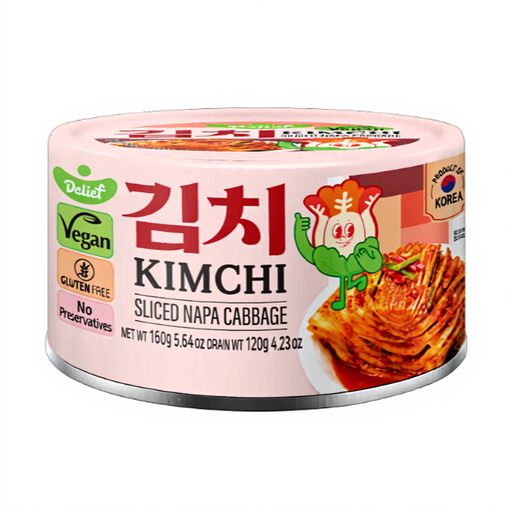
Why this choice suits this profile: At 160 g, this size lets you try Korean kimchi without investing in a large jar. Enjoy it with rice, in soup or stirred straight into a stir-fry.
The tin recommends storing it in a cool, dry place before opening. Once opened, the product must be refrigerated and eaten within the following few days.
A 160 g portion of sliced Chinese cabbage with a crisp texture, which works equally well as a side dish or an ingredient.
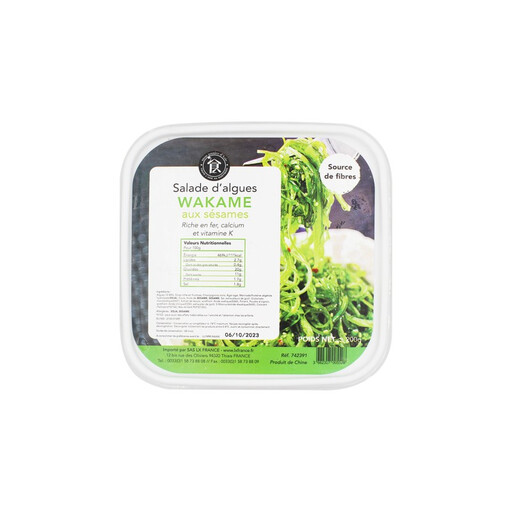
Why this choice suits this profile: Ready to eat, this wakame salad is an easy addition to a Japanese menu, buffet or bowl of rice and vegetables.
The product page recommends refrigeration between 0 and 4 °C and highlights soya, wheat, sesame and fish among the allergens.
A 200 g pack of crisp wakame, with a ready-seasoned sauce and toasted sesame seeds.
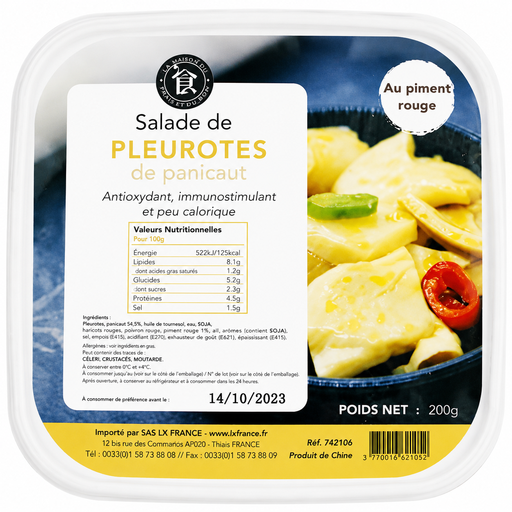
Why this choice suits this profile: This Asian mushroom-based preparation is ideal for quick meals, buffets and anyone who likes to keep several side dishes ready in the freezer.
The product page recommends fully defrosting it between 0 and 4 °C, prohibits refreezing and requires it to be eaten immediately after defrosting.
A recipe made with 82.51 % king oyster mushrooms, chilli oil, soya sauce and sesame seeds, in a 200 g pack.
We’ve brought together a comprehensive, real-time updated selection of products that meet these demanding criteria, as well as European food safety requirements.
For a quick weekday meal, pair a wakame or mushroom salad with rice, noodles and a vegetable. Kimchi can be served on the side or added in small amounts to a stir-fry. Frozen vegetable mixes, such as HÜNKAR Spring Vegetable Dish 800 g, let you prepare several side dishes while keeping control of the seasoning.
To save time, divide the ingredients between several bowls before you start cooking. The PURECOOK 304 stainless steel set includes four stackable sizes, from 19 to 28 cm, and is dishwasher safe. It must not be used in a microwave. The manufacturer also recommends avoiding prolonged contact with very salty or acidic preparations.
Place it in the fridge and follow the storage period shown on the packaging. Some products sold in tins or jars should be eaten within a few days of opening. To reduce the risk of contamination, always use a clean utensil.
Some products can be eaten straight after opening, while frozen versions must be defrosted according to the manufacturer’s instructions. Check the storage temperature, use-by date and allergen list, particularly for sesame, soya, wheat and fish.
Yes, provided you have a freezer capable of maintaining a temperature of −18 °C or below and plan for the necessary defrosting or cooking. Sizes from 450 to 800 g are better suited to family meals, while 100 to 200 g portions are more suitable for individual side dishes.