
Livraison le jour même ou le lendemain

Qualité garantie

Débloquez vos offres de bienvenue: Livraison GRATUITE | Jusqu'à -80 % | 30 jours d'essai gratuits à JoyPlus
Téléchargez l'application
Buying Asian food products online makes it easier to prepare Japanese, Korean, Thai, Vietnamese or Chinese recipes. However, it can be difficult to choose between the many options available: an attractive photo or the word “authentic” does not necessarily guarantee that a product is right for you.
Before filling your Asian grocery basket, there are three pitfalls to avoid.
Start by considering how you intend to use the product: a quick lunch at work, family cooking, a snack to take with you or regular supplies for catering. Formats of 70 to 125 g are generally suitable for one serving. Packets of 400 to 500 g offer better value for recipes prepared regularly, such as spring rolls, soups or rice noodle dishes.
Also check the storage temperature. Some foods can be kept at room temperature, while Freshasia onigiri must be stored between 0 and 4 °C. Frozen products, such as Kimchi Onigiri, must be kept at −18 °C or below and must never be refrozen after thawing.
It is better to read the ingredients list than to rely solely on the product name. A sauce may contain soya, wheat or sesame, while a snack marketed as light may contain a significant amount of sugar or salt.
For people with allergies or intolerances, the highlighted information on the label is essential. MAMA prawn-flavour noodles contain wheat, soya, fish and shellfish. The Bento snack contains fish, shellfish and wheat, and may also contain traces of peanuts. Always check this information on the packaging you receive, as recipes and packaging may change.
Texture has a direct impact on the final result. Rice paper sheets should be rehydrated for a few seconds in lukewarm water before being filled. Thick rice noodles are ideal for soups, stir-fries or phở, while udon offer a softer and particularly substantial texture.
For instant preparations, check the cooking time and the amount of seasoning required. With Japanese curry blocks, you need to add vegetables, meat or a plant-based alternative, as well as water. A tteokbokki kit already contains the rice cakes and seasoning mix, but its allergens should be checked before you start cooking.
The products below cover a range of uses: quick meals, Vietnamese cooking, Japanese specialities and Korean products. The nutritional information and storage conditions correspond to the products shown; always check the label of the item you receive.
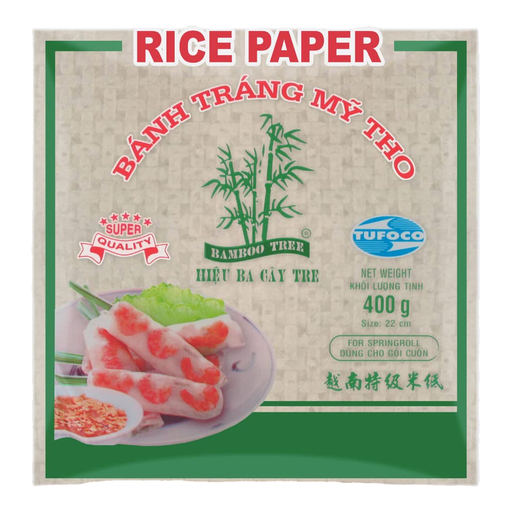
Why this choice suits this profile : With its 22 cm square sheets and 400 g pack size, this packet is a great way to get started with spring rolls and prepare several batches without taking up too much cupboard space.
The instructions specify that the sheets must be rehydrated for a few seconds in lukewarm water, so they cannot be mistaken for a ready-to-use product.
A short ingredients list based on tapioca starch, water, rice and salt; a 400 g pack; no declared allergens.
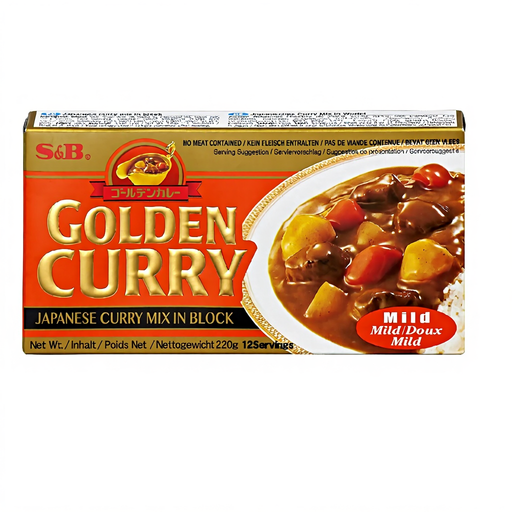
Why this choice suits this profile : This easy-to-portion mix lets you prepare Japanese curry at home, choosing your own meat, vegetables or plant-based alternative to add.
This is not a complete meal: the product information states that you need to add around 500 g of meat and vegetables, as well as 700 ml of water.
A 220 g pack; detailed preparation instructions; a mild recipe according to the product information; no meat included, making it easy to customise the dish.
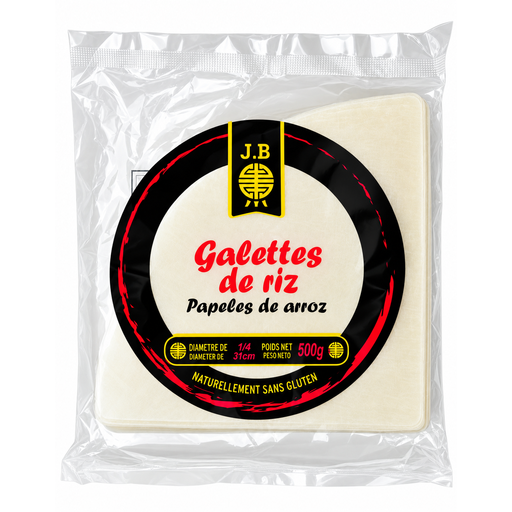
Why this choice suits this profile : With its 500 g pack size and 31 cm diameter, this format is suitable for kitchens that regularly prepare rolls, wraps or Vietnamese specialities.
The diameter and weight are clearly stated, so you can check that the rice papers suit your work surface and the quantity you plan to prepare.
According to the product information, the ingredients contain 47 % tapioca and 40 % rice flour; the product can be stored at room temperature in a dry place; no declared allergens.
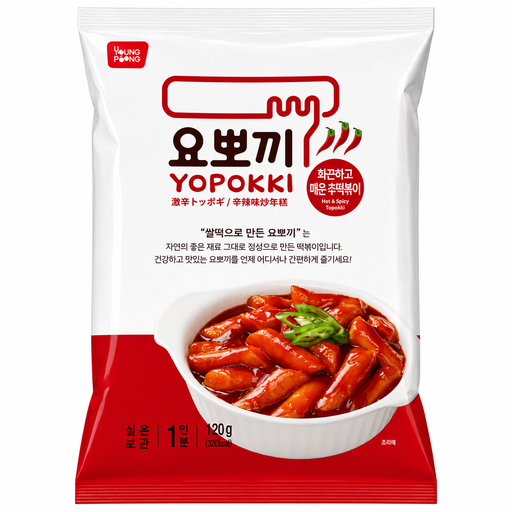
Why this choice suits this profile : This 120 g Korean kit makes it easy to enjoy the spirit of street food at home, whether after lessons or a day at work.
The kit clearly separates the rice cakes from the seasoning; the presence of milk, soya, wheat, tomato, chicken and molluscs is indicated.
Rice cakes made with 99.1 % rice; an individual serving size; preparation designed to achieve the characteristic soft texture of this Korean dish.
We have put together a complete selection, updated in real time, of products that meet these exacting criteria and comply with European safety regulations.
To expand your options, several product categories can be combined in a single order:
It depends on the category. Dry products should be stored in a cool, dry place and carefully resealed after each use. A chilled onigiri should generally be eaten within 24 hours of opening, in accordance with the information provided for that product. For each item, the best-before date and instructions on the packaging should be followed.
They provide a starchy base and seasoning, but their ingredients vary from one recipe to another. For a more balanced and filling meal, add vegetables, an egg or a source of protein, while remembering to take allergens and salt content into account.
Rice paper sheets are rehydrated before being used to wrap a filling. Rice noodles are cooked or rehydrated to accompany soups, salads and stir-fries. The right choice therefore depends on the recipe and the texture you are looking for.