
Livraison le jour même ou le lendemain

Qualité garantie

Débloquez vos offres de bienvenue: Livraison GRATUITE | Jusqu'à -80 % | 30 jours d'essai gratuits à JoyPlus
Téléchargez l'application
Asian fish snacks have plenty going for them: a convenient format, a generous hit of umami and often punchy seasonings. But behind that little packet, the ingredients can vary enormously – whole fish, squid, surimi, sugar, oil, soy sauce or chilli. So if you want to buy a product that genuinely suits your habits, it pays to read the label rather than relying on an appetising picture or a high-protein promise.
Katsuobushi and bonito flakes sometimes turn up in the snack aisle, even though they are primarily intended for cooking. They are used to prepare Japanese dashi stock, to flavour miso soup or to garnish noodles, tofu and rice dishes. Their texture and purpose are completely different from those of dried fish you can eat straight from the pack.
A spicy fish snack can be particularly high in sugar, salt or fat. Some seasoned small fish contain around 3 to 5 g of salt per 100 g, while anchovies preserved in salt can reach much higher levels. The chilli heat alone is not enough to judge a product's composition.
A large bag is not always the most practical choice: a box of individual portions can be much better for eating on the go. Once opened, some products need to be eaten immediately, while others must be kept in the fridge. Frozen anchovies, for their part, must stay at –18 °C or below. Always check the net weight, number of portions and storage instructions on the packaging.
The ingredients list is presented in descending order. A product made with 69 to 70 % anchovies will have a very different profile from a blend based on squid, surimi and flour. If you are after a pronounced sea flavour, go for products that clearly state their fish or shellfish content.
Products like tuna flakes and fish pâtés also show their fish percentage. Petit Navire tuna pâté contains 52 % tuna, while the salmon pâté states 40 % Pacific pink salmon and 12 % tuna. These are seafood spreads for toast, not dry snacks to eat straight with your fingers.
To compare two snacks on an objective basis, look at the values per 100 g:
These figures are not medical advice, of course. They simply help you choose a product that works for a snack, a lunchbox or use in cooking.
Before you buy, check for the possible presence of fish, soya, wheat, gluten, sesame, egg, milk or sulphites. A squid snack may also contain surimi, wheat and flavour enhancers. Katsuobushi, on the other hand, contains fish and sometimes salt, with a relatively short ingredients list depending on the product.
For imported products, rely on the French-language labelling and the storage instructions. The best-before date deserves careful attention, especially for products that need to be kept chilled or frozen.
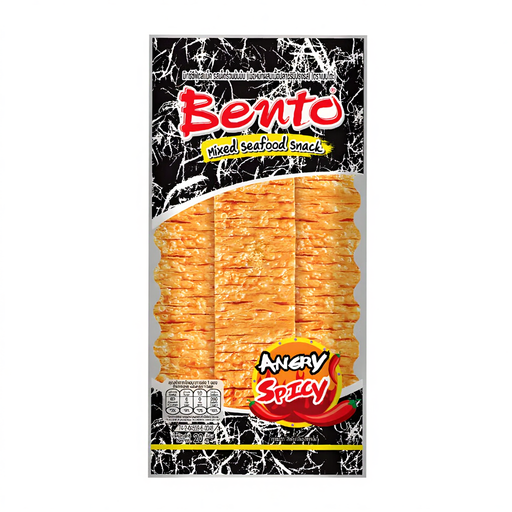
Why this choice suits this profile: Its small size lets you try a spicy snack without having to buy a large bag. It is ready to eat straight after opening.
At 20 g, it reduces the risk of leaving an opened packet lying around. Its ingredients clearly state 40 % squid and 30 % surimi.
A compact size, a chilli flavour and 26 g of protein per 100 g. Please note: contains fish, soya and wheat.
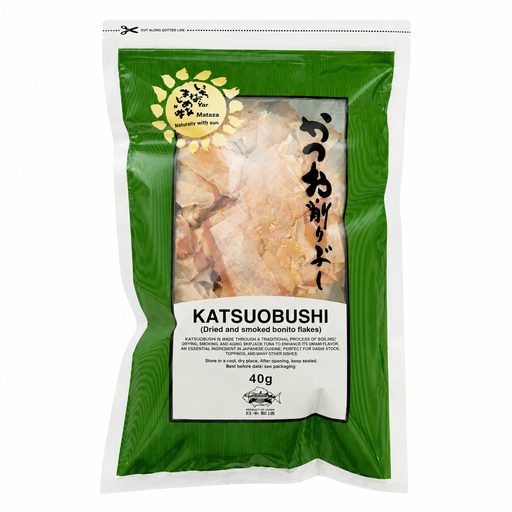
Why this choice suits this profile: Made from 100 % skipjack tuna, this product is aimed at Japanese cooking enthusiasts who want a versatile ingredient rather than a simple snack.
It is not presented as a seasoned snack – its use is clearly culinary, for soups, stocks and toppings.
81 g of protein per 100 g, a smoky aroma and a 40 g bag. Keep refrigerated after opening and consume within 7 days.
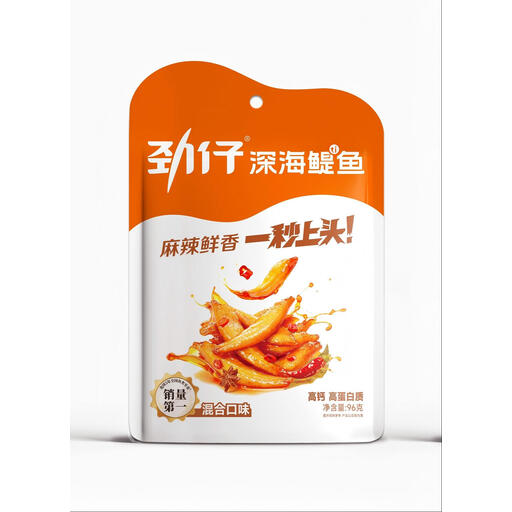
Why this choice suits this profile: Its 12 individual 8 g packets are handy for the office, on the go, in a lunchbox or for sharing.
Individual packaging stops the main bag from being left open. The three recipes and their respective salt content are clearly detailed.
An anchovy content of 69 or 70 %, individual portions and three flavour profiles: spicy, spicy and numbing, or sauce-based.
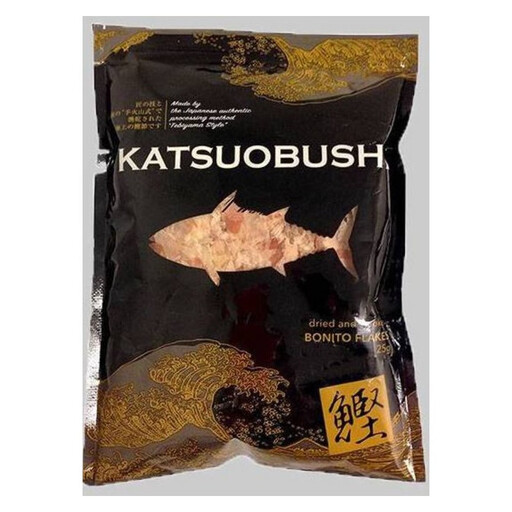
Why this choice suits this profile: Its resealable bag and 25 g size are ideal for regular batches of dashi, takoyaki, okonomiyaki or rice dishes.
The name "katsuobushi" and the stated culinary uses prevent it from being mistaken for a seasoned dried fish snack.
Skipjack bonito, salt, 77.1 g of protein per 100 g and a resealable pack. Contains fish.
We have compiled a complete, real-time selection of products that meet these strict criteria, while complying with European safety regulations.
Tuna pâté and salmon pâté are delicious on toast, in a sandwich or as a snack. Once opened, they must be kept in the fridge and eaten quickly. However, they are not a substitute for a dry snack if you want something easy to take with you.
Salmon cat food belongs to a completely different category. Purina or Ultima kibble presented as complete food is formulated to meet cats' needs according to their age and status. It should not be given as a snack intended for humans. Always check the label and feeding recommendations before changing your pet's diet.
Keep unopened bags in a cool, dry place away from light. After opening, follow the manufacturer's instructions: immediate consumption for some individual formats, refrigeration for bonito flakes, or freezing for frozen anchovies.
Individual portions of 8 to 12 g are particularly practical and limit exposure to air. Jin Zai products in separate packets and the small BENTO formats are better suited to this use than a large bag you have to reseal.
You can eat them as they are as a topping, but their main role is to add a smoky, umami note to dishes. For direct snacking, choose a product explicitly presented as a fish snack, and check its salt content and allergen list.